
Last updated November 24, 2026
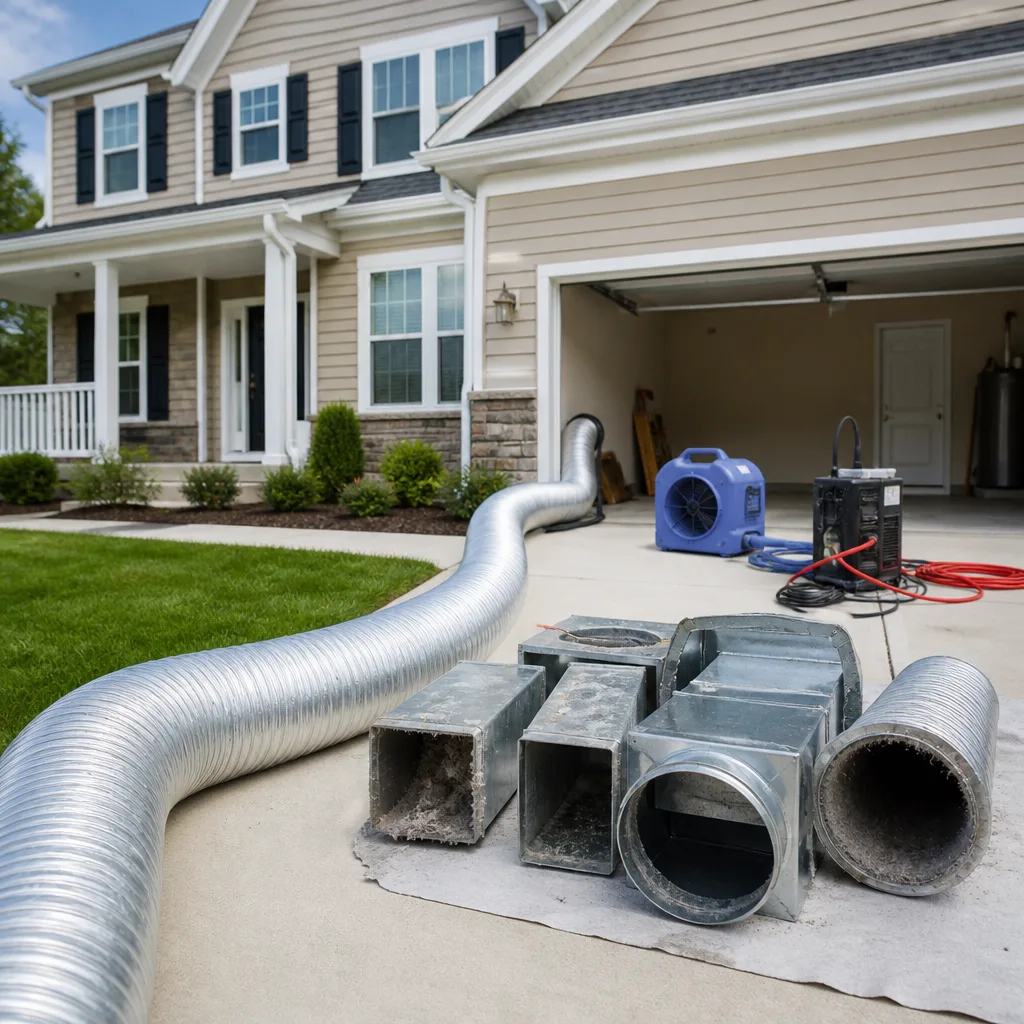 Whole-home duct cleaning
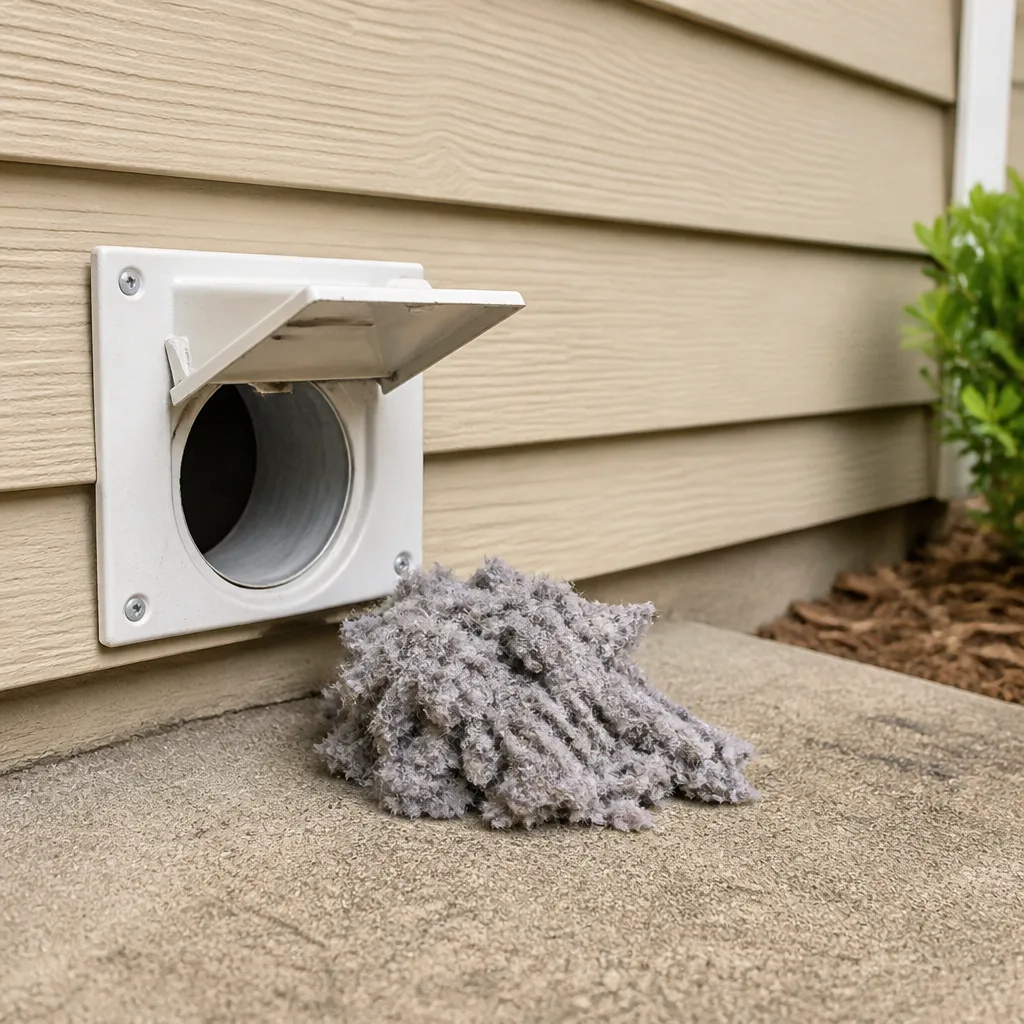 Dryer vent cleaning
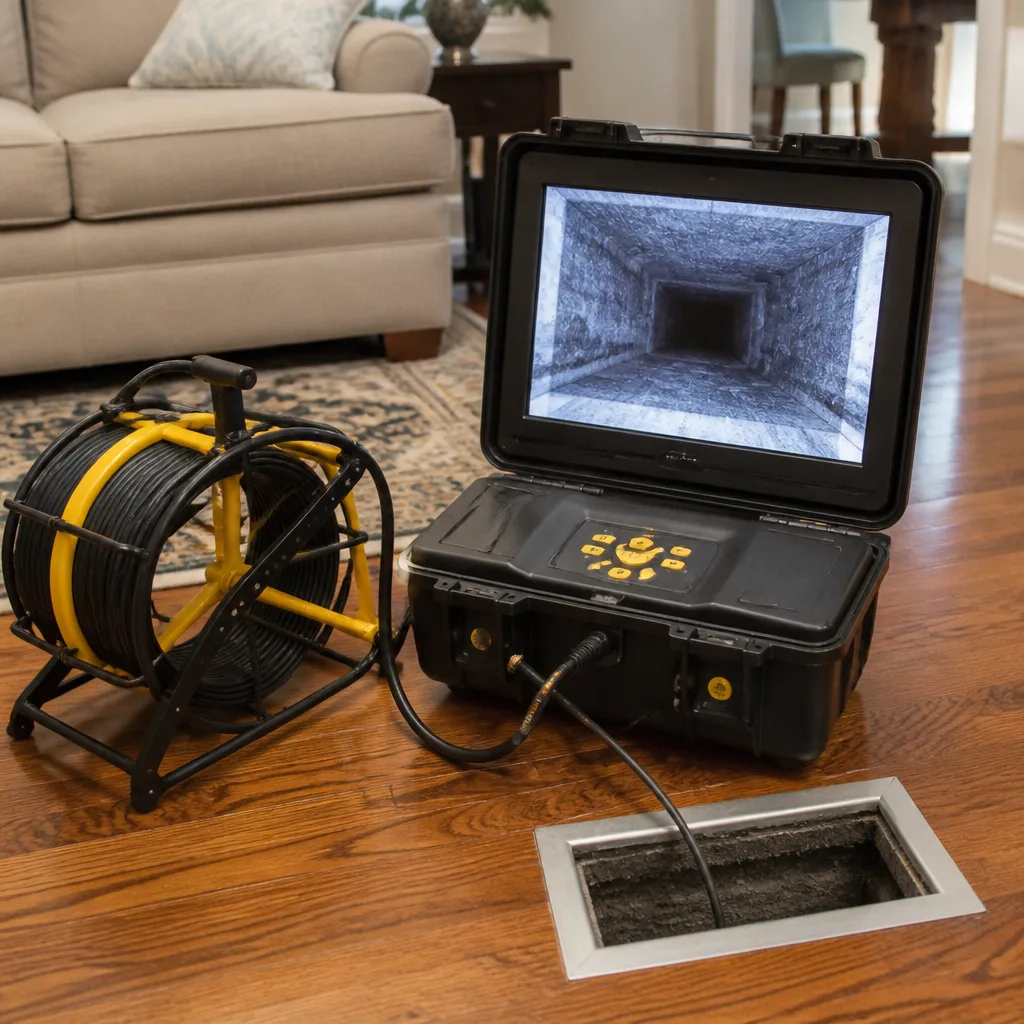 Camera inspection
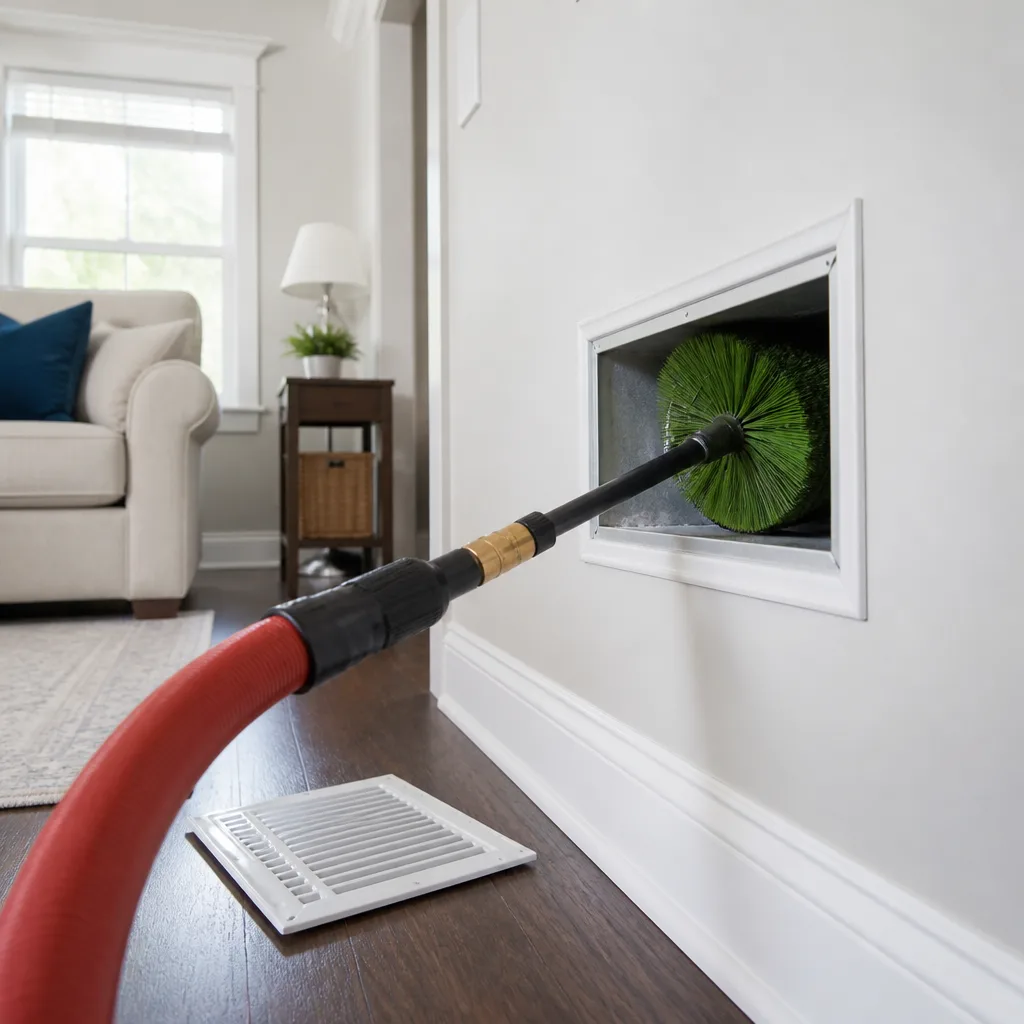 Sanitizing & deodorizing
Whole-system duct and dryer vent check with before-and-after photos - you see exactly what came out of your vents
That "$99 whole-house special" is a bait ad - the real number appears once they are in your hallway, or the "clean" is a shop-vac at the register. We photograph the inside of your ducts before and after instead.
Air Duct Cleaning Emergency Preparedness Guide for Mariners Harbor Homes
Most duct cleaning advice assumes a house that has never been underwater. That assumption is wrong for a lot of Mariners Harbor. After Hurricane Sandy, dozens of homes here were rebuilt around duct systems that had been submerged, and in many of those rebuilds the ducts were dried out and closed back up rather than properly cleaned or replaced. The difference is still showing up in air quality complaints years later. This guide covers the part most companies skip: what to do with your duct system in the hours and days after a flood, a fire, or a remediation event, how to document it for insurance and recovery programs, and how to tell whether a Mariners Harbor home you’re buying ever had this work done.
Quick Answer
After a flood, fire, or remediation event in Mariners Harbor, don’t run your HVAC system until a professional has assessed the ductwork. Water and smoke contamination spreads through ducts within 24 to 48 hours, and running the system pushes that contamination into every room. Call a duct specialist to inspect, document with photos for your insurer, and clean or repair before the system goes back into service. Call (844) 625-7002 for a free estimate.
Styles & brands we work with
- Whole-home duct cleaning
- Dryer vent cleaning
- Camera inspection
- Sanitizing & deodorizing
Table of Contents
- The Post-Flood Duct Protocol for Mariners Harbor Homes
- What Moisture Does Inside Ducts in the First 48 Hours
- Fire and Smoke Damage: Why Ducts Behave Differently Than Walls
- Post-Remediation: Mold, Asbestos, and Lead Paint Work Next Door
- Documenting Duct Damage for Insurance and Recovery Programs
- Buying a Mariners Harbor Home With Flood History: The Duct Inspection
- Why Equipment Determines Whether the Job Actually Works
- Building a Duct Emergency Plan Before the Next Storm
The Post-Flood Duct Protocol for Mariners Harbor Homes
When water enters a home, the duct system becomes one of the most overlooked contaminated zones. It sits low in basements and crawl spaces, it holds moisture, and it connects every room through a single network. Here’s the order of operations we recommend for any Mariners Harbor home that has taken on water.
- Shut the system down. Turn off the HVAC at the thermostat and, if it’s safe to reach, at the breaker. Do not run the fan to “dry things out.” Running the fan moves contaminated air through the entire house.
- Photograph everything before you touch it. Wide shots of each room, close-ups of water lines on ductwork, and any visible debris or staining inside registers. Your insurer will want dates and a clear sequence.
- Get a professional duct assessment. A specialist uses a camera and mechanical agitation equipment to see inside the runs, not just the registers. This is where professional-grade equipment matters, because a shop-vac can’t reach what a rotary brush system can.
- Clean, sanitize, and document what was done. Post-flood duct work usually needs mechanical cleaning, sanitizing compatible with your filtration system, and a written record of the scope. Ask for before-and-after photos of your own ducts.
- Replace what cannot be saved. Flooded flex duct and damaged insulation are commonly replaced rather than cleaned. If a contractor tells you everything is fine after submersion, ask them to show you the camera footage.
This is the single biggest gap we see in Mariners Harbor homes with flood history: the rebuild was handled by general contractors who dried the structure but never had a duct specialist assess the network. If you’re not sure whether your ducts were addressed, an inspection is the only way to know.
What Moisture Does Inside Ducts in the First 48 Hours
Water inside a duct system is a clock. In the first 24 hours, porous materials like fiberglass duct board and flex duct lining soak up moisture and start to lose structural integrity. Between 24 and 48 hours, the conditions inside a damp, dark, poorly ventilated duct are close to ideal for mold growth, especially in the humid summer months that Mariners Harbor gets. By the time a musty smell shows up in the living space, growth has usually been underway for a while.
What that means for homeowners:
- Soft materials are the first to go. Flex duct and duct board that have been submerged typically cannot be cleaned back to a safe condition and should be replaced.
- Sheet metal can often be saved if it’s cleaned and dried promptly and the interior liner is intact. Delay changes that answer.
- Insulation on the outside of ductwork holds water long after the surface feels dry. It needs to be checked, not assumed.
- The air handler and coil sit at the center of the system. If water reached them, the whole system needs assessment before restart.
We use Abatement Technologies air filtration equipment on-site during cleaning to capture dislodged particulates rather than recirculating them back into the home. On a post-flood job, that containment step is not optional. It’s the difference between a clean system and a clean-looking one.
If your home has been through water damage and you’re weighing whether to have the ducts cleaned or replaced, our air duct cleaning Mariners Harbor page walks through the decision. The short version: get the assessment first, then decide.
Fire and Smoke Damage: Why Ducts Behave Differently Than Walls
Smoke residue on a wall is visible, and it gets cleaned because you can see it. Smoke residue inside ductwork is invisible, and it’s often missed. That’s a problem, because smoke particles behave differently in a duct system than soot on a surface.
Combustion produces particles of different sizes. The large ones settle as visible soot. The fine ones stay airborne, and a running HVAC system pulls them into the return side, where they coat the interior of the ducts and the blower. Those fine particles carry the odor compounds that linger for months after a fire, and they can settle into the coil, where they mix with condensation. Standard surface cleaning doesn’t touch any of it.
After a fire, a Mariners Harbor home usually needs three things done in sequence:
- Containment. Negative-pressure filtration in the work area so disturbed particles don’t spread.
- Mechanical cleaning of the full duct network, not just the registers and the main trunk. Smoke travels where air travels.
- Sanitizing and odor treatment compatible with the home’s existing filtration setup. Systems built around Aprilaire or Honeywell components can integrate treatment directly, which is why we stock compatible solutions rather than one-size products.
One thing worth knowing: a standard “duct cleaning” coupon job won’t fix a post-fire system. It lacks the containment, the agitation tools, and the documentation insurers want. When the source is a combustion event, ask specifically what equipment will be on-site before you book.
Post-Remediation: Mold, Asbestos, and Lead Paint Work Next Door
Mariners Harbor has a lot of older housing stock, and remediation of one hazard can create a new one in the ducts if the job isn’t sequenced carefully. The pattern we see most often: mold remediation, asbestos abatement, or lead paint work happens in one part of the house, and the HVAC system keeps running. Fine particles from the remediation zone get pulled into the return and distributed through the whole house.
What to do in each case:
- Mold remediation. Containment in the work zone should be established before any demolition or sanding, and the HVAC should be off or isolated during the work. After remediation, the ducts should be cleaned and assessed for any spores that traveled.
- Asbestos abatement. This work is regulated and should be done by a licensed abatement contractor. Your role is to make sure the ducts are isolated during the job and cleaned afterward by a duct specialist who understands the sequence.
- Lead paint work. Dust from sanding and demolition is the concern. Sealing off returns during the work, then cleaning the system afterward, is the standard approach.
Post-remediation duct cleaning is its own category of work. It’s not the same as routine maintenance, and it’s not the same as post-flood. If you’re in the middle of a remediation project in Mariners Harbor, tell the duct specialist what was done and when. The cleaning scope depends on the answer.
Documenting Duct Damage for Insurance and Recovery Programs
Documentation is where a lot of Mariners Harbor homeowners lose money on duct claims. Insurers and recovery programs need evidence that the system was contaminated and that the work was performed. If you don’t have it, the claim gets denied or reduced, regardless of what actually happened in the ducts.
Here’s what to collect, in order, starting the day of the event:
- Date-stamped photos of the water or smoke line on each affected duct, register, and air handler. Wide shots and close-ups.
- Notes on when the HVAC was shut off and who shut it off. This matters for any moisture or growth claim.
- A written assessment from a duct specialist describing the condition of the system, not just the visible rooms.
- Before-and-after photos of your own ducts from the cleaning contractor. Ask for these at booking so there’s no surprise later.
- Invoices and a written scope of work showing exactly what was cleaned, repaired, or replaced.
On the recovery side, FEMA’s Individual Assistance program and NYC Emergency Management’s recovery resources are the two starting points most Mariners Harbor residents are pointed to after a declared disaster. Both require documentation, and neither will approve a duct-related claim on a verbal description. If you’re not sure what your policy covers for ductwork, call your insurer before booking the work and ask whether they require an independent assessment. We can work with your insurer on the documentation side, but the coverage decision is theirs.
Buying a Mariners Harbor Home With Flood History: The Duct Inspection
If you’re buying a home in Mariners Harbor that was built before the 2010s, there’s a reasonable chance it has flood history. That doesn’t disqualify the house, but it does mean the duct system deserves a closer look than a standard home inspection provides. A general inspector will note the presence of ducts and the age of the air handler. They will not camera the interior of the runs.
Here’s the sequence we recommend for buyers:
- Ask the seller directly whether the home was affected by flooding and, if so, whether the ductwork was cleaned or replaced afterward. Get the answer in writing.
- Request the contractor records from any post-flood rebuild. A quality rebuild will have photos, invoices, and a scope of work. A rebuild lacking these is a yellow flag.
- Book a dedicated duct inspection before closing. A camera inspection of the returns and main trunk will reveal staining, debris, mold growth, or patched flex duct that the home inspection missed.
- Check the air handler and coil for corrosion or organic growth. Submersion leaves traces there even when the ducts look fine.
- Look at the registers. Pull one or two and check for staining or debris that suggests the system ran while contaminated.
A duct inspection is a small cost against the price of a house, and it can surface a five-figure replacement that wasn’t in the seller’s disclosure. If a seller resists having one done, that tells you something too.
Why Equipment Determines Whether the Job Actually Works
After a disaster, duct cleaning is not a “get the dust out” job. It’s a contamination removal job. The tools have to match the problem. This is where most discount cleaning services fall short, and where Mariners Harbor homeowners end up paying twice for the same work.
What to ask about before you book any post-disaster duct job:
- Mechanical agitation. We use Rotobrush rotary brush systems, which are the industry benchmark for dislodging debris from duct walls before extraction. A vacuum alone doesn’t move what’s stuck to the interior.
- Containment and filtration. Abatement Technologies air filtration equipment deployed on-site captures particulates as they’re dislodged. Without it, the cleaning redistributes contamination into the living space.
- Extraction power. Nikro equipment is trusted by disaster restoration professionals for a reason: it pulls material out rather than shuffling it around.
- Post-clean treatment compatibility. Aprilaire and Honeywell-compatible solutions integrate with the filtration system already in the home, so the treatment works with what’s there instead of against it. Guardsman-grade protective treatments are part of our Air Quality & Sanitizing service when the job calls for it.
Our technicians have up to 8 years of experience with these systems, and we handle cleaning, repair, sealing, and sanitizing in one visit. That matters after a disaster, because you don’t want to coordinate three contractors on a house that’s already in pieces. When it comes to the extraction phase, the equipment is the job.
Building a Duct Emergency Plan Before the Next Storm
Mariners Harbor sits in a flood-prone part of Staten Island, and the homes here have been through this before. The best time to plan for the next event is before it happens. A simple duct emergency plan takes an hour to put together and saves days of scrambling.
- Know where your HVAC shutoff is. Thermostat, breaker, and any secondary shutoff. Write it down and keep it with your insurance documents.
- Photograph your ducts now. Closed registers, open registers, air handler, and any exposed trunk line. Date the photos. This becomes your baseline.
- Keep a document folder with your policy number, your insurer’s claims line, and the contact for a duct specialist you trust before the storm.
- Have a call list ready for your insurer, NYC Emergency Management resources, and a duct professional. The demand for post-disaster cleaning in Mariners Harbor spikes hard, and the people who book early get scheduled first.
- Mark your calendar to schedule a duct inspection every couple of years if your home has flood history. Small issues are cheap; post-disaster issues are not.
For property and facility managers overseeing multiple units in the neighborhood, the same plan scales up. A written protocol and a single scheduled visit from one crew handling the full scope saves the coordination headaches that come with piecing together vendors mid-recovery.
Common Mistakes to Avoid
- Running the HVAC to “dry the ducts out.” This spreads contamination through every room. Shut the system down and get it assessed first.
- Skipping the camera inspection. A visual check of the registers tells you almost nothing about the trunk and returns. Demand camera footage.
- Accepting a general “duct cleaning” after a fire. Post-combustion work needs containment, agitation, and sanitizing. A cheap coupon job won’t fix a smoke-contaminated system.
- Failing to photograph before cleanup starts. Insurers won’t pay for duct work they can’t see evidence of. Photograph the water line, the smoke staining, and the registers before anyone touches anything.
- Assuming a rebuild included duct work. Many Mariners Harbor homes were rebuilt around original duct systems. If you don’t have documentation, treat the ducts as unverified.
- Letting remediation happen with the HVAC running. Mold, asbestos, and lead work all produce fine particles. Isolate the returns during the job and clean the system afterward.
- Booking the cheapest quote and expecting a disaster-grade result. The equipment and containment steps that make post-flood or post-fire cleaning work cost real money to run. Ask what’s coming to your house before you book.
See the difference
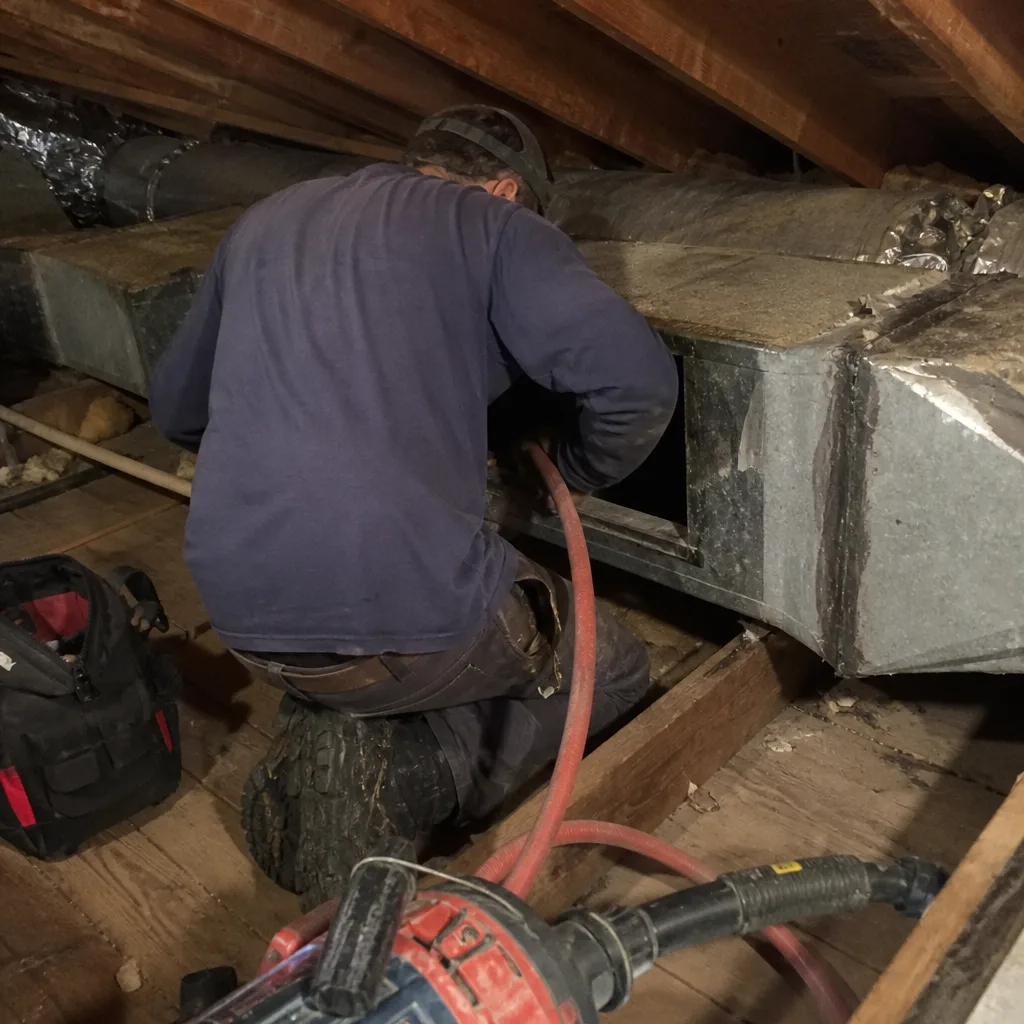 Before
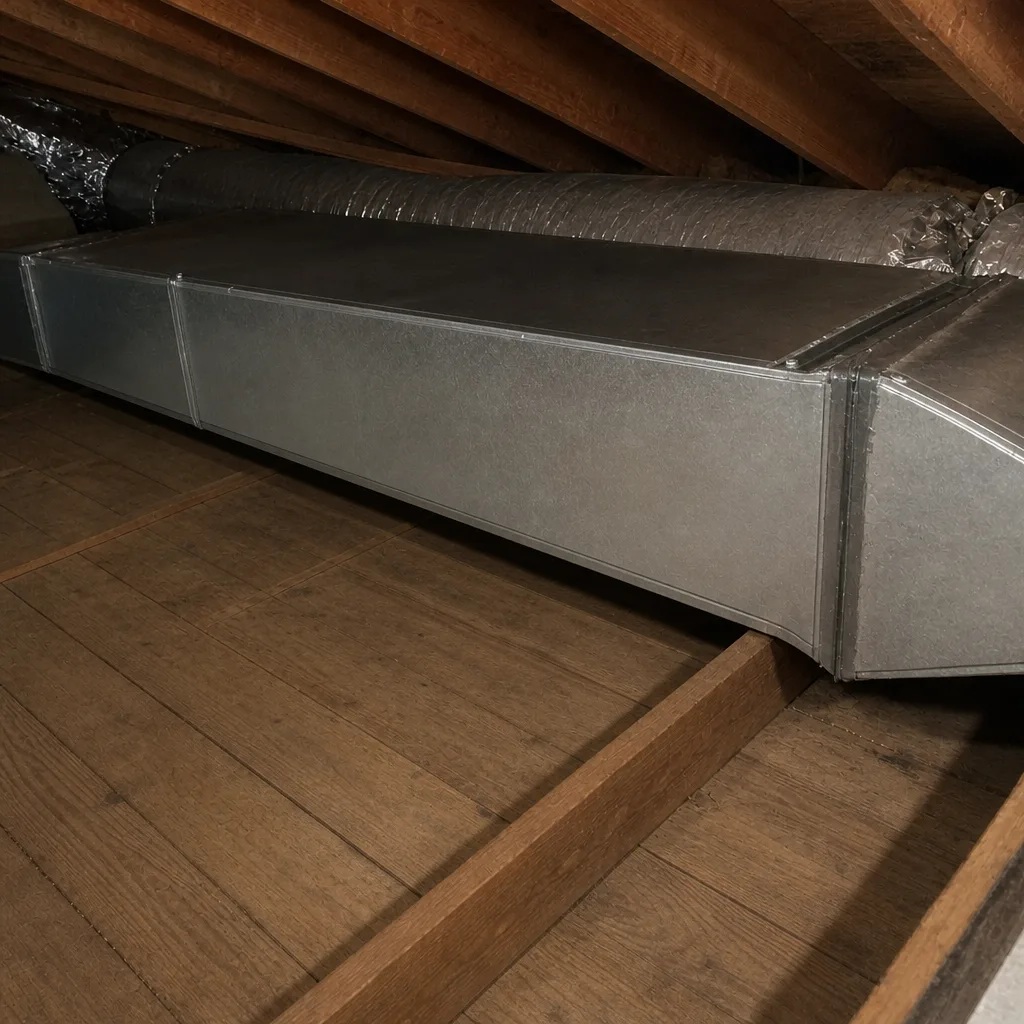 After
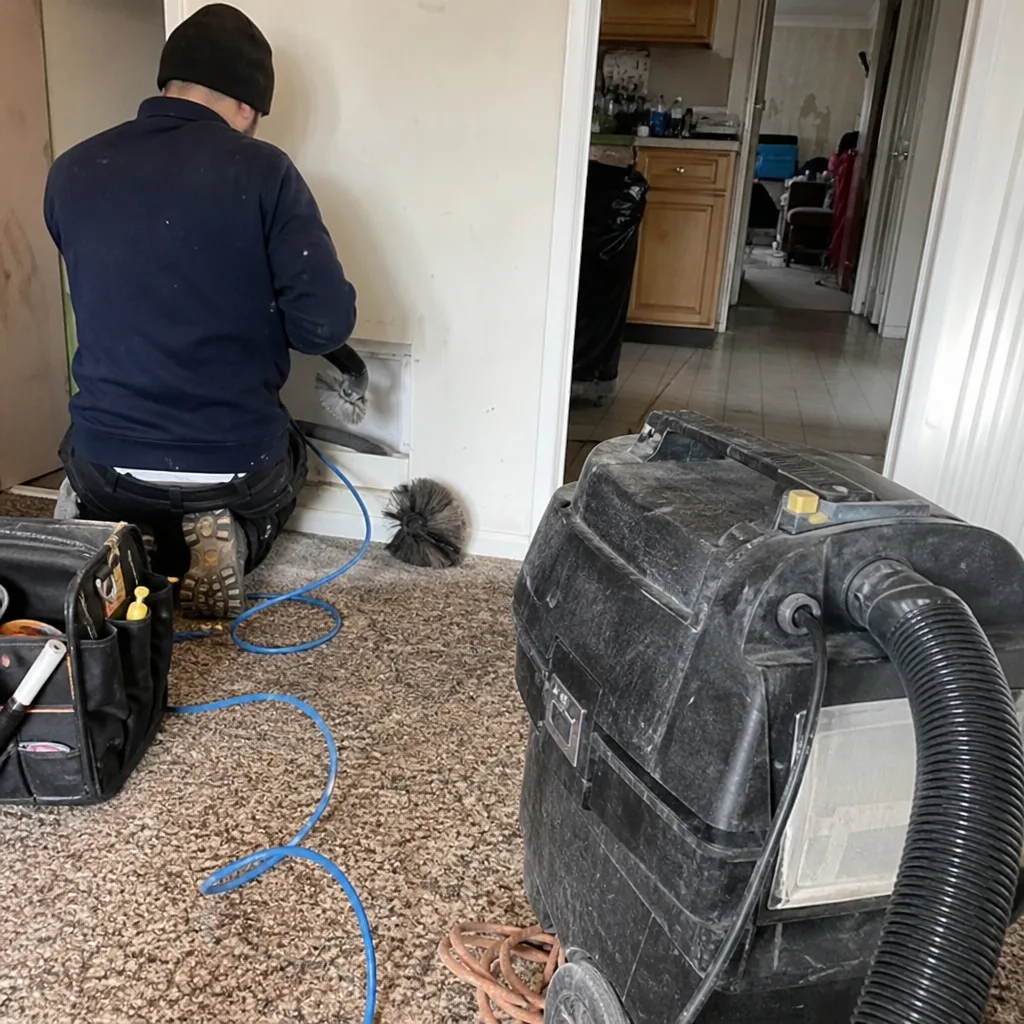 Before
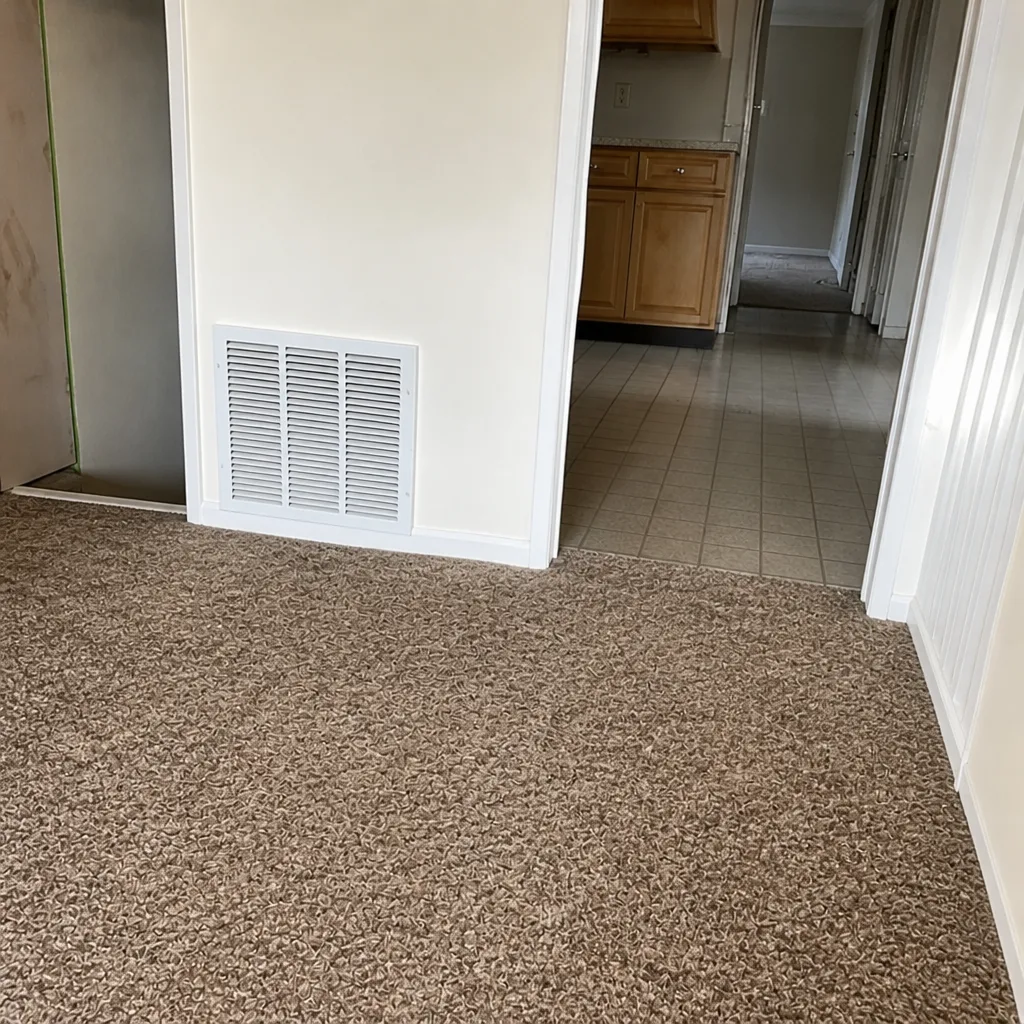 After
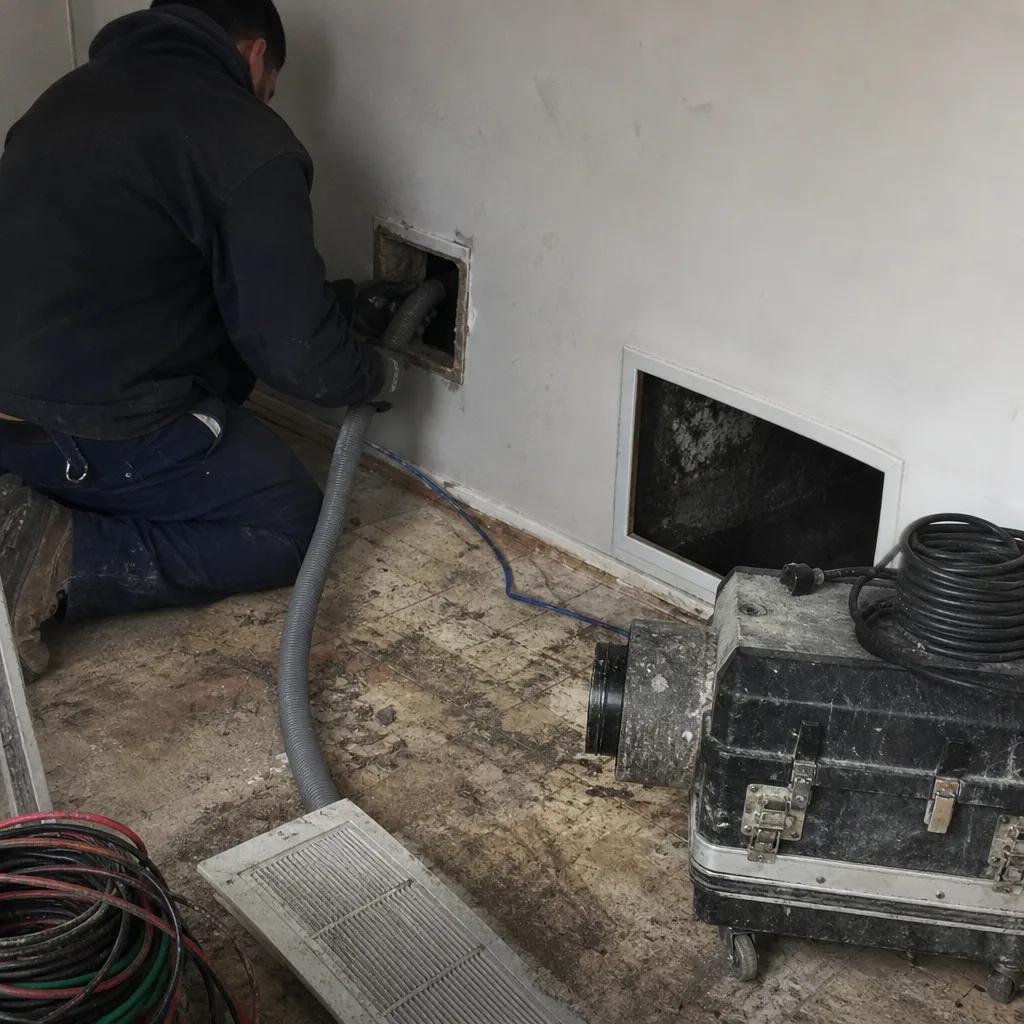 Before
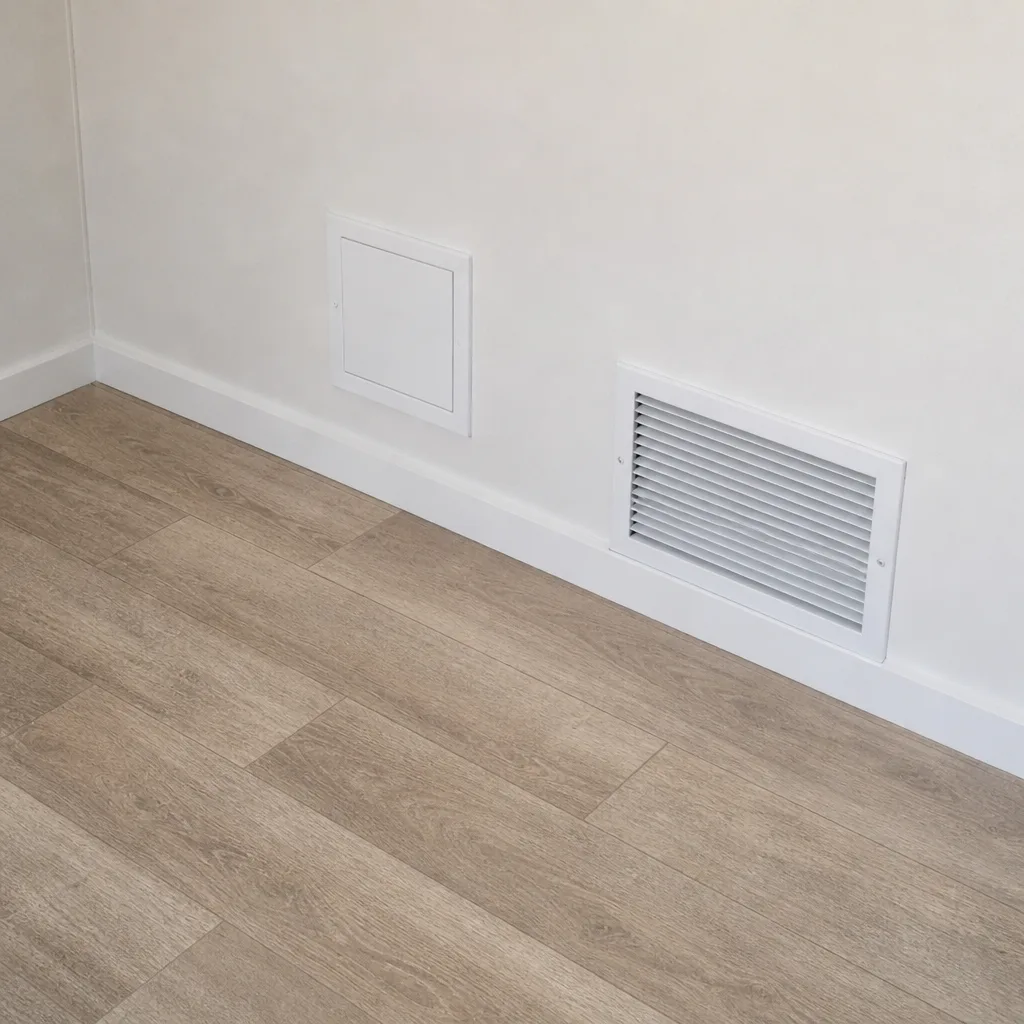 After
When to Call a Professional
Call a duct specialist in any of these situations: your home has taken on water and the HVAC has run since; there’s been a fire or smoke event and the smell lingers; remediation of mold, asbestos, or lead has happened in the home; you’re buying a Mariners Harbor house with flood history and want an inspection; or you’ve noticed visible staining, debris, or musty odor at the registers. Air Duct Cleaning Mariners Harbor offers free estimates in Mariners Harbor. Call (844) 625-7002. We answer 24/7. Fast dispatch from 7am to 7pm, Sunday through Friday. Our technicians have up to 8 years of experience, the local pro is licensed and insured as their state requires, and you’ll get one flat price per system agreed before work starts, backed by before-and-after photos of your own ducts.
Frequently Asked Questions
No. Ducts can look dry on the surface while insulation, flex duct lining, or the air handler still hold moisture, and running the system pushes contaminated air through the whole house. Shut the system down and have it assessed by a professional first. Call (844) 625-7002 for an estimate.
Post-disaster duct cleaning is priced per job based on the extent of contamination, the number of systems, and whether flex duct or insulation needs replacement, so a written estimate is the only honest number. We give one flat price per system agreed before work starts, with no per-vent pricing. Call (844) 625-7002 for a free estimate.
Because they often leave out the parts that make the job work: containment filtration, mechanical agitation, and post-clean sanitizing. A quote that’s dramatically lower than others is usually a surface job, not a contamination job. Ask what equipment and containment steps are included before you compare numbers. Call (844) 625-7002 for an estimate that spells out the scope.
Ask for before-and-after photos of your own ducts and a written scope of work describing what was cleaned, repaired, or replaced. Any contractor unwilling to provide both should not be doing disaster-related duct work. We photograph every job. Call (844) 625-7002 for a free estimate.
It depends on your policy and whether a federal disaster was declared, so you need to ask your insurer directly. What we can do is provide the documentation your insurer will want: a written assessment, dated photos, and invoices for the completed work. Call (844) 625-7002 to schedule the assessment.
Yes. A standard home inspection won’t camera the interior of the duct runs, and flood damage in ducts is often invisible from the registers. A dedicated duct inspection before closing is the only way to know whether a past flood was properly addressed. Call (844) 625-7002 to book one.
The Bottom Line
Mariners Harbor has been through enough flood events that duct contamination is a real part of the housing stock, not a hypothetical. The rules to remember: shut the system down after any water or smoke event, photograph before anything gets cleaned, insist on a professional assessment with camera footage, and keep the documentation your insurer will need. If you’re buying a home with flood history, book a duct inspection before closing. And when the work does get done, ask what equipment is coming to the house, because containment and mechanical agitation are the difference between cleaning and covering up. Call (844) 625-7002. We answer 24/7. Fast dispatch from 7am to 7pm, Sunday through Friday.
Written by the team at Air Duct Cleaning Mariners Harbor.