
Last updated November 24, 2026
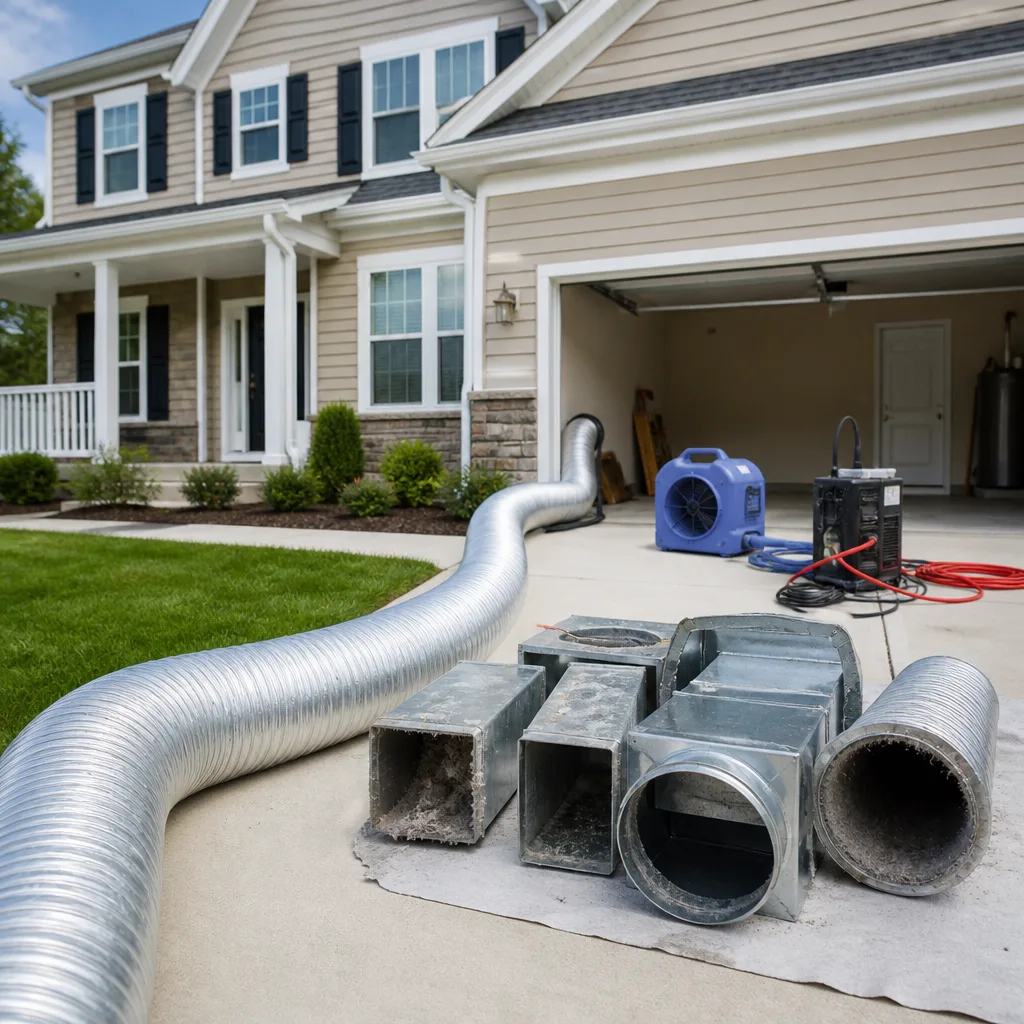 Whole-home duct cleaning
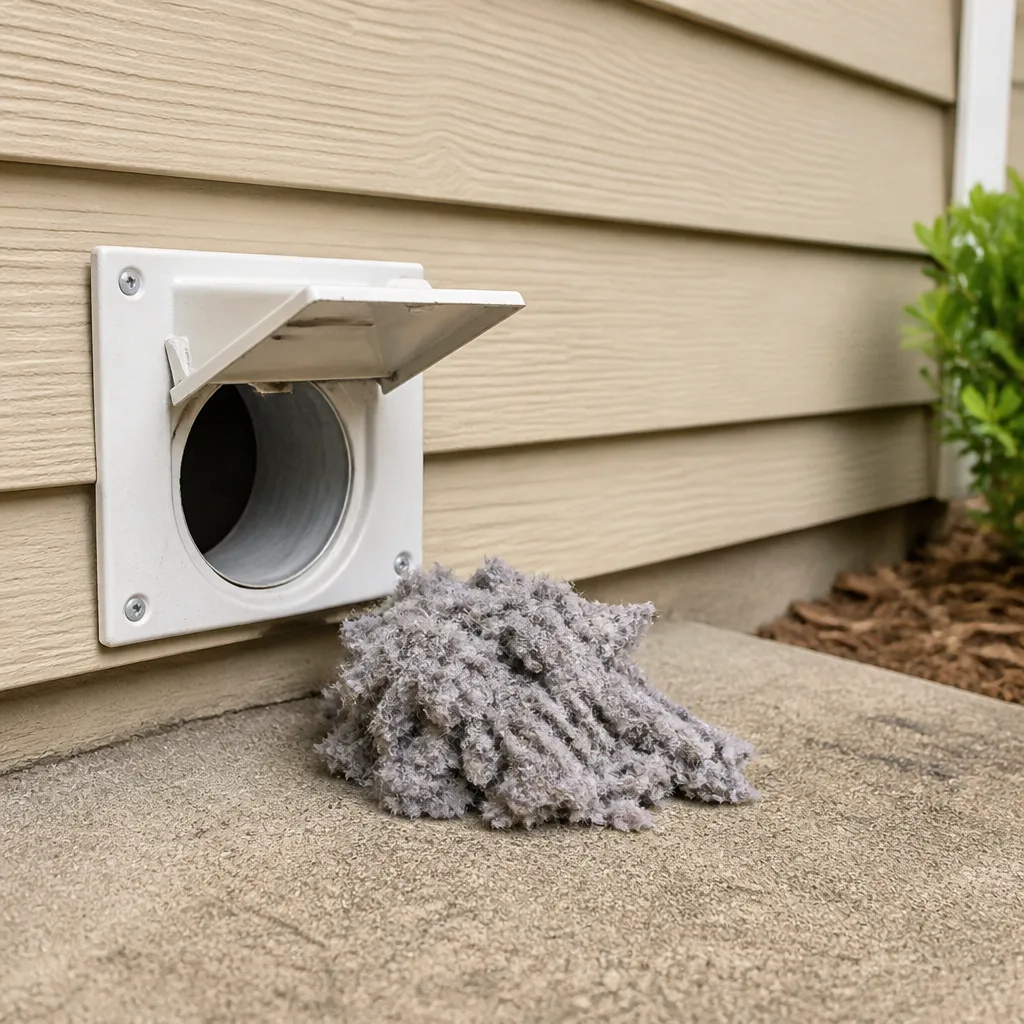 Dryer vent cleaning
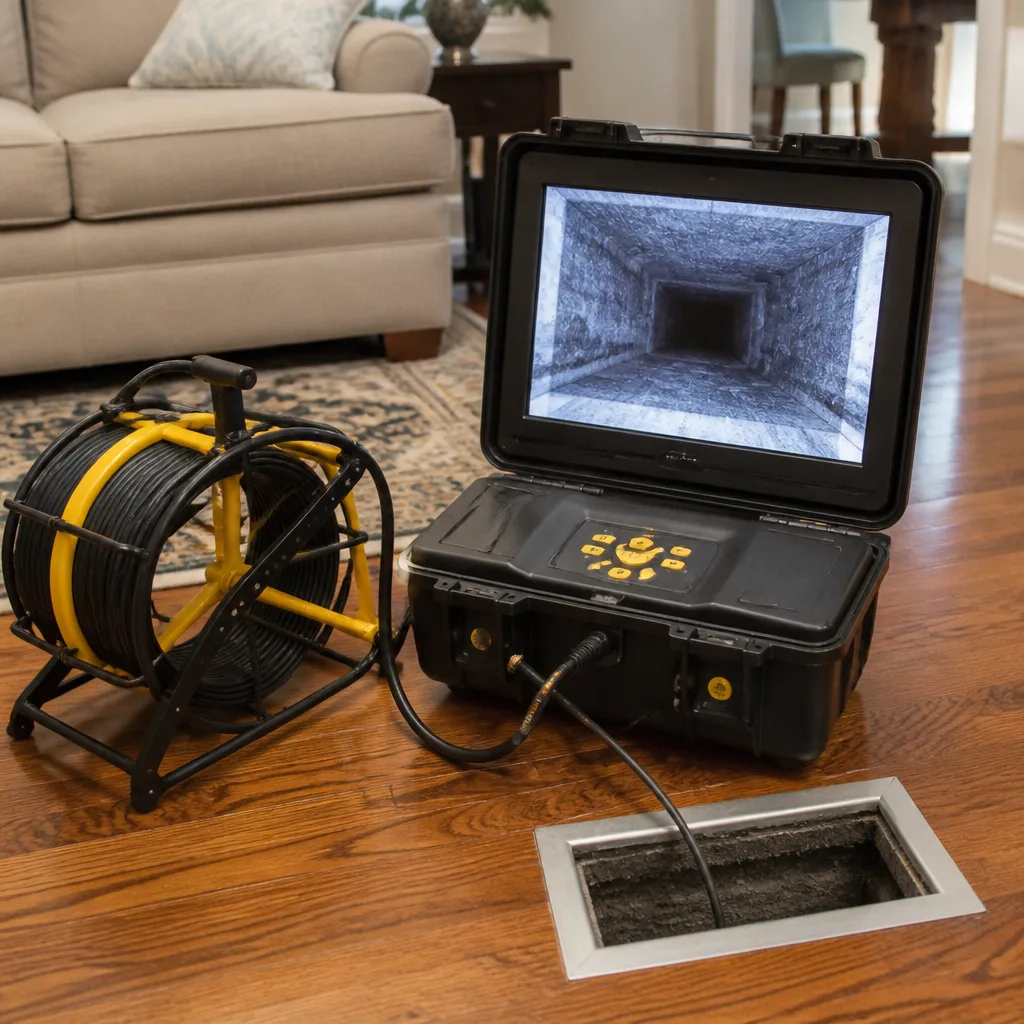 Camera inspection
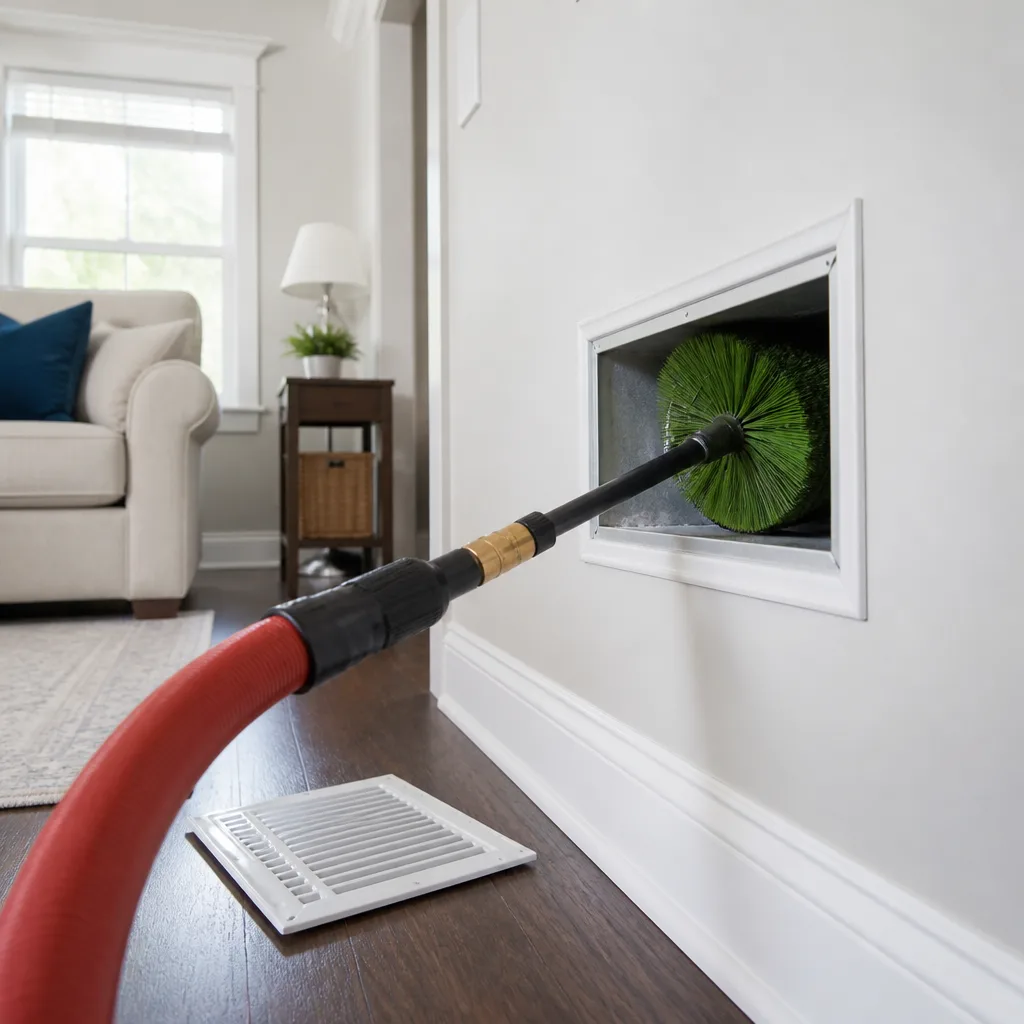 Sanitizing & deodorizing
Whole-system duct and dryer vent check with before-and-after photos - you see exactly what came out of your vents
That "$99 whole-house special" is a bait ad - the real number appears once they are in your hallway, or the "clean" is a shop-vac at the register. We photograph the inside of your ducts before and after instead.
Air Duct Cleaning Maintenance Schedule: What to Do and When
Most homeowners in Mariners Harbor have heard the same number so many times it sounds like law: clean your ducts every three to five years. That interval gets repeated across the internet, printed on fridge magnets, and quoted by anyone with a truck and a vacuum. It’s also the least useful piece of advice in the category, because it ignores everything that actually fills a duct system with debris. A home with one heavy-shedding dog and a run of flex duct can load up in eighteen months to the same particulate level a hard-pipe, pet-free house takes six years to reach. One interval can’t serve both. This guide replaces the calendar with a set of conditions you can read off your own system, and explains what to inspect, when to inspect it, and which changes should trigger a cleaning no matter what the calendar says.
Quick Answer
There’s no universal duct cleaning interval. A practical schedule is 3 to 5 years for a typical home with hard-pipe ductwork and no pets, 2 to 3 years if you have shedding pets, allergies, or a home near busy roads in Mariners Harbor, and a cleaning within weeks of any major renovation regardless of when the system was last done. The fastest way to set your own interval is to watch how quickly your return grille and filter load between changes – that tells you more than any fixed date.
Styles & brands we work with
- Whole-home duct cleaning
- Dryer vent cleaning
- Camera inspection
- Sanitizing & deodorizing
Table of Contents
- Why Fixed Intervals Miss the Point
- The Condition-Based Decision Matrix
- What to Inspect at Every Seasonal Changeover
- Why Post-Renovation Cleaning Is Non-Negotiable
- Filters as Your Leading Indicator
- Humidity Seasonality in Mariners Harbor
- Building Your Own 12-Month Schedule
- Dryer Vents and HVAC Coils: The Rest of the System
Why Fixed Intervals Miss the Point
A duct system is a collection chamber, and what it collects depends on what’s in the air and how the duct is built. The variables that actually matter are the ones a calendar can’t see: how many pets shed into the return air, whether the occupants have respiratory sensitivities, whether the ductwork is sheet metal or flex, how old the blower is, how many filters are in the system, and whether anyone recently put a saw through a wall in the house.
The one thing a fixed interval does accomplish is confusing two different questions. “How often should ducts be cleaned?” is not “How often does a duct cleaner want to come back?” The honest answer to the first question is that the correct time is when the condition of the system calls for it, and that for some Mariners Harbor homes the answer is closer to every two years while for others it’s six or seven.
In our experience, the strongest predictor of fast loading isn’t house size or the age of the system. It’s the combination of a shedding animal, a run of flex duct, and a filter that’s being changed less frequently than the blower really needs. Flex duct has a corrugated interior liner that catches debris on every ridge. Sheet metal with smooth walls doesn’t trap the same way. That’s a materials fact, not a maintenance story, and it’s the single biggest reason two identical-looking homes on the same block in Mariners Harbor can need completely different schedules.
The Condition-Based Decision Matrix
Use the factors below as independent adjustments to a baseline, not replacement rules. Start with a baseline of four years for a home with hard-pipe ductwork, no pets, no allergies, and no recent construction, then move your number down for each condition that applies.
- Shedding pets: subtract one to two years. A single heavy-shedding dog can halve the interval. Two or more, or a long-haired cat, push toward the two-year mark.
- Occupant allergies or asthma: subtract one year, and treat the cleaning as a home-health measure rather than a maintenance item. Particulate load matters more when someone in the house reacts to it.
- Recent renovation: reset the clock to zero. Drywall dust, sawdust and insulation fibers settle into duct runs long after the work is finished, and the interval below is irrelevant until the system is clean again.
- System age over fifteen years: subtract a year and inspect the interior more carefully. Older blowers and older duct seals leak more, and leakage pulls unfiltered air from basements, crawlspaces and wall cavities.
- Flex duct construction: subtract a year. The corrugation traps material that smooth metal releases.
- Light-commercial or multi-unit property: treat this as its own category. Higher occupancy and heavier runtime mean shorter intervals, and property managers in Mariners Harbor typically work from a two-to-three-year cycle with an annual visual inspection.
- Smoking indoors or a wood-burning appliance: subtract a year. The residue is sticky, and it holds subsequent dust in place.
The point of the matrix isn’t precision down to the month. It’s to stop a five-bedroom house with two dogs and a flex trunk from being told the same thing as a two-bedroom condo with hard pipe and no pets. If three or more adjustments apply to you, you’re likely on a two-year cycle, and the seasonal inspection below will confirm it.
What to Inspect at Every Seasonal Changeover
Twice a year, when the system switches from heating to cooling and back, you have a natural checkpoint. That’s when the system is already open for filter changes and thermostat adjustments, so ten minutes of looking costs you nothing. This inspection isn’t a substitute for a professional assessment, but it tells you whether one is due.
- Pull a return grille and look at the interior face of the grille itself. A light, even film is normal. A visible mat of gray-brown fuzz across the grille, or debris clinging to the grille screws, means the system is pulling more than the filter is catching, and cleaning is worth scheduling.
- Look at the filter housing edges. Dust streaks around the frame – outside the filter, inside the housing – mean air is bypassing the filter. That’s a duct-cleaning signal and also a reason to check the fit.
- Shine a light into the first accessible duct run past the return. Instead of a dull metallic surface, what you want to see is a visible coating, debris strands, or a buildup that has texture. Smooth, dull gray is fine. Anything you could scrape off with a fingernail is not.
- Open the blower compartment if it’s accessible and look for a dust mat on the wheel blades. Blower wheels caked with dust reduce airflow and often indicate that the ducts feeding them are loaded. If you’re not comfortable opening the panel, stop here and leave it for a technician – the blower compartment is electrically live even when the thermostat is off.
- Check supply vents for dust puffs when the system starts. A visible puff of dust out of a supply grille at start-up is a strong indicator of loose debris inside the duct.
- Note the smell. A musty or damp odor when the system first runs is worth taking seriously, especially in a Mariners Harbor home during the humid months. Odor is one of the few duct symptoms you can’t see.
If two or three of these indicators show up at the same checkpoint, treat that as your cleaning trigger. If one of them shows up, note it and re-check at the next changeover.
Why Post-Renovation Cleaning Is Non-Negotiable
No other trigger overrides the calendar the way renovation does. Drywall dust is the most aggressive particulate a residential duct system will ever see. It’s fine, it’s alkaline, and it travels. During a kitchen or bathroom renovation, the HVAC system runs intermittently, the return grille pulls airborne drywall and sawdust straight into the ductwork, and it deposits along the interior walls where airflow is slowest.
Flex duct is where this gets expensive to reverse. The interior liner of a flex run is corrugated, and fine construction dust packs into the ridges rather than sliding off. Standard handheld vacuuming at the register doesn’t reach it. Removing it takes mechanical agitation inside the run combined with high-volume negative pressure at the same time, which is exactly the pairing a rotary brush system provides. This is one of the reasons we work with Rotobrush rotary brush systems and Nikro equipment – the brush dislodges what the vacuum can then pull out, and neither one alone is enough.
Here’s the practical rule: if any part of the home was opened up, demolished, sanded or spray-textured, schedule a cleaning within the first few weeks after the dust settles, not at the next scheduled interval. Subsequent cleaning should also include the blower and coil surfaces, since the same dust that entered the ducts sat on the equipment. A professional cleaning that covers HVAC cleaning along with the ducts catches both in one visit and avoids the common outcome where the ducts are clean but the blower is still loaded.
Filters as Your Leading Indicator
The most useful timing signal you own is sitting in your filter slot. A filter’s load rate tells you how much particulate is moving through the system, and how fast it loads is a better proxy for duct condition than any interval you can read about online.
Start with a simple measurement. Note the date you install a fresh filter, then check it at thirty days. Compare the visual loading against the change date you’d normally use. A filter that’s visibly gray at thirty days in a home that used to run four months on the same filter type is telling you something changed: a pet, a renovation, a leaky return, or a filter that’s underperforming for the actual load. Any of those means shortening the duct interval until the cause is addressed.
The reverse is also useful. If a filter is still nearly white at the change date and the return grille looks clean, the system is catching its particulate early and you can extend the cleaning interval with confidence. Two cautions: don’t stretch filter changes to “prove” the ducts are clean, and don’t switch to a highly restrictive filter thinking it’s a substitute for cleaning. A filter that loads too fast can starve the blower, and filter pressure drop is a specification, not a preference. A Honeywell or Aprilaire compatible filter that matches your system’s design static pressure is the right starting point, and post-cleaning sanitizing that integrates with those whole-home filtration systems is one of the reasons we work with those brands.
Humidity Seasonality in Mariners Harbor
Mariners Harbor sits near the water, and waterfront proximity shapes how you should time a duct cleaning here in a way it wouldn’t in an inland town. The relevant fact isn’t salt air – it’s humidity. Long stretches of warm, humid weather raise the moisture content of the air that enters the return side of a system, and moisture is what determines whether settled dust stays inert or becomes a growth medium.
The practical implication is a timing one. In homes here, biological growth inside a duct system – musty odors, darkening on the interior of a duct wall, dampness at the filter housing – is most likely to develop and be noticed at the end of the humid season rather than the beginning. That makes late summer and early fall a sensible checkpoint in Mariners Harbor for a visual inspection, particularly for homes with a basement or crawlspace return, or with a system that sits partly in unconditioned space.
If you find odor or visible growth at that checkpoint, cleaning alone stops the immediate problem, but not the cause. Sanitizing after the mechanical cleaning is what addresses the surface, and dehumidification of the space the duct runs through addresses recurrence. That’s why the services we offer are grouped as separate categories rather than one bundle: air duct cleaning, repair and sealing, and air quality and sanitizing each solve a different part of the problem, and the visit that does all three is usually the one that keeps the system clean until the next interval.
Building Your Own 12-Month Schedule
Once you’ve set an interval, turn it into something you’ll actually run. A simple annual rhythm handles the whole cycle, and the two changeover checkpoints are built in.
- Early spring, at the heating-to-cooling switchover: replace the filter, run the visual inspection in the section above, and note the filter loading date-to-date. Mark the grille condition.
- Early fall, at the cooling-to-heating switchover: replace the filter again and repeat the inspection. In Mariners Harbor, add the humidity check – look for odor or discoloration inside the return and at the filter housing.
- Once a year: check your interval against the filter loading trend. If filters are loading faster than last year, shorten the interval. If they’re loading slower, you can extend it.
- After any renovation, before you reset the schedule: schedule a cleaning and an equipment cleaning regardless of what the rhythm says.
- Every year, separately from the duct rhythm: inspect and clean the dryer vent. That’s a fire-safety item and it runs on its own clock. It’s also a service most duct cleaners bury as an upsell; we offer it as a standalone visit because the lint load in a dryer vent has nothing to do with how clean your supply ducts are.
If you’d rather delegate the whole thing, the Air Duct Cleaning Mariners Harbor crew handles the inspection, cleaning, repair and sealing, and sanitizing in one visit, so there’s no handoff between vendors. The technicians have up to 8 years of experience, and they’ll tell you honestly whether the system needs cleaning now or can wait another year.
Dryer Vents and HVAC Coils: The Rest of the System
A duct schedule that covers only supply and return runs is incomplete, because the system has two components that load independently. The first is the dryer vent. Lint is generated on every cycle and pushes downstream; a restricted vent increases drying time, and the failure mode is a fire, not a dust issue. Treat it as an annual check regardless of what your duct interval says. A walk outside to see if the exterior flap opens freely is a reasonable monthly check between annual cleanings – if the flap doesn’t move when the dryer runs, stop using it and get it cleared.
The second is the air handler and coil. The evaporator coil sits wet for long stretches during the cooling season, and wet coil fins act as a particulate trap. When the coil is loaded, airflow drops, the blower draws harder, and the ductwork sees more unfiltered air. Cleaning the coil on the same visit as the ducts is far more efficient than cleaning the ducts and leaving the coil to shed material back into the freshly cleaned system. That’s the full-scope reasoning, and it’s one of the things our crew checks before the vacuum comes out.
Common Mistakes to Avoid
- Following the three-to-five-year rule without checking your conditions. The interval is a baseline, not a prescription. A home with a dog and flex duct on that schedule is running years behind; a pet-free home on the same schedule is paying for cleanings it doesn’t need.
- Skipping the post-renovation cleaning because the ducts “were just done.” Drywall dust doesn’t care what the calendar says. Pushing it through the blower for months before a cleaning costs more in equipment wear than the cleaning saves.
- Treating a cheap coupon clean as a real cleaning. A low headline price without a whole-system scope and before-and-after photos leaves you unable to verify what was done. Prices are set per system, agreed before work starts, from a written estimate – anything less specific is worth questioning.
- Opening the blower compartment or the electrical panel yourself to “check it out.” Both are live. Blower compartments carry line voltage even with the thermostat off, and electrical work belongs to a trained professional. Inspect the returns and grilles; leave the equipment bay closed.
- Assuming a high-MERV filter replaces duct cleaning. A restrictive filter raises static pressure and can starve the blower. Duct cleaning removes what the filter never had a chance to catch.
- Ignoring musty odor because the system “still works.” Odor is the earliest moisture indicator and the hardest to reverse once growth spreads into flex liner. In a humid neighborhood like Mariners Harbor, that’s a check worth doing at the fall changeover every year.
- Letting the dryer vent run on the duct interval. Lint accumulates fast and the consequence isn’t cosmetic. Annual checks are the floor, not the ceiling.
See the difference
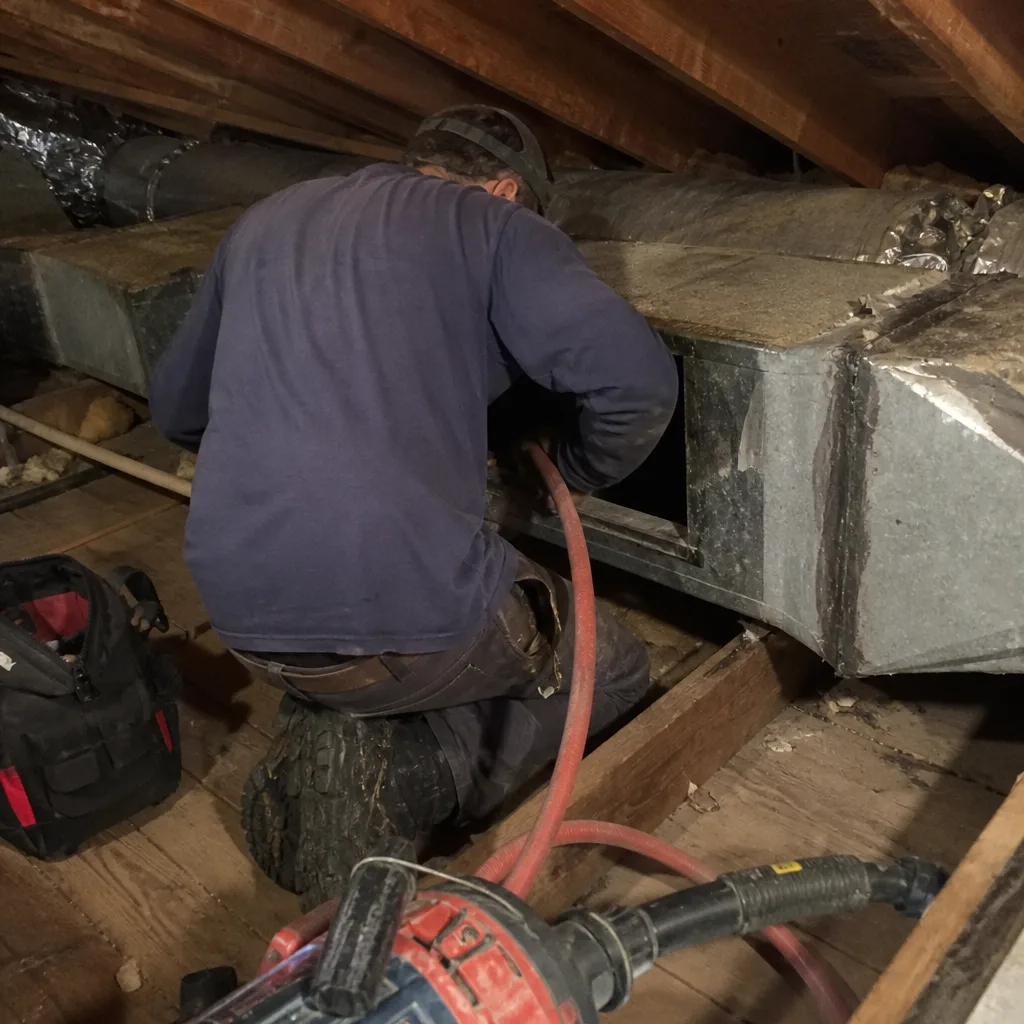 Before
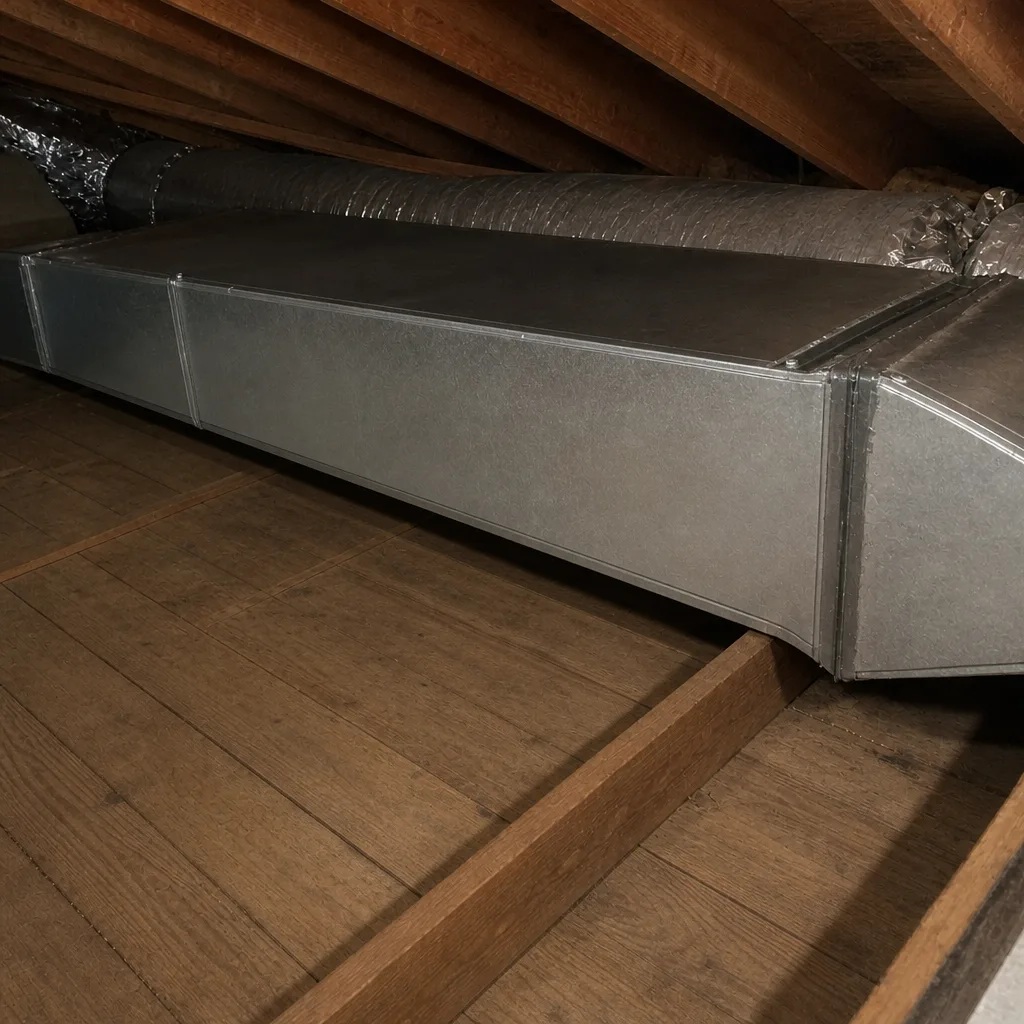 After
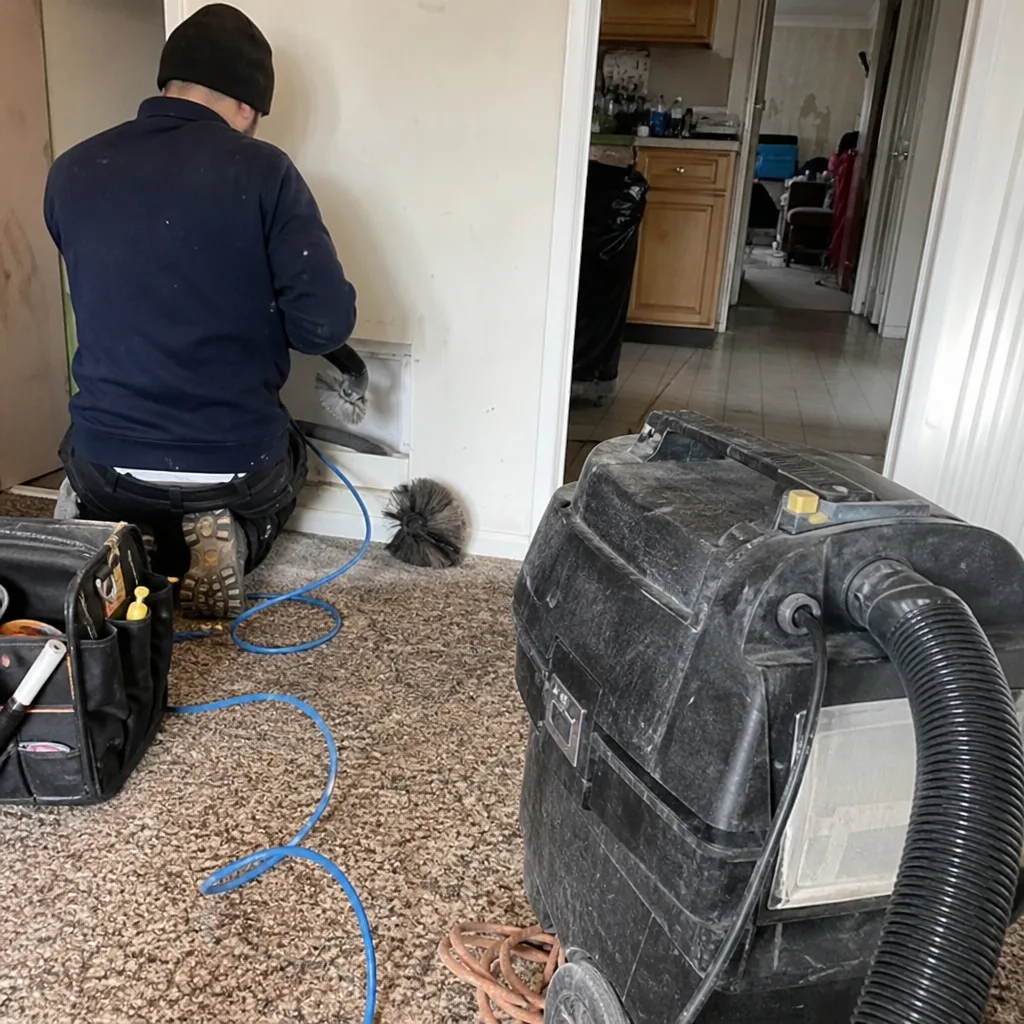 Before
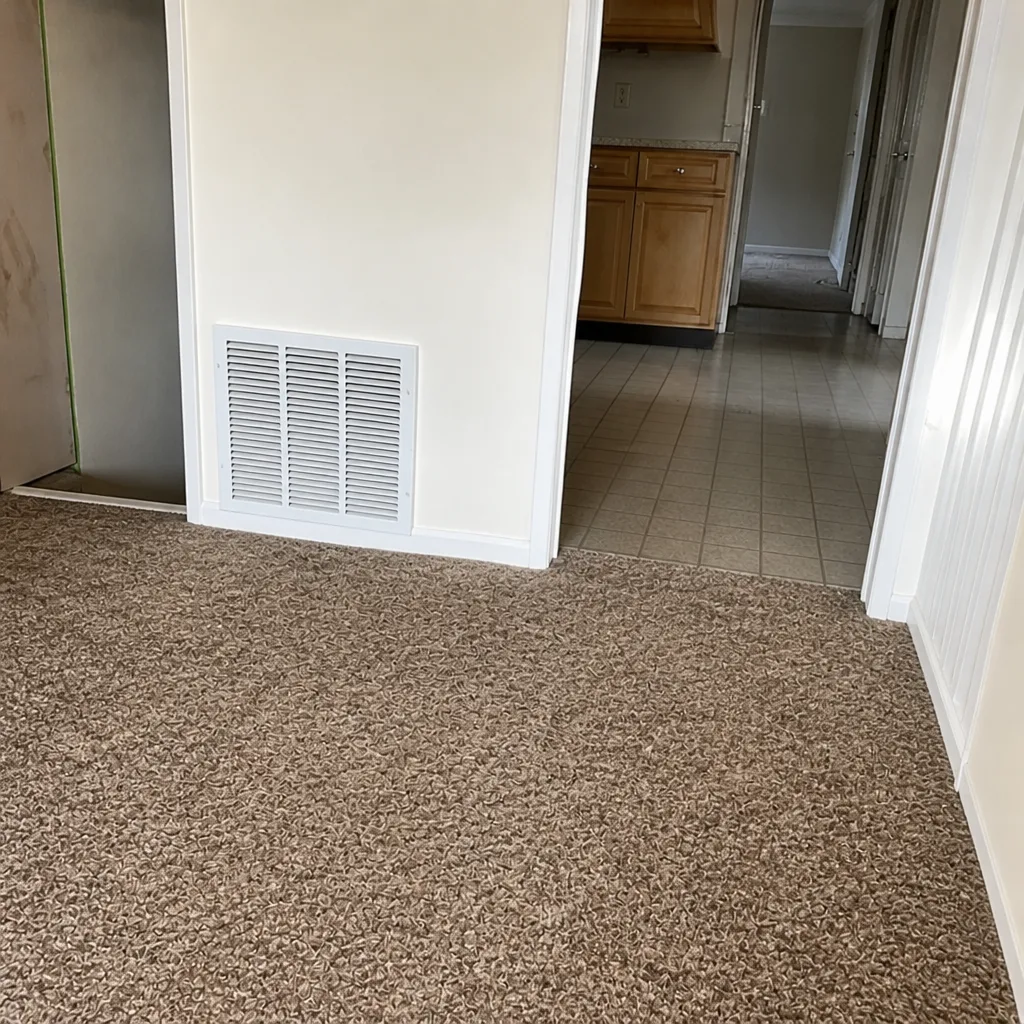 After
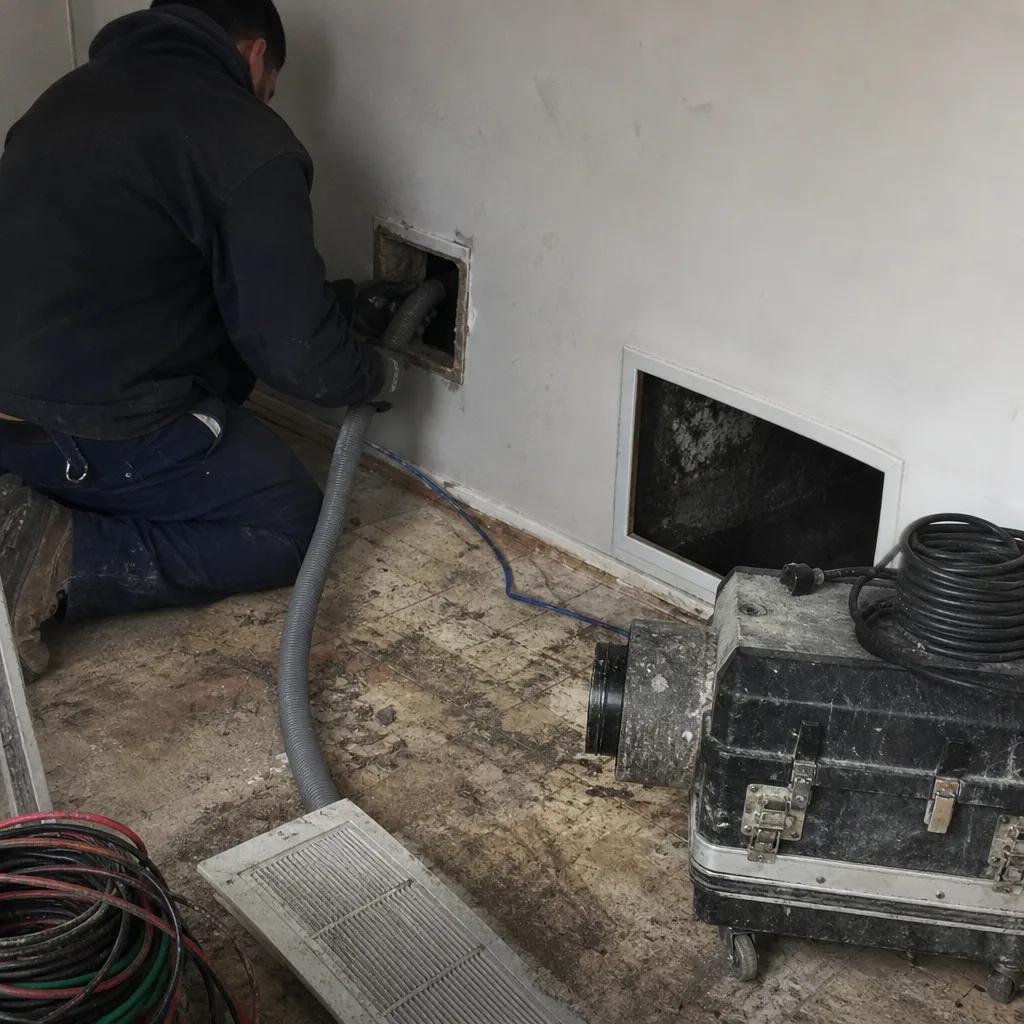 Before
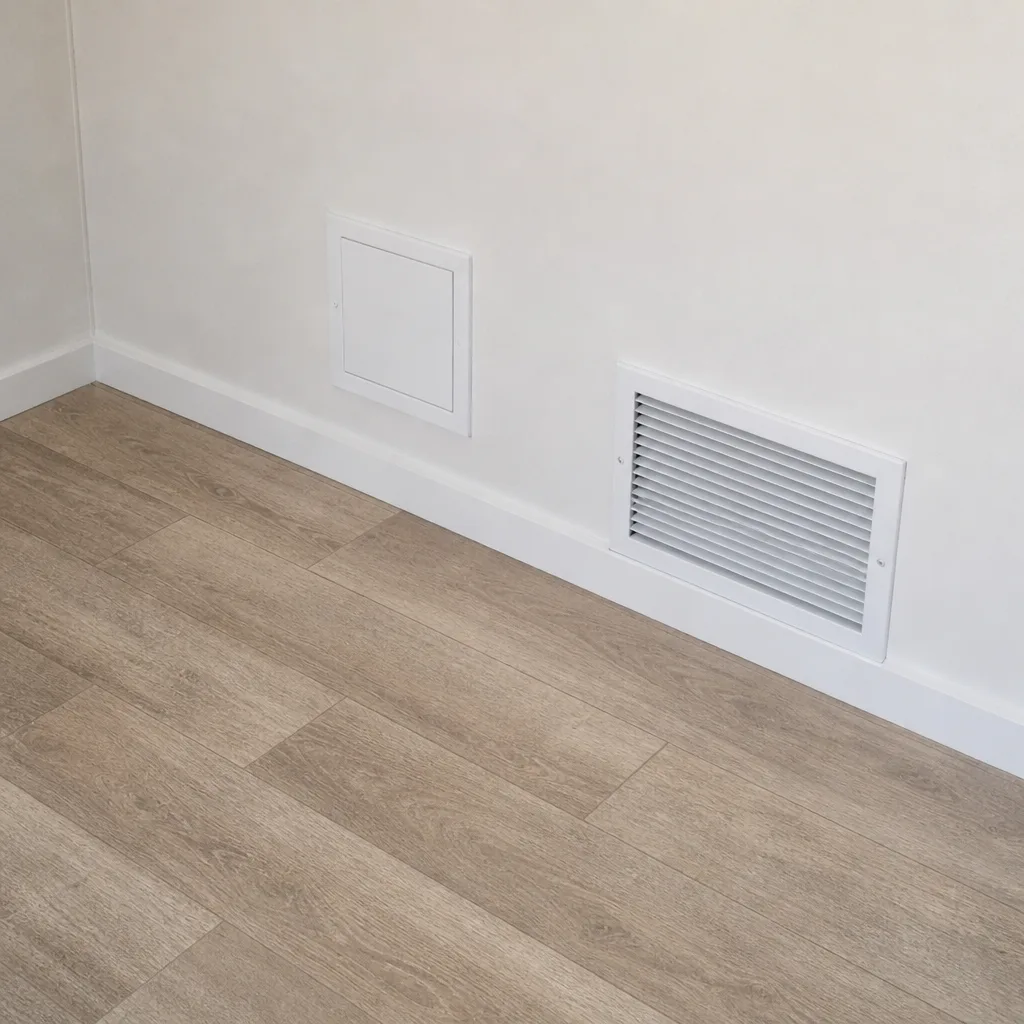 After
When to Call a Professional
Some of this you can inspect yourself; some you shouldn’t. Call a professional if you find visible debris inside an accessible duct run, a musty or damp odor at system start-up, a blower wheel caked with dust, or visible growth inside a return. Call after any renovation that opened up walls, ceilings or flooring. Call if someone in the home has allergies or asthma and symptoms seem tied to the system running. Call if your filter loads noticeably faster than it did a year ago. Call for the dryer vent if you can’t see daylight through the exterior vent flap or if clothes take longer than usual to dry. On the safe side: never open the electrical panel or blower compartment to inspect further – leave that to a technician.
Air Duct Cleaning Mariners Harbor offers free estimates in Mariners Harbor. Call (844) 625-7002. We answer 24/7. Fast dispatch from 7am to 7pm, Sunday through Friday. The estimate is free and the price is set per job by a written estimate before any work starts.
Frequently Asked Questions
Most Mariners Harbor homes fall in a two-to-five-year window, and the variables that decide where in that window you sit are pets, allergies, duct material, system age, and whether the home was recently renovated. Hard-pipe ductwork in a pet-free home can go four to five years. Flex duct with a shedding dog is closer to two. Use the filter loading rate to confirm whether the interval is right.
Waterfront proximity affects the timing more through humidity than through anything airborne. Long humid stretches raise the moisture level in the air entering the return, and that makes biological growth inside ductwork more likely, especially in systems with basement or crawlspace returns. A late-summer inspection focused on odor and interior discoloration is a useful Mariners Harbor habit; it doesn’t automatically shorten the interval, but it tells you when the humidity factor has started to matter. Call (844) 625-7002 for an exact quote – estimates are free.
Air duct cleaning pricing depends on the number of systems, the length and type of ductwork, and whether repair, sealing or sanitizing is part of the visit. We work from one flat price per system agreed before work starts and confirmed in a written estimate, so there’s no per-vent arithmetic and no surprise line at the end. Before-and-after photos of your own ducts are part of the job. Call (844) 625-7002 for an exact quote – estimates are free.
Cheap quotes usually exclude the parts of the job you can’t see from the curb: the blower wheel, the coil, sealed access points, and the negative-pressure setup that keeps dislodged dust out of the living space. A low per-vent price can also be a per-vent price in name only, growing once the technician is inside. We use Rotobrush and Nikro systems and run Abatement Technologies air scrubbers on site so particulates are captured rather than recirculated – the scope is fixed and the price is fixed before we start. Call (844) 625-7002 for an exact quote – estimates are free.
You should be able to see it. Ask for before-and-after photos of your own duct runs – not stock photos – and expect the technician to show you the blower and return condition during the visit. A crew that can’t produce photos of your system is asking you to take the outcome on faith. Our scope covers cleaning, repair and sealing, and sanitizing in a single visit, so the photos cover the whole system rather than one duct. Call (844) 625-7002 for an exact quote – estimates are free.
No. Dryer vent lint accumulates independently of duct debris and is measured in fire risk, not air quality, so an annual check is the sensible floor regardless of your duct interval. If the exterior flap doesn’t open freely when the dryer runs, stop using the dryer until it’s cleared. We offer dryer vent cleaning as a standalone service for exactly this reason.
It usually means one of three things: a new pet, a recent renovation pushing dust through the system, or a filter that no longer matches the actual load. Sometimes it also points to a leaky return pulling unfiltered air from an unconditioned space. Check the frame for dust streaks outside the filter – those confirm a bypass. If the fast loading shows up alongside a visible return grille buildup, cleaning is worth scheduling. Call (844) 625-7002 for an exact quote – estimates are free.
The Bottom Line
The three-to-five-year rule is a starting point, not a schedule. In a home with hard-pipe ductwork, no pets and no allergies, it holds well. Add a shedding animal, a flex-duct run, allergies in the household or a recent renovation, and the right number drops fast. Watch your filter loading and your return grille at both seasonal changeovers – those two readings are more accurate than any interval printed online. Treat post-renovation cleaning as mandatory, inspect for humidity-driven odor in late summer in a neighborhood near the water, and run the dryer vent on its own annual clock. If you want a second opinion on any of it, the crew behind air duct cleaning in Mariners Harbor will tell you whether now is the time or next year is.
Written by the team at Air Duct Cleaning Mariners Harbor.