
Last updated November 24, 2026
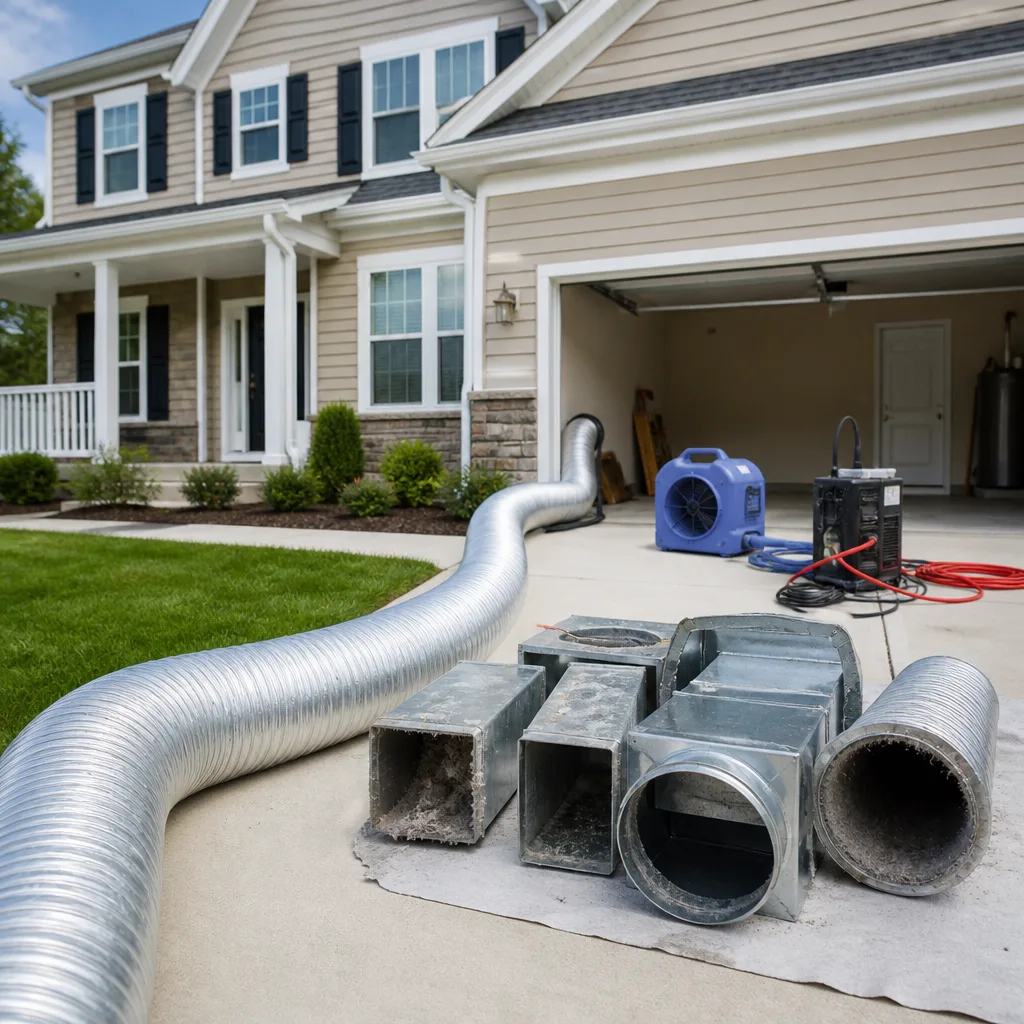 Whole-home duct cleaning
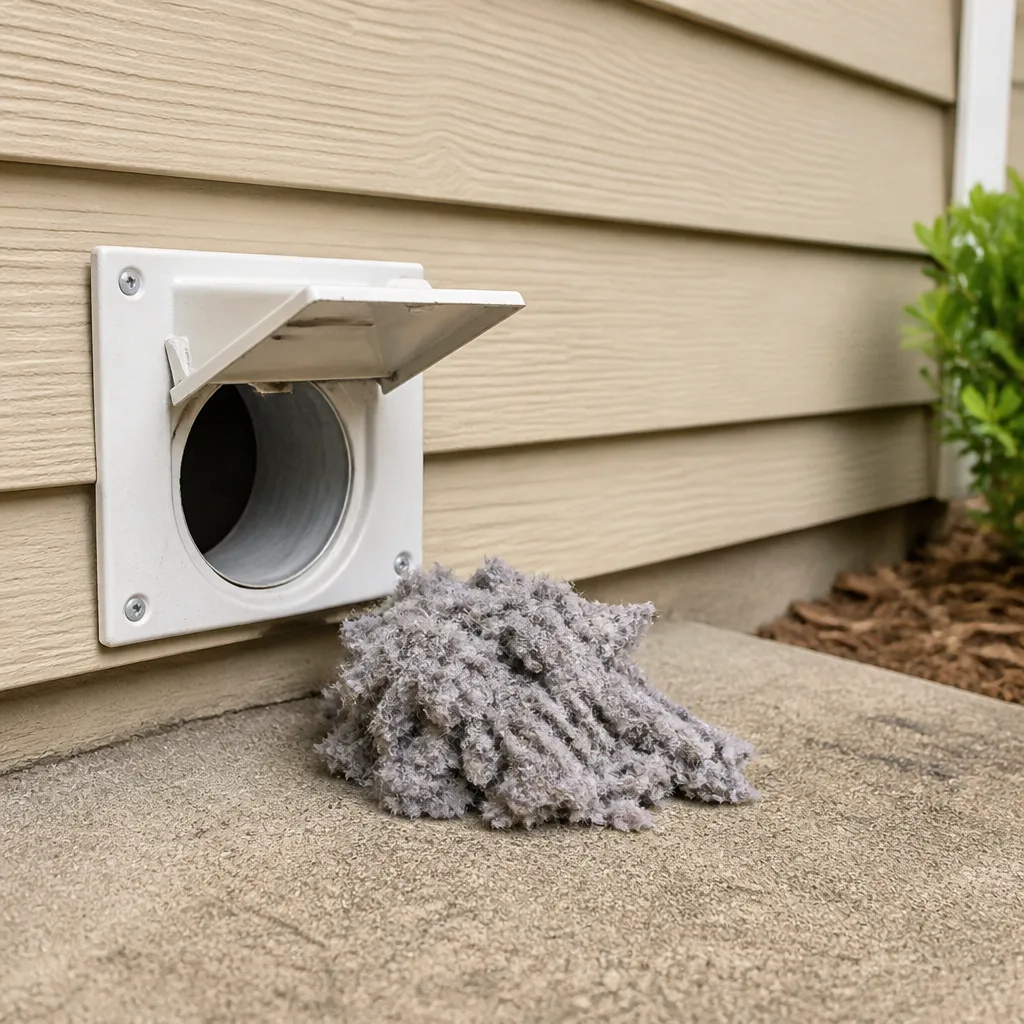 Dryer vent cleaning
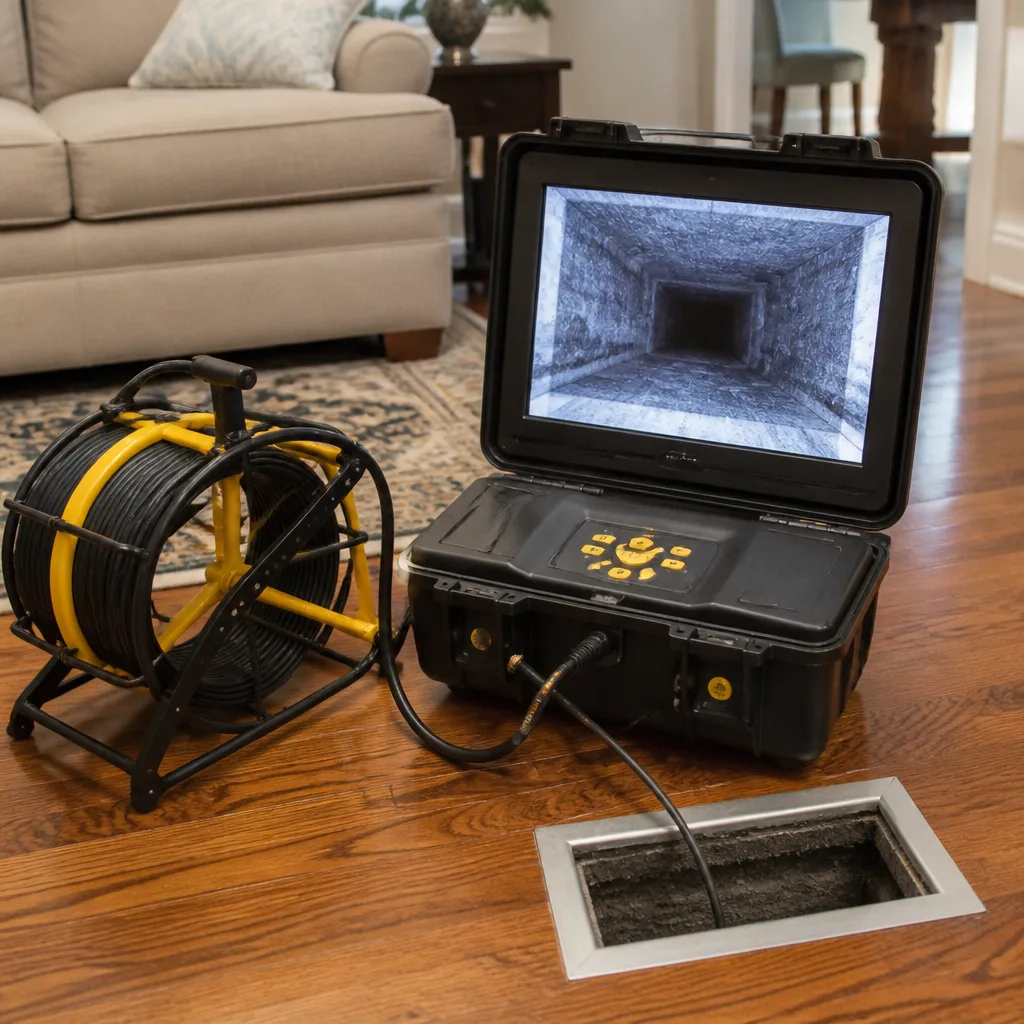 Camera inspection
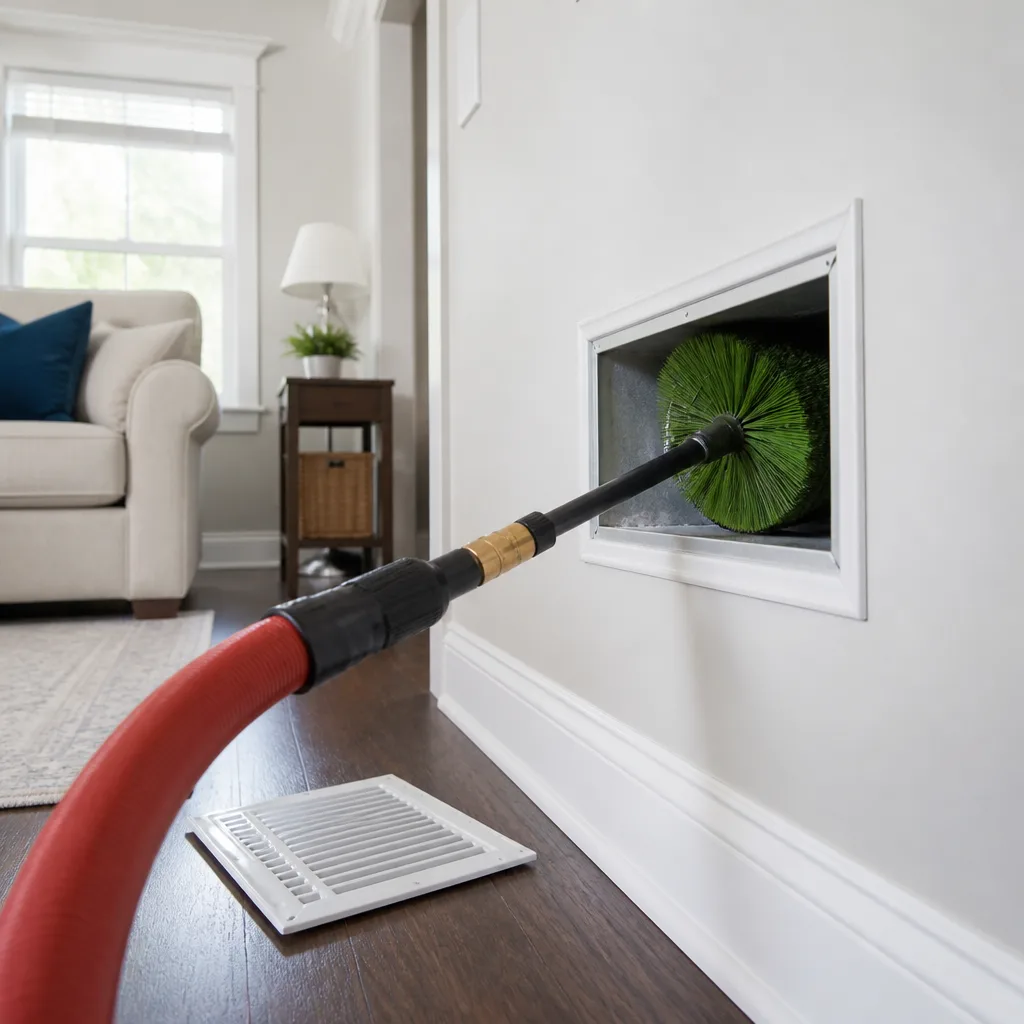 Sanitizing & deodorizing
Whole-system duct and dryer vent check with before-and-after photos - you see exactly what came out of your vents
That "$99 whole-house special" is a bait ad - the real number appears once they are in your hallway, or the "clean" is a shop-vac at the register. We photograph the inside of your ducts before and after instead.
Air Duct Cleaning Permits, Codes & Inspections in Mariners Harbor, NY: What You Need to Know
No permit is required to clean your ducts. A permit is required the moment a contractor cuts into ductwork, replaces a section, or installs new components, and that work happens more often than homeowners realize. In Mariners Harbor, where a lot of the housing stock is older and duct systems have been patched and extended over the years, the gap between “cleaning” and “regulated mechanical work” catches people off guard. A technician who pulls out a collapsed flex run and screws in a replacement has crossed a legal line the homeowner never agreed to. This guide explains where New York City draws that line, what inspections apply, how asbestos rules in pre-1978 homes change the scope of a job, and the questions to ask before anyone touches your system.
Quick Answer
Air duct cleaning itself does not require a permit in New York City. Duct repair, duct modification, flexible duct replacement, and any work that opens or alters the mechanical system generally do require a permit from the NYC Department of Buildings, and that work must be done by a licensed contractor. If your home was built before 1978 and the duct insulation may contain asbestos, abatement must happen before any cleaning or repair begins.
Styles & brands we work with
- Whole-home duct cleaning
- Dryer vent cleaning
- Camera inspection
- Sanitizing & deodorizing
Table of Contents
- Cleaning Versus Repair: Where NYC Draws the Permit Line
- When a Permit Is Required in Mariners Harbor
- What Inspections Actually Cover
- How Local Law 97 and the Energy Code Change Contractor Behavior
- Asbestos in Pre-1978 Duct Insulation: What It Means for Scope
- DOB Violations Versus Insurance Gaps
- Questions to Ask Before You Hire
- Documentation That Protects You
Cleaning Versus Repair: Where NYC Draws the Permit Line
The distinction is simpler than the code language makes it sound. Cleaning removes debris from a system that stays as built. Repair changes the system. The New York City Construction Codes treat ductwork as part of the mechanical system, and alterations to a mechanical system fall under permit requirements. Maintenance that restores a system to its original condition generally does not.
What counts as cleaning:
- Mechanical agitation of duct interiors with rotary brush equipment
- Negative-pressure extraction of loosened debris
- Cleaning of registers, grilles, and diffusers without removal of duct sections
- Sanitizing applied inside existing ductwork
- Cleaning of the air handler cabinet and blower compartment as part of HVAC cleaning
- Dryer vent cleaning, which is a separate system entirely
What generally counts as repair or alteration:
- Replacing a section of flex duct or rigid duct
- Cutting into a trunk line to add a run or a takeoff
- Sealing joints with mastic or approved tape where the sealant is part of a system modification
- Reconnecting disconnected ducts that have come apart inside a wall or ceiling cavity
- Removing or replacing duct insulation
- Changing the routing or size of a duct run
Here is the part most Mariners Harbor homeowners miss: a cleaning job often reveals one of the second-list items. Ducts in older homes sag, disconnect at joints, or have been taped together by previous owners. When a technician finds a disconnected run during cleaning, the honest thing is to stop, explain the finding, and discuss whether the repair is in scope. The dishonest thing, and the illegal one, is to quietly fix it and hand you a bill for work that required a permit nobody pulled.
In our experience, the clearest contractors say out loud at the start of the visit that cleaning ends and permitted work begins at the point of alteration. That single sentence prevents most disputes.
When a Permit Is Required in Mariners Harbor
If the work alters your mechanical system, a permit from the NYC Department of Buildings is generally required, and the contractor performing it must hold the appropriate license. Cleaning alone does not trigger this. For a Mariners Harbor homeowner, the practical question is not “does my cleaning need a permit” but “will this visit involve anything beyond cleaning.”
Work through these steps before the job starts:
- Ask the contractor whether the quoted scope is cleaning only, or includes repair and sealing.
- If repair is included, ask whether a DOB permit is required for that specific repair and who is pulling it.
- Confirm the contractor’s license covers mechanical work, not just cleaning.
- Ask for the permit number once it is filed, and keep it with your records.
- If the contractor says no permit is needed for a repair, ask them to explain why in writing.
Some repairs are minor enough that a contractor will reasonably tell you they don’t rise to permit level, and that is a judgment call made against the code. What you want is a contractor who makes that call knowingly rather than one who has never thought about it. A crew that cleans ducts for a living and never touches duct structure is operating on the safe side of the line by design.
Property managers overseeing multiple units in Mariners Harbor have an extra layer to consider. Building-wide duct work, riser modifications, and any alteration in a commercial or mixed-use building sit in a different review category than a single-family home. If you manage a building, get the scope in writing per unit and per system before scheduling. Our air duct cleaning Mariners Harbor page covers how we structure those multi-unit visits.
One more local note: the housing in Mariners Harbor ranges from older two-family homes to newer construction near the waterfront corridors, and the two age brackets produce very different duct conditions. Newer systems usually just need cleaning. Older systems are where repair questions come up.
What Inspections Actually Cover
An inspection following permitted mechanical work checks that the installed work matches what was approved on the permit. It is not a duct cleanliness inspection, and it will not tell you whether your ducts are dirty. Homeowners often confuse the two.
What a DOB inspection of duct-related mechanical work typically looks at:
- Materials used match the approved plan and code requirements
- Connections, supports, and clearances are correct
- Sealing and insulation meet the energy code where applicable
- The work is accessible and visible for review
What it does not cover:
- Debris levels inside ductwork
- Whether the system was cleaned before or after installation
- Airflow performance or pressure balance
- Filter condition or air quality outcomes
So what should you actually check after a cleaning? Before-and-after photos of your own ducts, taken at the same angles. That is the verification that matters for a cleaning, and it is the reason we document the work with photos rather than a verbal summary. Equipment matters here too. A rotary brush system like Rotobrush agitates material off duct walls in a way a portable vacuum cannot, and the difference shows up in those photos.
If a permitted repair was done, keep both sets of records: the inspection sign-off and the cleaning documentation. They prove different things, and a future buyer or insurer may ask for either.
How Local Law 97 and the Energy Code Change Contractor Behavior
Local Law 97 sets building emissions limits for larger buildings in New York City and has pushed the whole local trades market toward tighter, better-sealed building envelopes and mechanical systems. Even on a single-family job in Mariners Harbor, the ripple effect is real. Contractors are more conscious of duct leakage, insulation integrity, and documented sealing than they were a decade ago, because the code environment around them has tightened.
What this means for you in practice:
- Contractors are more likely to recommend sealing as part of a job, and sealing is often a repair-scope item
- Insulation removal and replacement, when it happens, follows energy code requirements
- Documentation of what was done is becoming standard rather than optional
- Contractors who work on larger buildings may apply commercial-grade habits to residential jobs, which cuts both ways: better work, more scope
If a contractor proposes duct sealing, ask directly whether it involves mastic or tape applied to existing joints, which is generally a repair, or whether it involves replacing duct sections, which is a larger alteration. The first may or may not require a permit depending on scope. The second almost certainly does. A contractor who can answer that question without hedging knows the code. One who says “we just do it” is telling you something useful about how they work.
Duct repair and sealing is one of the five services we handle, and we scope it separately from cleaning so you always know which part of the invoice corresponds to which kind of work. You can read how we structure the dryer vent cleaning side of the business too, which sits entirely outside mechanical permitting and has its own fire-safety logic.
Asbestos in Pre-1978 Duct Insulation: What It Means for Scope
If your Mariners Harbor home was built before 1978, duct insulation and the thermal wrap on older duct runs may contain asbestos. This is not a rare edge case in older housing stock. It is a real constraint on what legal work can happen and in what order.
The sequence matters:
- Suspect material is identified, usually by a licensed inspector who samples and tests it.
- If asbestos is present, abatement by a licensed abatement contractor happens first, under the applicable regulations.
- Only after clearance can cleaning or repair proceed.
- Documentation of the abatement and clearance stays with the property records.
What this means for a cleaning job: if the insulation wrapping an accessible duct run is damaged or friable, cleaning can disturb fibers. A contractor who starts agitating ductwork in that condition without a clearance has created a problem that is far more expensive than the cleaning. The responsible move is to stop and refer the question to an abatement professional.
We do not perform abatement. When we encounter suspect material in a pre-1978 Mariners Harbor home, we flag it and explain what has to happen before we can proceed. That is a scope boundary, and respecting it is part of doing the job correctly.
This is also why equipment choice matters beyond cleaning quality. Abatement Technologies air filtration units deployed on site capture dislodged particulates rather than recirculating them into the living space. On a job with any age-related uncertainty, that capture layer is the difference between a controlled cleaning and an uncontrolled one.
DOB Violations Versus Insurance Gaps
These are two separate problems, and homeowners usually only think about the first. A DOB violation for unpermitted work is a matter of public record, can block a sale or refinance, and costs money and time to resolve. An insurance gap is quieter and can cost far more.
How a violation unfolds:
- The city identifies unpermitted mechanical work, often during a sale inspection or a complaint
- A violation is issued against the property
- Resolving it typically requires a filing, an inspection, and sometimes opening walls to verify the work
- The homeowner pays for all of it, regardless of who did the original work
How an insurance gap unfolds:
- Something goes wrong after a cleaning or repair, such as water damage from a disconnected condensate line or a fire traced to improperly sealed ductwork
- The insurer reviews the scope of work that was performed
- If the work was unpermitted or performed outside the contractor’s licensed scope, coverage for that loss can be disputed
- You are left covering the loss yourself while also pursuing the contractor
The prevention is the same for both. Ask for the license, ask for the permit when a permit is required, and confirm the scope is squarely within what the contractor is licensed to do. A cleaning-only scope carries far less of both risks. A repair scope without a permit carries much more of both, and it is the homeowner who holds the exposure.
We work with your insurer when a claim is involved. That is different from promising a claim will be paid. What we can do is document the work clearly with before-and-after photos and a written scope, which is what an adjuster will ask for.
Questions to Ask Before You Hire
A contractor who understands where cleaning ends and regulated work begins will answer these without hesitation. The answers tell you more than any marketing claim.
- Is the quoted scope cleaning only, or does it include repair, sealing, or duct replacement?
- If repair is included, does that work require a DOB permit, and who is pulling it?
- What license covers the repair work, and can you show it?
- What happens if you find a disconnected or damaged duct during cleaning? Do you stop and re-scope, or fix it on the spot?
- How do you handle suspect asbestos in a pre-1978 home?
- What equipment are you bringing, and will it capture dislodged debris during cleaning rather than recirculate it?
- Will I get before-and-after photos of my own ducts?
- Is the price fixed per system before work starts, or does it change once you’re on site?
That last question matters more than people expect. The industry has a bait-and-switch reputation for a reason: a low ad price that becomes a much larger invoice once the technician is in the door. The honest structure is a flat price per system, agreed before work starts, with no per-vent pricing. That is how we quote, and it is the first thing to confirm with anyone you hire.
For a dryer vent job, the questions change. Ask about standalone dryer vent cleaning as its own scope, because a clogged dryer vent is a fire risk that a lot of duct cleaners treat as an upsell rather than the main event. You can see how we handle that separately on our air duct cleaning overview.
Documentation That Protects You
Paper protects you in three places: a sale, an insurance claim, and a dispute with a contractor. Gather it during the job, not after.
Keep these records:
- The written estimate, with the scope broken out between cleaning and any repair
- Before-and-after photos of your own ducts, taken at matched angles
- Any permit number and inspection sign-off if repair work was permitted
- Asbestos clearance documentation, if abatement preceded the work
- The contractor’s license information for the scope performed
- A written description of the equipment used
That last item is not bureaucratic. It is the difference between a documented professional cleaning and a claim that cannot be verified after the fact. A job done with a professionally specified rotary brush and HEPA-grade extraction leaves a record. A job done with a portable vacuum and a promise does not.
If you are a property manager, keep a per-unit file. Mariners Harbor buildings with multiple systems benefit from a simple spreadsheet tracking last cleaning date, scope performed, and any open repair items that require permitting.
Common Mistakes to Avoid
- Assuming a repair is part of the cleaning quote. A low quote that covers cleaning only can become a much larger invoice once a disconnected duct is found. Ask what happens when the technician finds one.
- Letting a contractor quietly fix a duct without a permit. Unpermitted mechanical work follows the property, not the contractor, and it surfaces at sale or refinance time.
- Skipping the asbestos question in a pre-1978 home. Disturbing suspect insulation during cleaning creates a hazard and a cost far larger than the cleaning job.
- Accepting a verbal summary instead of photos. Without before-and-after images of your own ducts, you have no way to verify the work was done as described.
- Hiring on price alone. The cheapest quote is usually the one that stops the shortest distance into the system, and the invoice often grows once you are committed.
- Ignoring the dryer vent. A clogged dryer vent is a fire-risk category that many duct cleaners treat as an afterthought. Have it checked as its own scope.
- Not asking what equipment is coming. Consumer-grade vacuums move surface dust. Rotary brush systems and HEPA-grade filtration move what is actually adhered to the duct walls.
See the difference
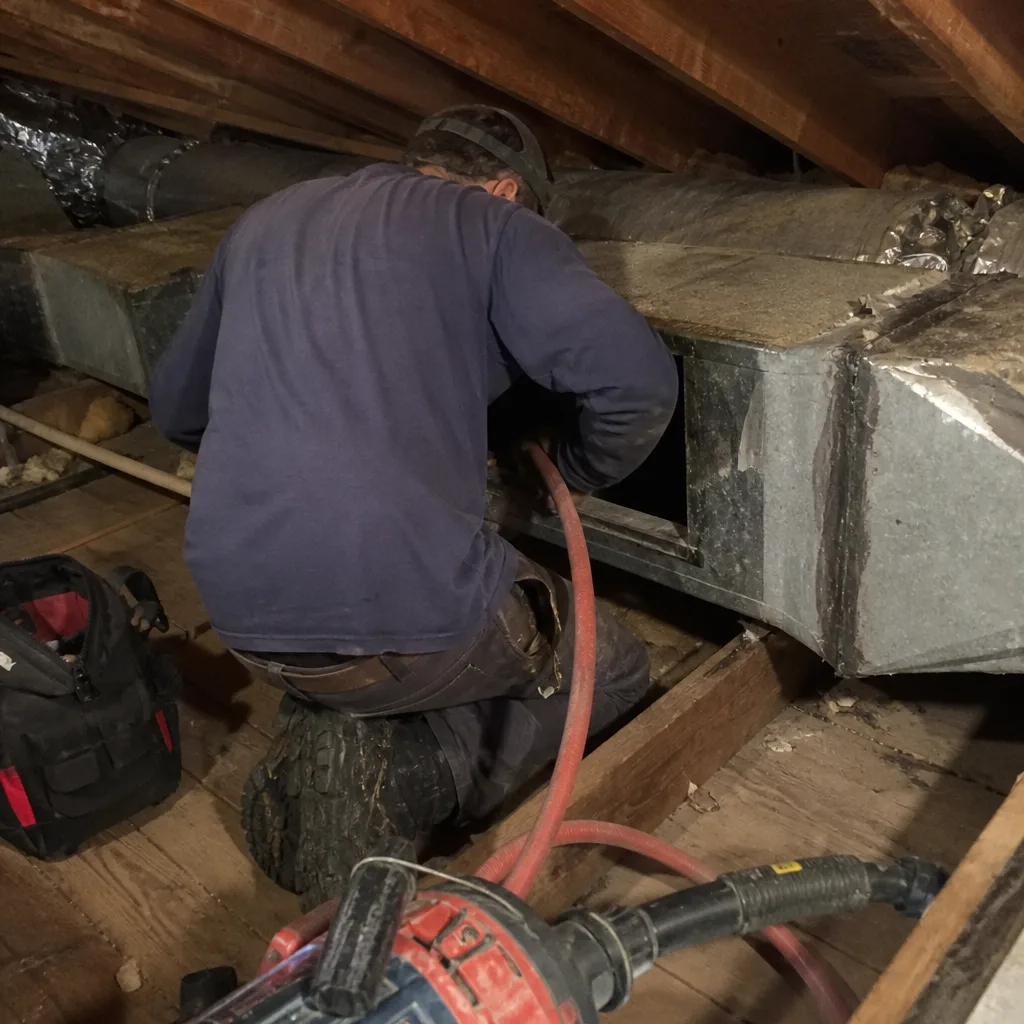 Before
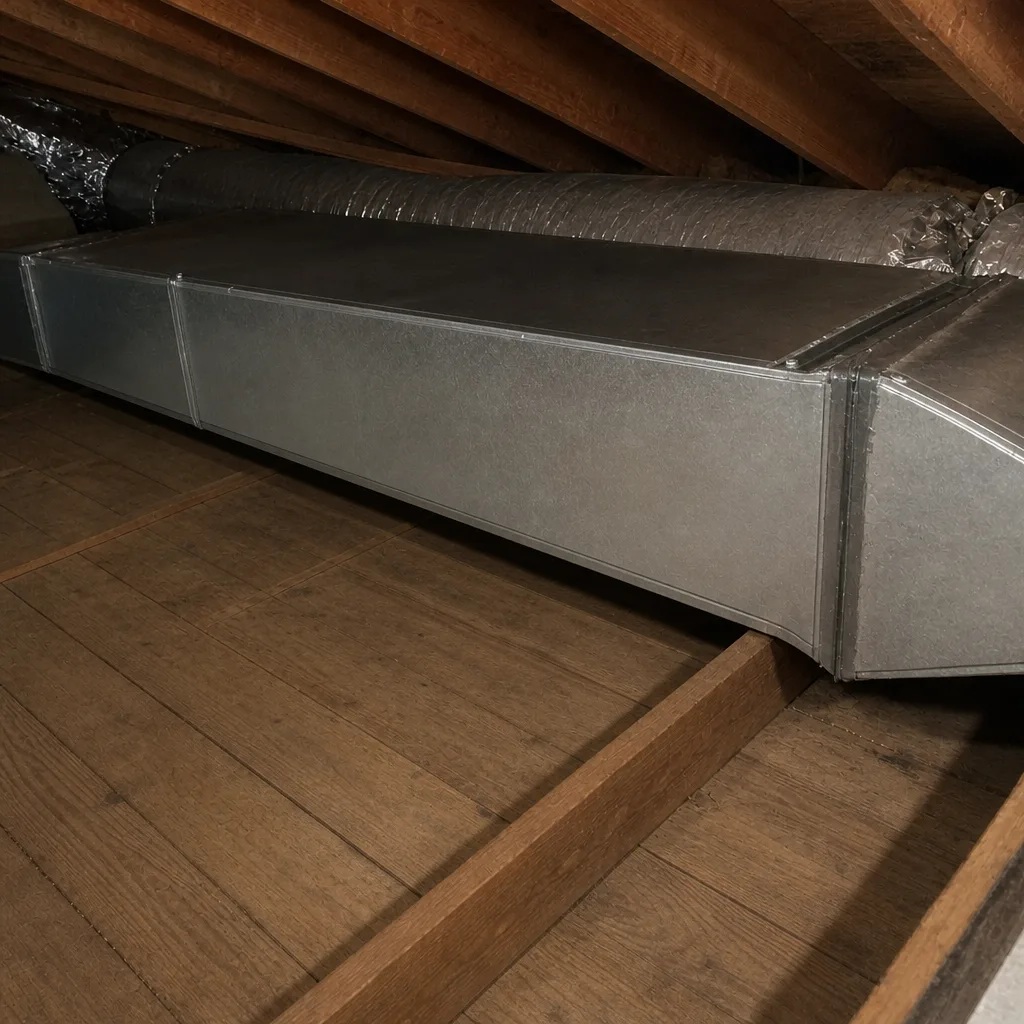 After
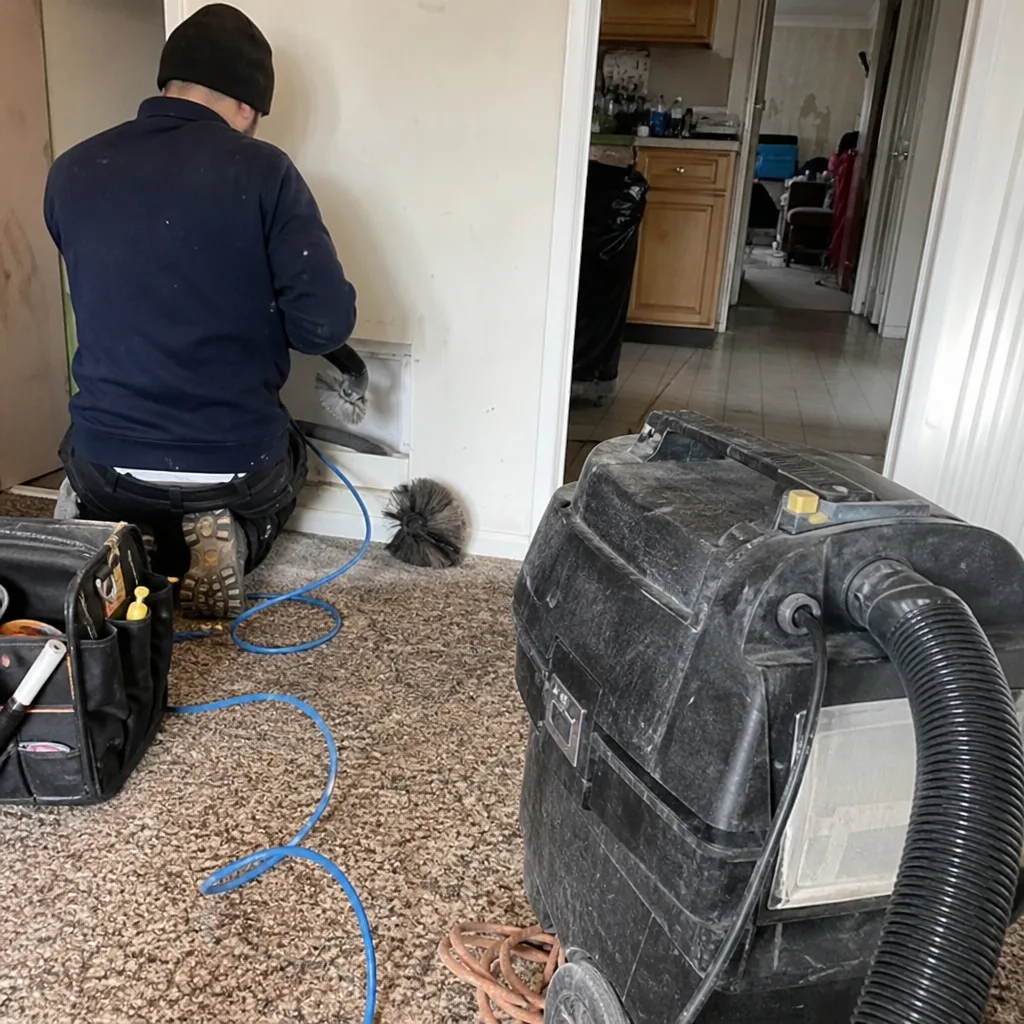 Before
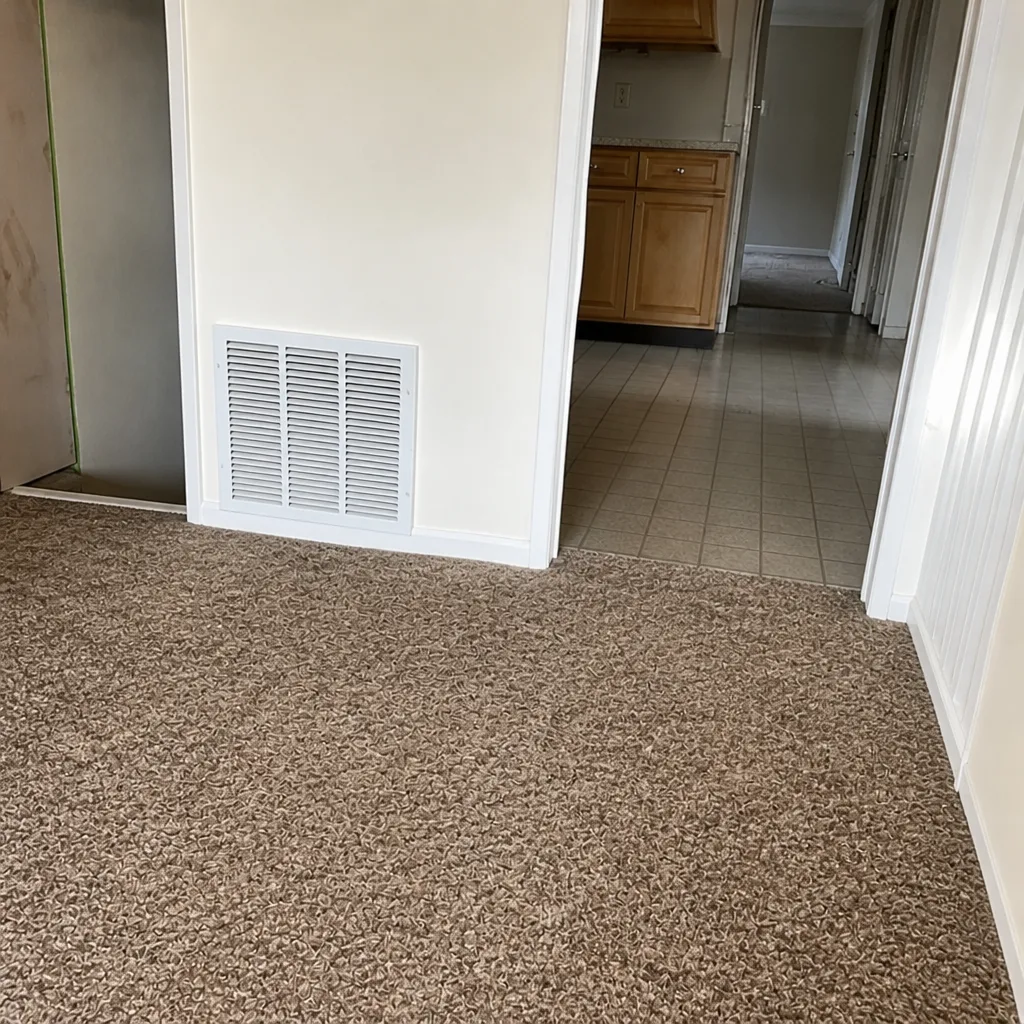 After
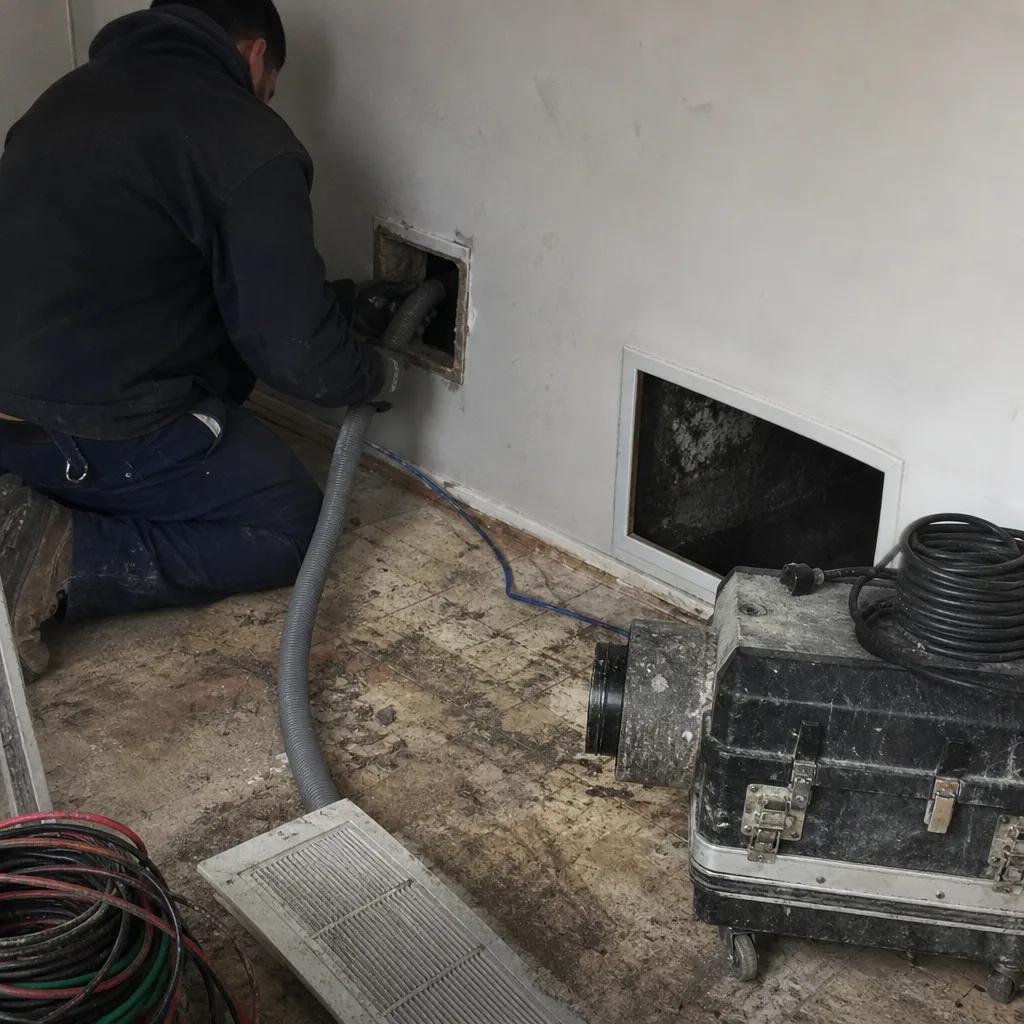 Before
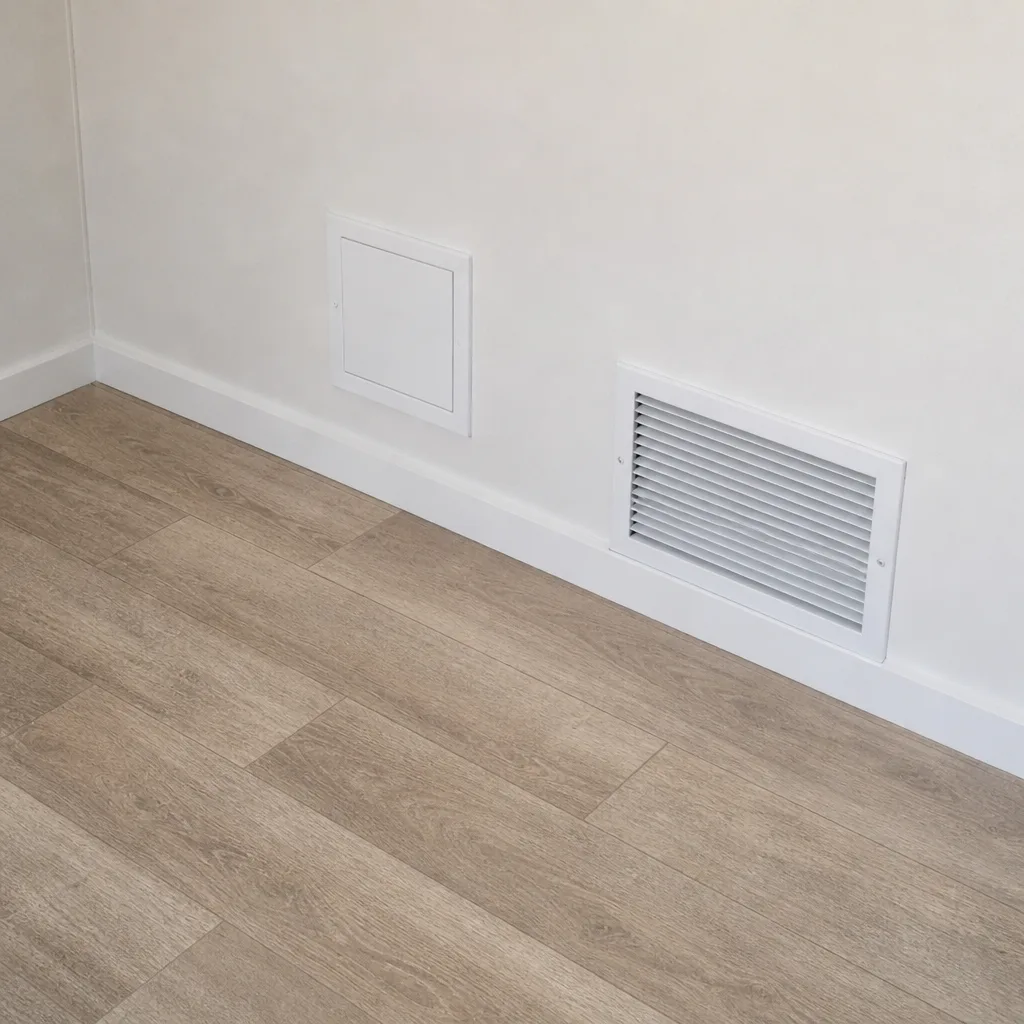 After
When to Call a Professional
Bring in a professional when you notice visible dust blowing from registers after a filter change, when airflow has dropped in rooms that used to be fine, when utility bills climb without a clear cause, or when you are moving into a Mariners Harbor home and don’t know the last time the system was cleaned. Call before you buy if the home is pre-1978 and the ducts have never been documented, so the asbestos question gets resolved early. Call if a contractor has told you a repair is needed and you want a second scope description in plain language. Air Duct Cleaning Mariners Harbor offers free estimates in Mariners Harbor. Call (844) 625-7002. We answer 24/7. Fast dispatch from 7am to 7pm, Sunday through Friday.
Frequently Asked Questions
No. Cleaning alone does not require a permit from the NYC Department of Buildings. Permits come into play when the work alters the mechanical system, such as cutting into ductwork, replacing duct sections, or installing new components. Call (844) 625-7002 for an exact scope on your system. Estimates are free.
Generally yes, when the repair alters the mechanical system, which includes replacing a duct section, adding a run, or reconnecting ductwork inside a wall cavity. Minor work is sometimes treated as maintenance, and a licensed contractor can explain which category a specific repair falls into. Ask for that explanation in writing before work begins. Call (844) 625-7002 to talk through your scope.
Duct insulation and older duct wrap in pre-1978 homes may contain asbestos, and abatement by a licensed contractor must happen before cleaning or repair proceeds. Testing and clearance come first, and the documentation stays with your property records. If we find suspect material, we stop and explain what has to happen next. Call (844) 625-7002 with questions about your building’s age.
Ask for before-and-after photos of your own ducts, taken at matched angles, plus a written scope describing the equipment used. Photos are the only verification that survives the visit. The same records help if you ever file an insurance claim or sell the property. Call (844) 625-7002 to schedule an estimate.
Cheap quotes usually cover a short, surface-level pass with consumer-grade equipment, and the price often grows once the technician is on site. A flat price per system agreed before work starts is the structure that protects you, along with before-and-after photos and no per-vent pricing. Call (844) 625-7002 for an honest whole-system estimate.
Most homes benefit from cleaning every few years, with the interval depending on pets, smoking, recent renovation, and how well the filtration system is maintained. Homes with heavy shedding pets or recent construction usually need it sooner. A pre-1978 home with no cleaning history should be checked before it becomes a bigger job. Call (844) 625-7002 for a free assessment.
The Bottom Line
Cleaning your ducts in Mariners Harbor does not require a permit. Repairing them often does. That single line is the one to carry away from this guide: know what is being quoted, ask which part of the scope involves alteration, and confirm the permit and license situation before anyone starts work. If your home is pre-1978, resolve the asbestos question first. Keep the written estimate, the photos, and any permit documentation. And when a contractor’s answer to “does this need a permit” is a shrug, take that as the answer. Call (844) 625-7002. We answer 24/7. Fast dispatch from 7am to 7pm, Sunday through Friday.
Written by the team at Air Duct Cleaning Mariners Harbor.