
Last updated November 24, 2026
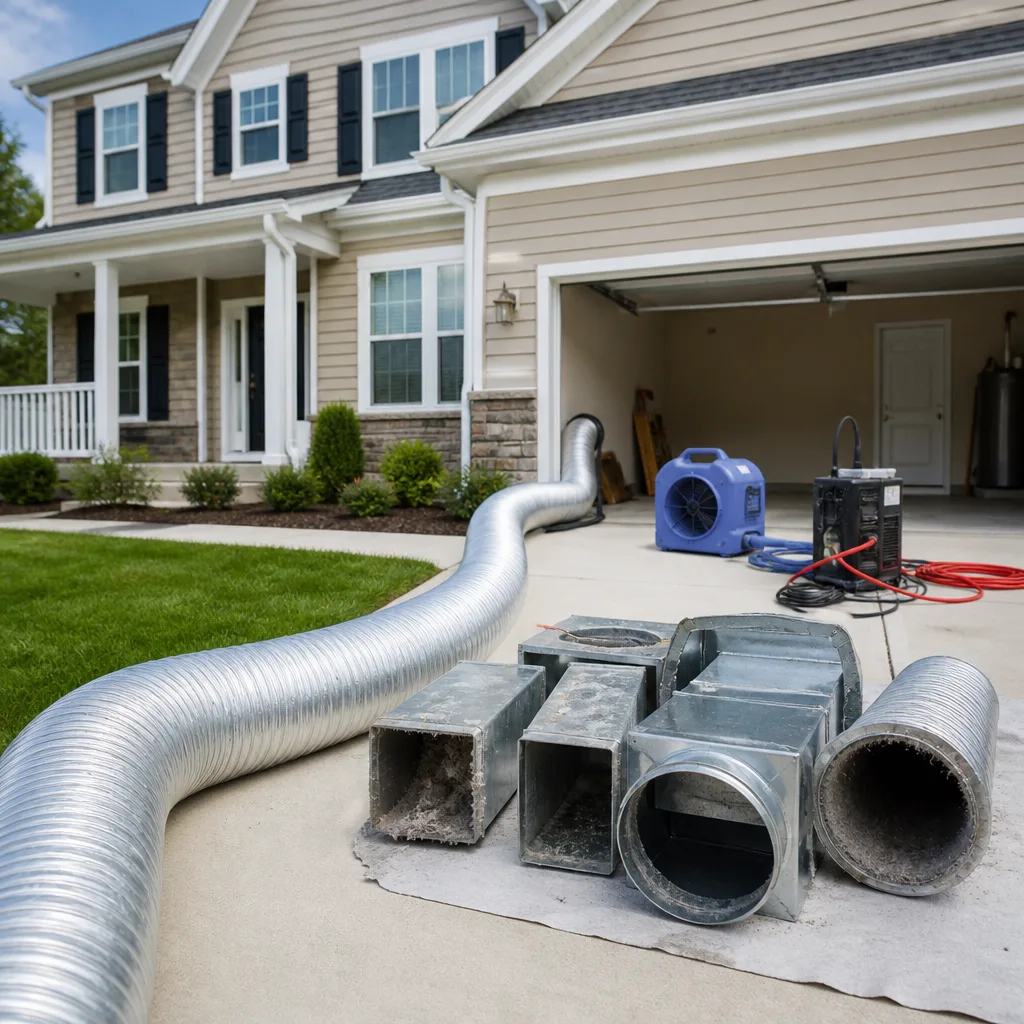 Whole-home duct cleaning
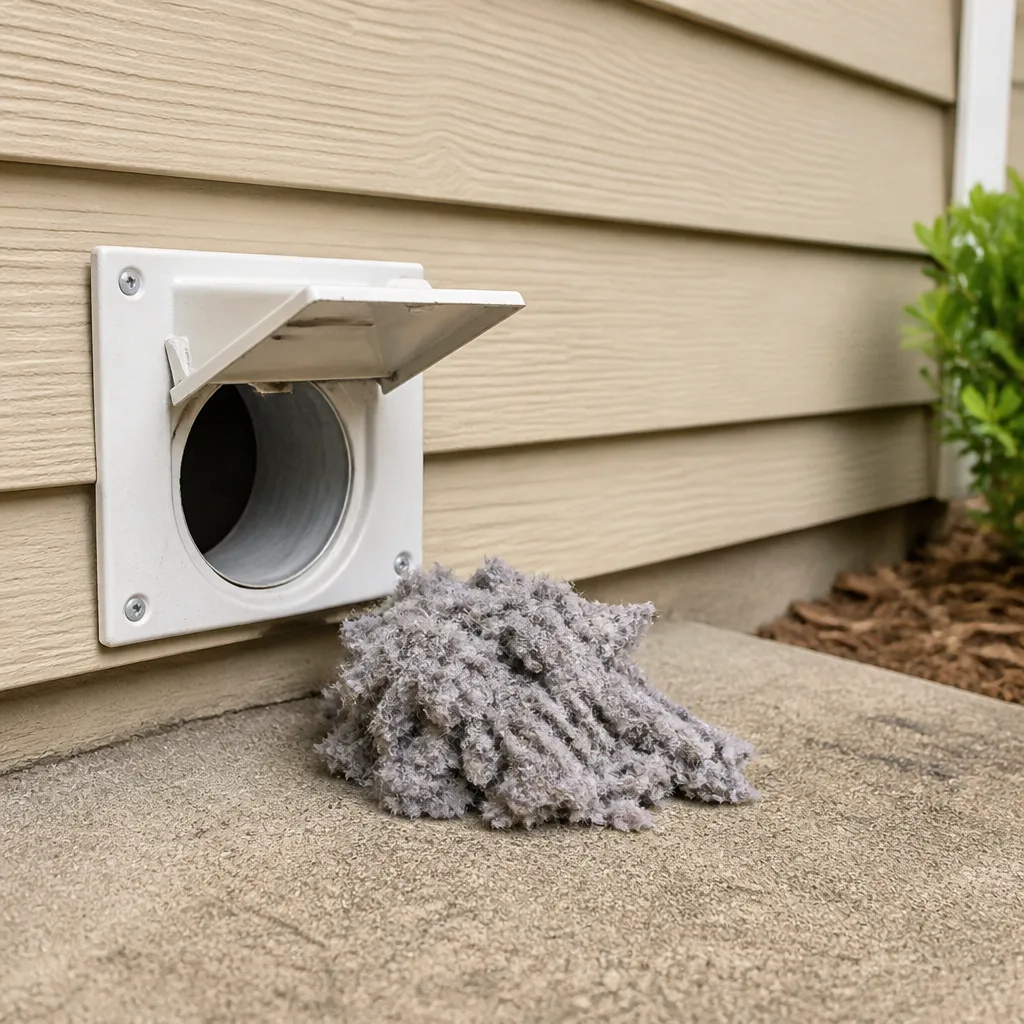 Dryer vent cleaning
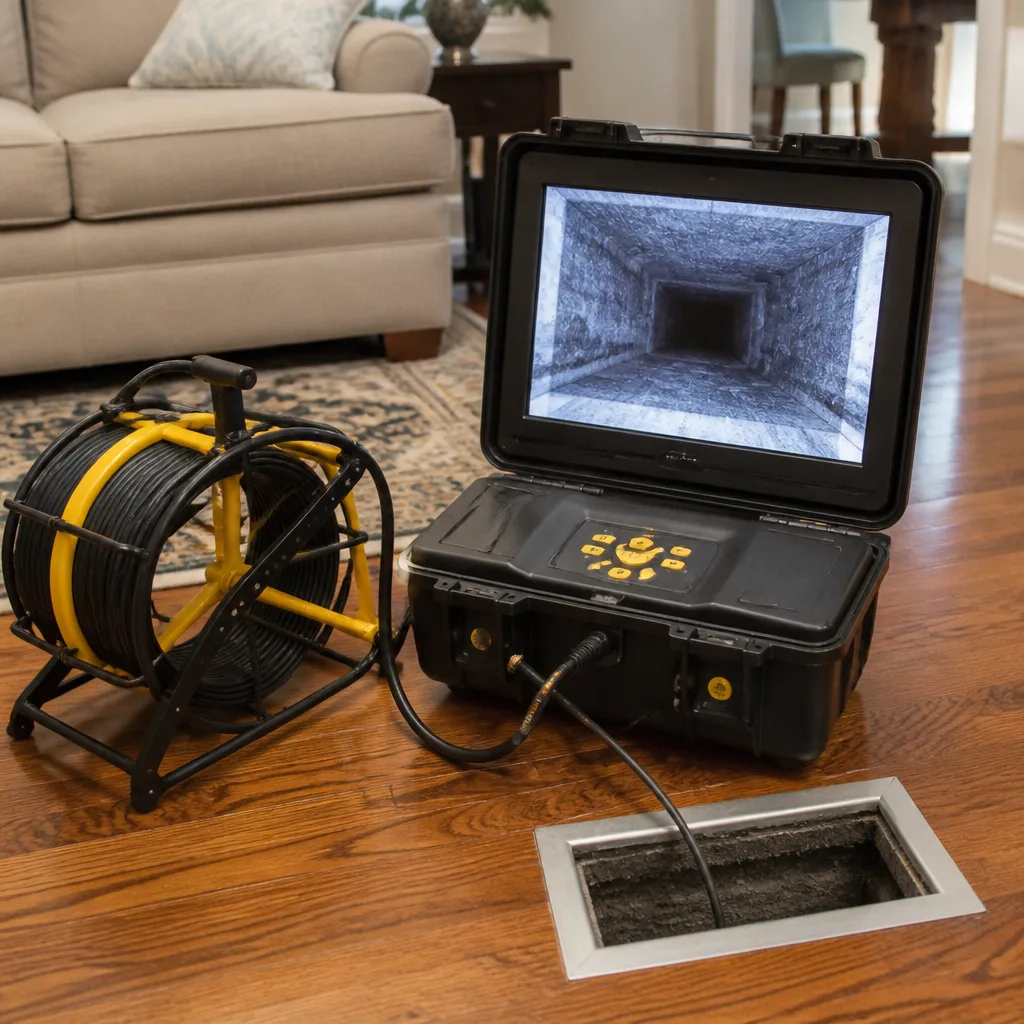 Camera inspection
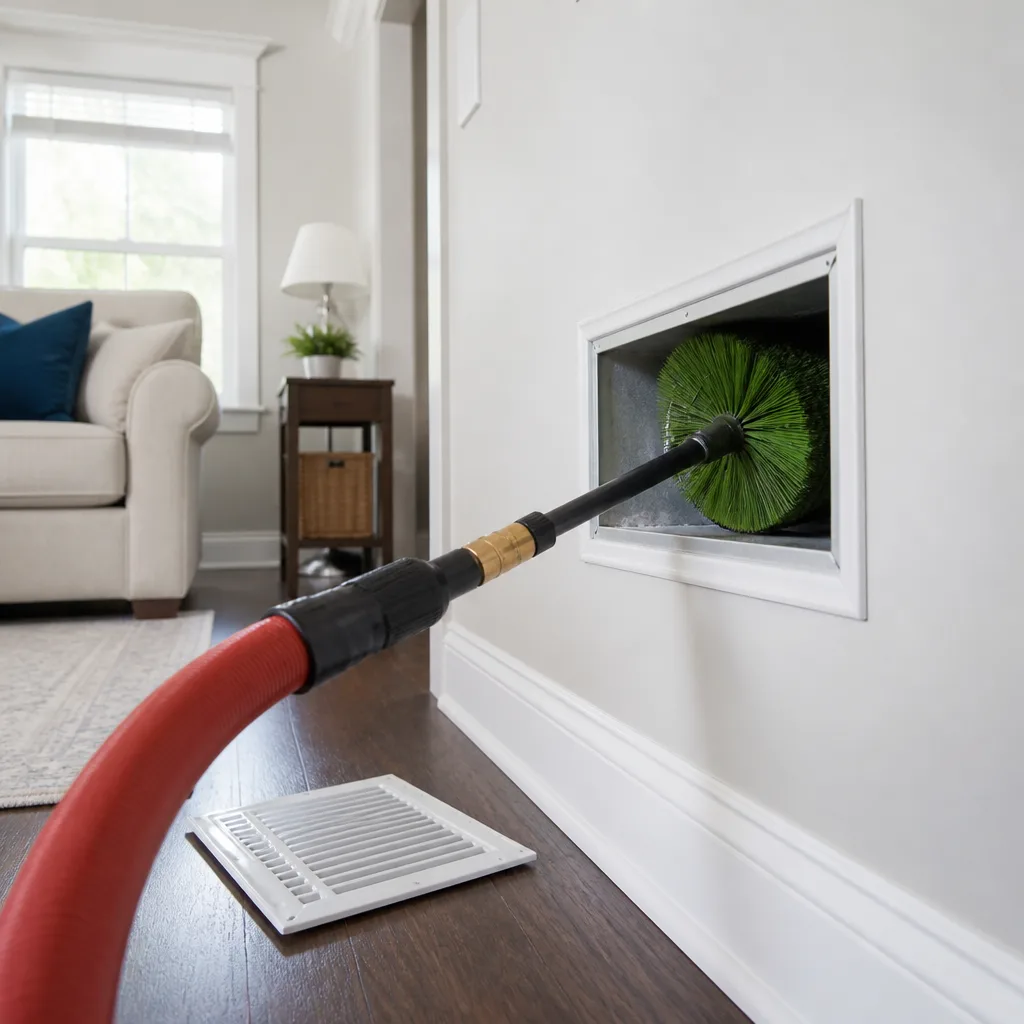 Sanitizing & deodorizing
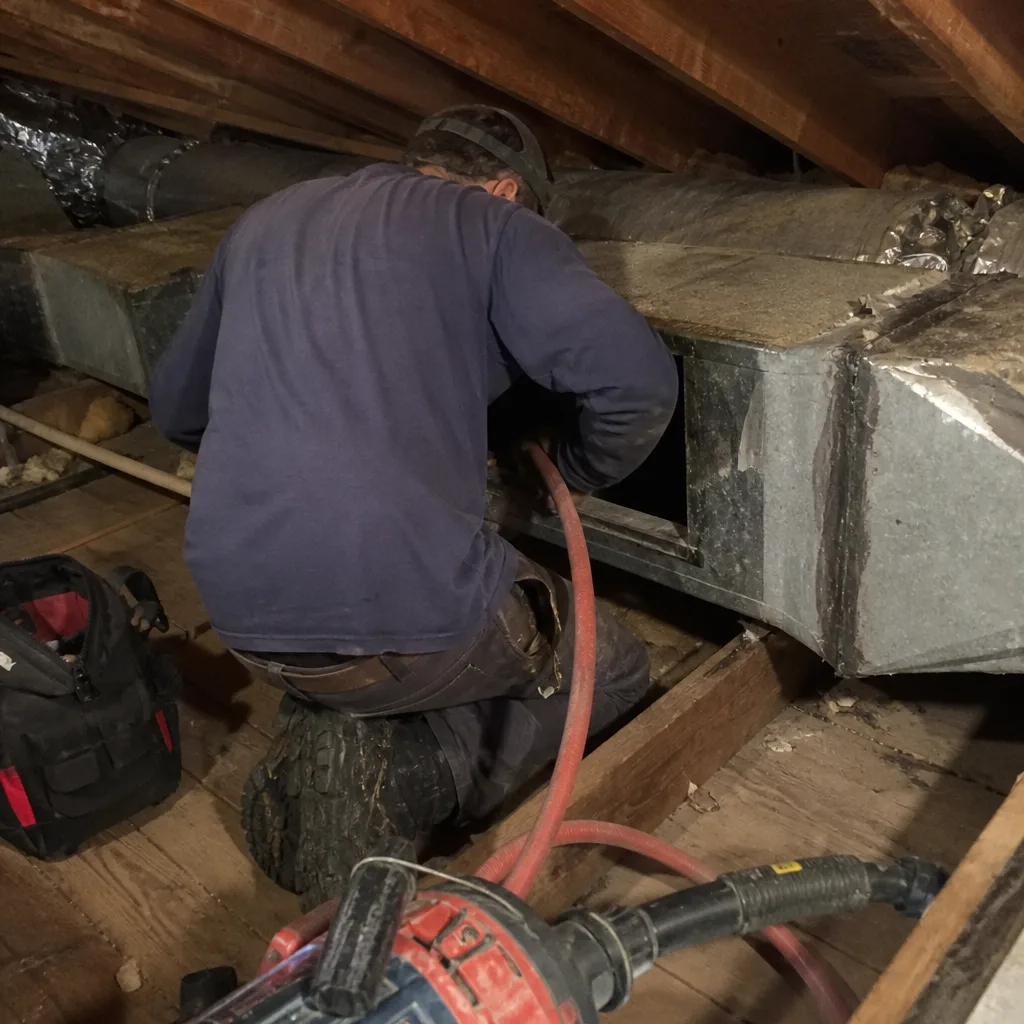
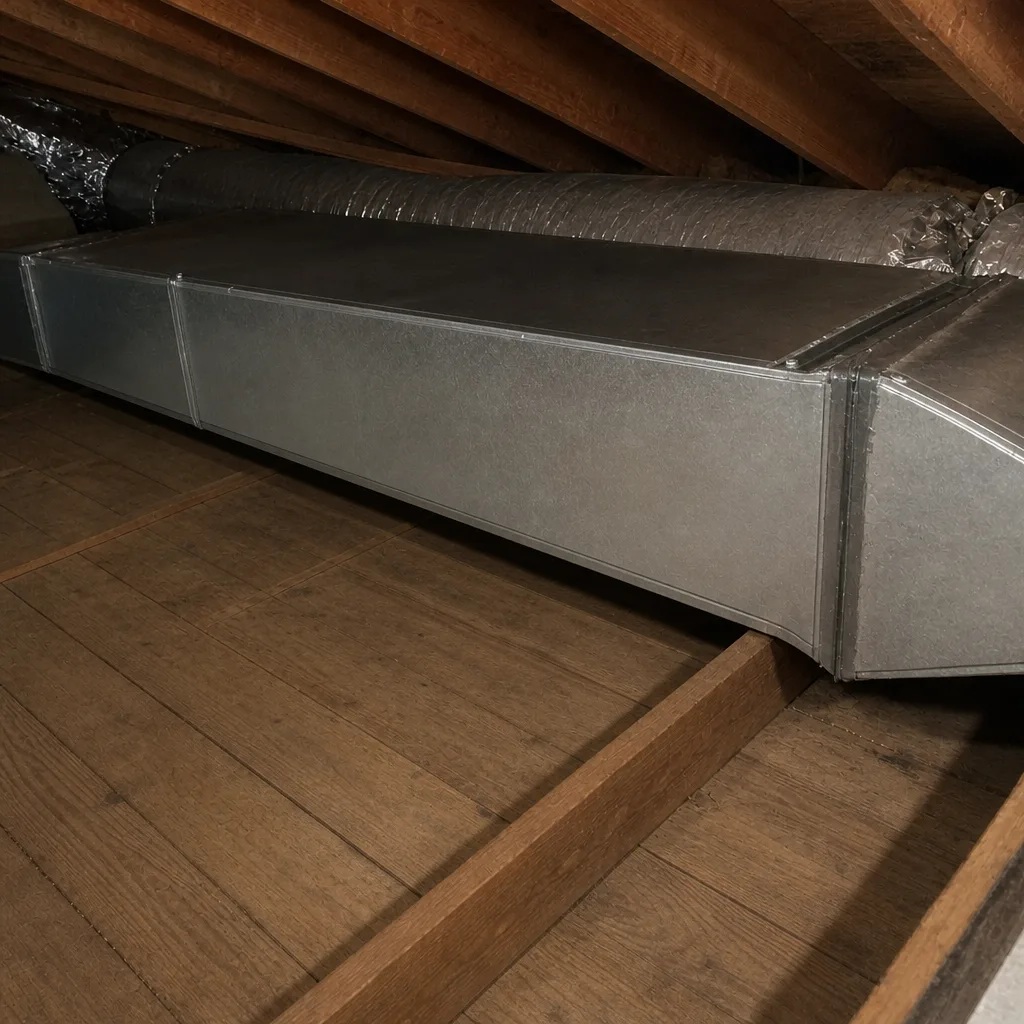
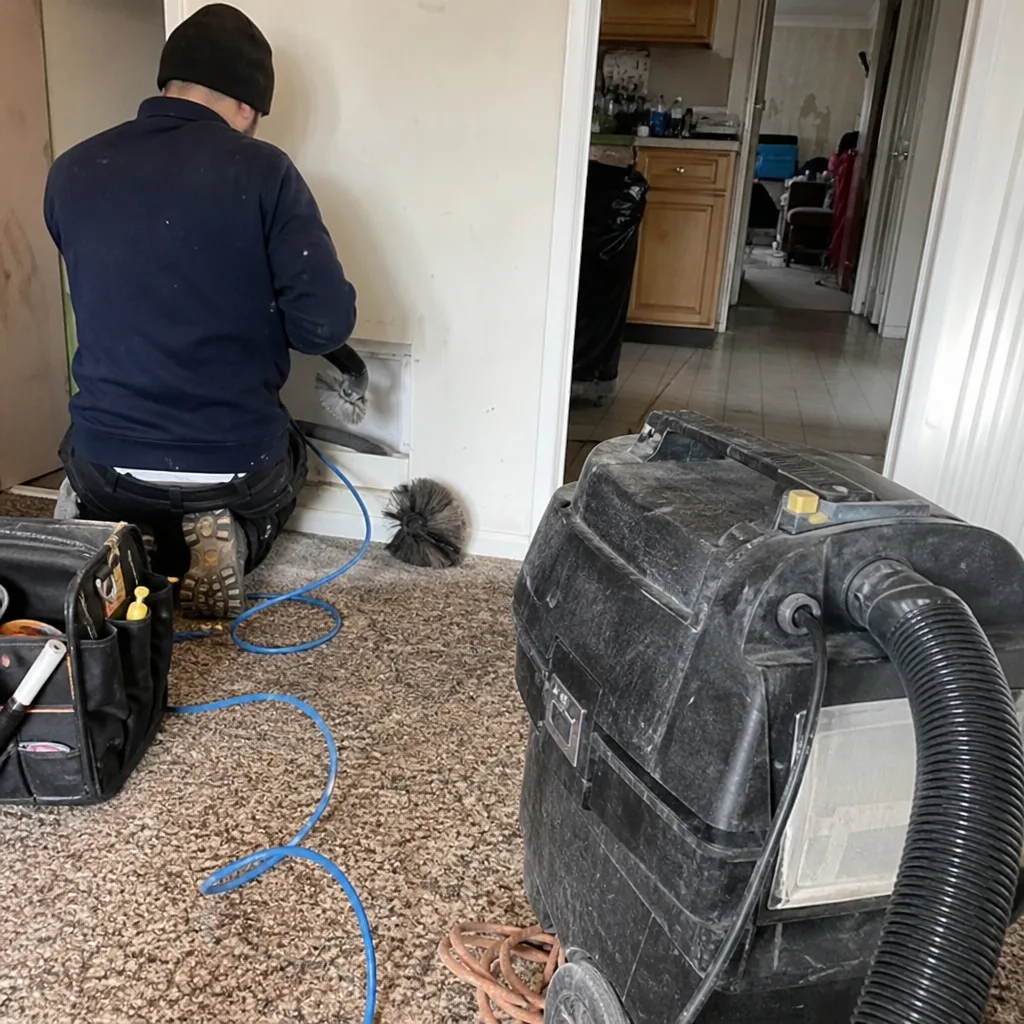
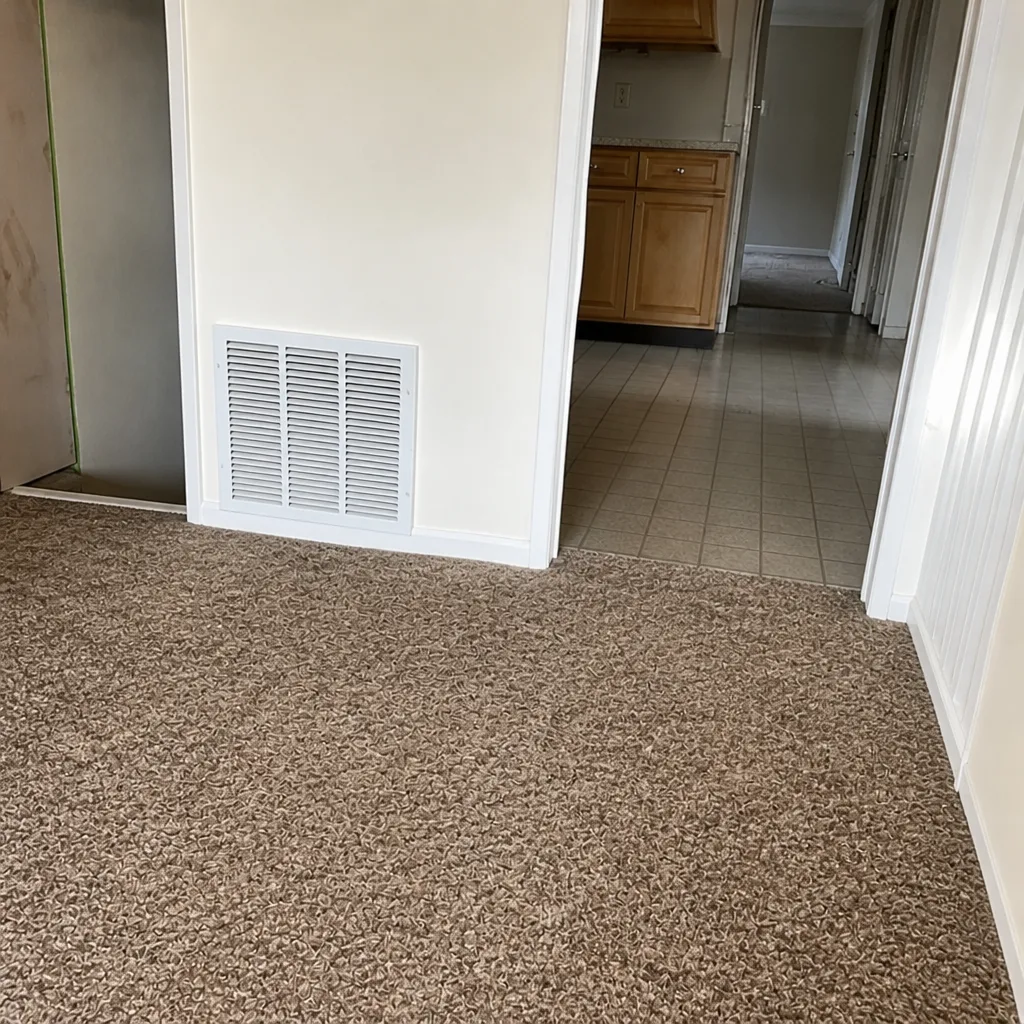
Whole-system duct and dryer vent check with before-and-after photos - you see exactly what came out of your vents
That "$99 whole-house special" is a bait ad - the real number appears once they are in your hallway, or the "clean" is a shop-vac at the register. We photograph the inside of your ducts before and after instead.
Seasonal Air Duct Cleaning Care for Mariners Harbor: Year-Round Homeowner’s Guide
Most seasonal guidance about air ducts assumes a house in a neutral climate, sealed between four walls and left to its own devices until fall. Mariners Harbor doesn’t get that luxury. This is the North Shore of Staten Island, where summer humidity climbs and refuses to drop, where the heating season runs long enough that dust bakes onto the inside of duct walls, and where the same loop that carries conditioned air through a home also carries moisture through it. A single annual cleaning schedule copied from a national blog won’t match what your ductwork actually goes through here. What follows is a season-by-season look at what’s happening inside your system in each part of the year, what to check, when to clean, and why timing matters more than most people realize.
Quick Answer
In Mariners Harbor, air ducts are best cleaned after the heating season in spring, re-checked for moisture in summer, cleaned or sealed in early fall before the system runs hot for months, and inspected midwinter if you notice odors, dust buildup, or uneven airflow. Homes here often need service more often than the generic three-to-five-year guideline because fall dust loads, winter condensation, and summer humidity build up quickly in the same system the house depends on year-round.
Styles & brands we work with
- Whole-home duct cleaning
- Dryer vent cleaning
- Camera inspection
- Sanitizing & deodorizing
Table of Contents
- Spring: The Window After Heating Season
- Summer: Humidity and Duct Interior Moisture
- Fall: Clean Before You Seal the House
- Winter: Continuous Heat and Odor Diagnostics
- Why Mariners Harbor Frequency Differs From Generic Guidance
- What Professional Cleaning Actually Involves
- Common Mistakes to Avoid
- When to Call a Professional
- Frequently Asked Questions
- The Bottom Line
Spring: The Window After Heating Season
When the heat finally clicks off for good, your ductwork is at the end of its hardest stretch. Between heating and cooling season, there’s a two-to-four-week window across Mariners Harbor when ducts sit idle, and it’s the easiest time of the year to inspect, clean, and seal because nothing is blowing through them. We like to explain it this way: the ducts are the only part of the house that gets a break in spring, and that’s exactly when you want to look closely at them.
Two seasonal issues tend to surface now.
- Cold-duct condensation. If your home used a whole-home humidifier over the winter, or if moisture came in any other way during the heating months, the ducts have been cycling between warm and cool since March. Condensation collects on the inside walls of supply runs, particularly in unheated sections like an attic run or a garage-ceiling run, and that’s where micro-growth starts.
- Winter dust load. All the dust, pet hair, and fine debris that circulated through the house during five months of continuous heat is now sitting on duct floors and registers. When the first air conditioning cycle kicks on, it redistributes.
The spring checklist we walk Mariners Harbor homeowners through looks like this:
- Inspect the interior of the duct system at the supply and return registers with a scope. Look for dark spotting on duct walls, water staining, and loose debris.
- Check the register nearest the air handler for the heaviest dust deposits – that’s usually the worst spot in the house.
- Look at the air filter housing. If the filter is saturated or the housing shows staining, moisture is present somewhere in the system.
- Confirm any humidifier plumbed into the ductwork is bled correctly and not releasing moisture into the air stream.
- Schedule cleaning now rather than August – the same dust that collects in April turns into a bigger job after a humid summer.
Spring is also the season when flexible connections and seams come apart. The thermal cycling of heating season pushes and pulls on foil tape, mastic, and flexible duct transitions. Small gaps you didn’t notice can leak in a noticeable way once the system starts blowing cool air. A visit that combines cleaning with sealing catches both problems in one trip.
Summer: Humidity and Duct Interior Moisture
Mariners Harbor summers push indoor humidity past 60% relative humidity in many homes, especially in basements and crawl spaces where ductwork often runs. Once the inside of a duct crosses that threshold – often called the mold-supporting range – the conditions exist for microbial growth even without any visible water damage. That’s the part most homeowners miss. You don’t need a leak in the duct for something to grow in it. You need humid air and a surface to condense on.
In our experience, this is where a light “spot-clean every five years” routine starts to fail. The interior of ductwork becomes an incubator in July and August, particularly on sections running through unconditioned spaces. Here’s what to monitor as the summer goes on:
- Register-level musty smell on first air conditioning startup. A quick puff of musty odor when the AC cycles on is common and usually means moisture built up somewhere between the last heating season and now.
- Visible condensation on register grilles or the supply plenum. Condensation on the outside of a duct can mean condensation on the inside too.
- Recurring allergy symptoms indoors during peak humidity. If symptoms track the weather and not the outdoor pollen count, the duct system deserves a look.
- Basement or crawl space humidity above 60%. A small dehumidifier running in a basement can pull the whole system’s interior below the mold-supporting threshold. It’s a cheap addition to your duct cleaning plan.
When we clean a Mariners Harbor system in July or August, we bring in Abatement Technologies air filtration equipment to scrub the air during the work. In humid conditions, dislodged dust turns into airborne material quickly, and without an air scrubber you’re just moving contamination from the ducts into the breathing space. The filtration runs for the whole job, not just part of it. Professional-grade equipment, not portable shop-vacs, is what keeps the process controlled when humidity is high.
If you haven’t had the system looked at since the last heating season, summer is the right time for a moisture inspection and light cleaning rather than a wait. Catching microbial growth early is far less work than dealing with a fully colonized duct wall in October.
Fall: Clean Before You Seal the House
By late September, many Mariners Harbor homeowners start closing windows, switching over to heat, and running the furnace daily for the first time since spring. It’s the natural moment to seal the house up for winter. It’s also the moment to clean the duct system, and those two steps need to happen in that order. Cleaning before the house goes into heating season is the single most valuable seasonal habit in this climate, because once the furnace runs continuously, whatever is inside the ducts goes through every room in the house, over and over, for five or six months.
Running heat through contaminated ducts is different from running air conditioning through them. The air handler is pushing warm, dry air that lifts light dust off the duct walls and carries it into the living space. Furnace heat also raises static in the ducts themselves, which draws airborne particles toward them. The result is a home that feels dustier in November than it did in August, even when nothing in the house has changed except the thermostat setting. If you notice a fresh layer of dust on furniture after the first week of heat, the ducts are the likely source.
Our fall recommendation for a Mariners Harbor home:
- Clean the full duct system, supply and return, including the plenum and blower housing.
- Seal accessible duct joints and any flexible connections that have pulled apart over the summer.
- Check the air filter and replace it with a fresh one before heating season.
- Sanitize the duct interior if there’s any sign of prior moisture – this is where Aprilaire and Honeywell-compatible treatments come into play, since they plug into existing whole-home filtration hardware.
- Confirm the return-air path is unobstructed from every room you plan to heat.
Fall is also the season when a duct repair identified during spring inspection becomes urgent. A loose joint that leaked a little cool air in June can leak a lot of hot air in December, and every leak is money out of the window. Cutting that loss before the heating bill climbs is one of the few times duct work pays you back the same season.
Winter: Continuous Heat and Odor Diagnostics
Once the heating system runs continuously through December and January, duct issues show up in two forms: odors and dust, sometimes uneven airflow. Understanding which type of odor you’re smelling tells you whether the problem is in the ducts, the furnace, or a connected appliance, and that distinction matters for safety.
Here’s a quick diagnostic breakdown for the Mariners Harbor homeowner during heating season:
- Musty or “old basement” smell at the registers: duct-side issue, usually microbial or moisture-related, from the previous warm months. Cleaning and sanitizing addresses it.
- Dusty smell, no identifiable source, throughout the house: dust accumulation inside the duct system being lifted by warm air. Cleaning is the fix.
- Dry or burning-dust smell in the first week of heat: usually dust burning off the heat exchanger. If it persists past a week, it deserves a professional HVAC inspection – not just a duct cleaning.
- Rotten egg or sulfur smell near the furnace or flue: this is a combustion and gas concern, not a duct problem. Leave the house and call your gas utility or a licensed HVAC technician immediately. Never treat a gas smell as a duct cleaning issue.
- Persistent soot or black residue near supply registers: a combustion concern that points to backdrafting. Call a licensed HVAC technician before running the system again.
What to check when heating runs continuously:
- Filter condition every four to six weeks during heating season – dust loads climb fast in a home that never opens windows.
- Even airflow from supply registers. A room that gets cold in December while the thermostat reads fine usually has a duct-side restriction or a closed damper.
- Return-air filter grille dust levels, especially in homes with pets.
- Interior of accessible flex duct connectors for tears – cold weather makes foil and flexible duct brittle and more likely to crack.
For genuinely dangerous components in this house – gas lines, combustion flues, electrical work near the furnace – we recommend a licensed trade professional. Duct cleaning is not a substitute for combustion safety checks, and no honest duct specialist will pretend otherwise.
Why Mariners Harbor Frequency Differs From Generic Guidance
The most cited industry guideline recommends cleaning air ducts every three to five years. For most of the country, that’s a reasonable baseline. Mariners Harbor sits on Staten Island’s North Shore, with a seasonal cycle that pushes on the ducts from several directions at once, and in our experience homes here often benefit from a tighter schedule. Not double, not dramatic, but tighter – typically re-inspecting annually and cleaning every two to three years for homes near the water or in older housing stock, longer intervals for newer construction in less humid spots.
Why? Because the three forces that matter most to ductwork all show up in the same Mariners Harbor year:
- Longer sustained humidity season. Staten Island summers reach deeper into September than inland neighborhoods. That extends the window for interior moisture and microbial activity.
- Longer heating season. Heating here starts earlier and runs later than the national average, which means more months of warm air circulating through whatever is sitting on the duct floor.
- Mixed housing stock. Mariners Harbor has a mix of postwar homes, townhouses, and newer builds, each with different duct design. Older homes often have thinner insulation and more joints, and each seam is a spot where dust and moisture collect.
The waterfront itself shapes the schedule in a specific way. Homes near the North Shore run their air conditioning harder in July and August than homes inland, because the humid air feels warmer. More runtime means more circulation and more of the “pumping” effect that moves fine dust through the system each day. For those homes, a two-year cleaning interval usually makes more sense than three, and an annual inspection is worth the visit.
If you want a concrete answer for your house, an inspection is the way. Call (844) 625-7002 for a free estimate. We answer 24/7. Fast dispatch from 7am to 7pm, Sunday through Friday.
What Professional Cleaning Actually Involves
A proper duct cleaning is not a vacuum waved through a register. It’s a controlled mechanical process, done with equipment designed for it, and the sequence matters as much as the tools. When we clean a Mariners Harbor home, we walk through the same stages every time so the homeowner knows what’s happening and why.
- Source capture. We place Abatement Technologies air filtration equipment in the work areas to capture dislodged particulates during cleaning rather than letting them recirculate into the home. The scrubber runs for the whole job.
- Negative pressure setup. The system is connected to an extraction unit – typically a Rotobrush rotary-brush or Nikro high-powered vacuum – so the ducts stay under negative pressure and dust flows toward the capture point.
- Mechanical agitation. Rotary brush tools work the interior walls of supply and return runs. Rotobrush is the industry benchmark for this step, and it’s the equipment we use, along with Nikro brand systems where power or configuration calls for it.
- Component cleaning. The blower housing, the plenum, the coils (where accessible), and the return-air drops get cleaned as part of the same visit. This is where HVAC cleaning overlaps with duct cleaning – one crew, full scope.
- Repair and sealing. Torn flex connections, loose boots, and separated joints get repaired and sealed while the system is open. You can read more about that side of the work in our guide to duct repair and sealing.
- Sanitizing and treatment. If the system has any moisture history, we apply an EPA-registered sanitizer. Guardsman-grade protective treatments are available as part of our Air Quality & Sanitizing service tier. Aprilaire and Honeywell-compatible filtration upgrades integrate with the whole-home hardware you already have.
- Verification. Before-and-after photos at each register and inside the duct runs are captured so you can see the difference before and after. The photos go to you, not just into a folder.
This is the same equipment specified by industrial hygienists and restoration contractors. That’s not a marketing phrase – it’s the reason a proper job stays contained. Nikro, Rotobrush, and Abatement Technologies are all name-brand systems in professional duct work, and using them on a Mariners Harbor home is what keeps the process from becoming a five-minute sweep.
Residential or light-commercial, the process is the same. Property managers who oversee multi-unit buildings in Mariners Harbor get the same scope, with scheduling built around unit turnover.
See the difference
 Before
 After
 Before
 After
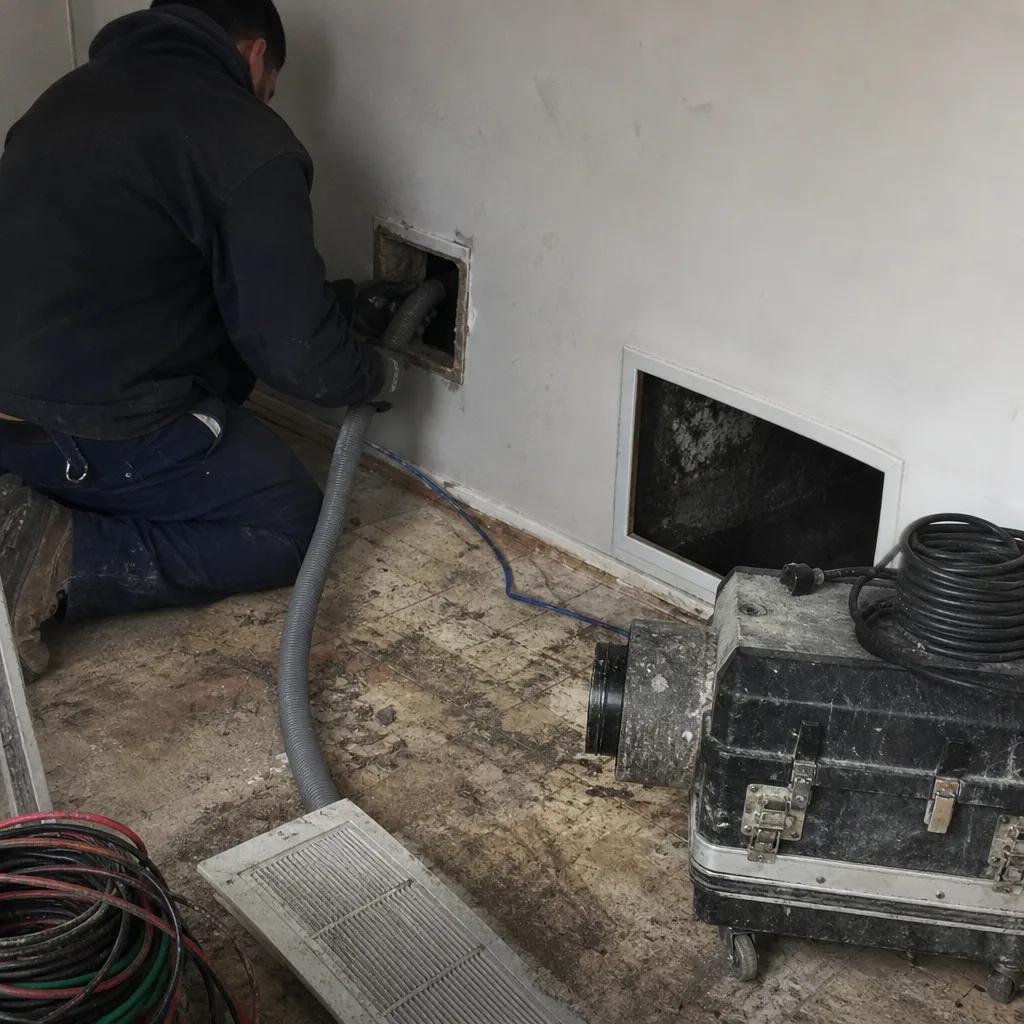 Before
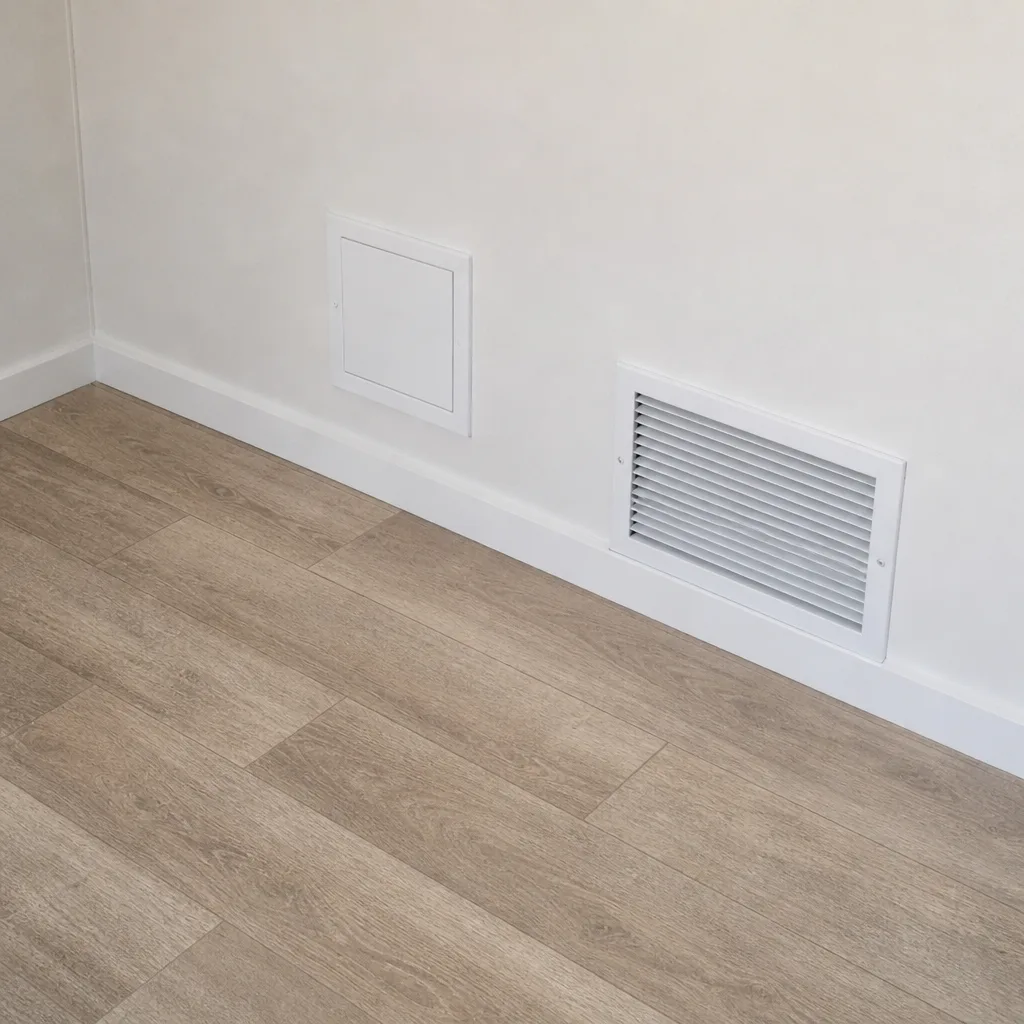 After
How Often Should You Really Clean Ducts in a Mariners Harbor Home?
Most Mariners Harbor homes do best with an annual inspection and a full cleaning every two to three years, shorter intervals for older homes or homes near the waterfront, and longer intervals for newer construction in drier, less humid sections. The three-to-five-year figure that circulates nationally is a floor, not a ceiling. Local climate and housing stock determine the actual schedule.
A practical breakdown looks like this:
- Older Mariners Harbor homes with hard-duct systems and thin insulation: inspect annually, clean every two to three years.
- Townhouses and homes near the North Shore: inspect annually, clean every two to three years.
- Newer construction with sealed systems and conditioned attic runs: clean every three to four years is often sufficient.
- Homes with pets, occupants with respiratory conditions, or recent renovation: clean sooner, often every eighteen months.
- Any home that has had water intrusion or a duct leak: clean immediately after the repair, then follow the two-to-three-year cycle.
The one-time cleaning that pays off fastest is the one done before a known contamination event takes hold – spring mold prevention, fall dust removal, or post-renovation cleanup. Waiting for the schedule to come around means living with the problem for another heating season or two.
Dryer vent cleaning is also worth slotting into the annual routine. Most duct cleaners treat dryer vent work as an upsell. We treat it as a standalone service because lint buildup in a dryer vent is a fire-risk category in its own right, and a vent with a long run or multiple elbows hides accumulation well. If your dryer is taking longer than it should to dry a load, the vent is usually the reason. That service is covered in detail on our page about dryer vent cleaning.
Common Mistakes to Avoid
- Cleaning only the supply registers you can see. The return-air side and the plenum are where the heaviest dust usually sits. If a service visit only touches the visible registers, it’s not a full cleaning.
- Assuming a musty smell will go away on its own. In Mariners Harbor’s humidity, microbial growth in ducts doesn’t self-resolve when the weather changes. The cool season doesn’t kill it – it just stops the smell from circulating until the next heating season.
- Treating a gas smell near the furnace as a duct issue. A sulfur or rotten-egg smell is a combustion and safety concern. Leave the house, call your gas utility, and don’t let anyone run a duct cleaning brush through the system until it’s been cleared.
- Running the system during cleaning without negative pressure. Dislodged dust without source capture is just airborne contamination. Professional air filtration during the work is what keeps the process safe.
- Skipping the fall cleaning and hoping heating season pushes it out. It doesn’t. Heat lifts whatever was already there and sends it through every room in the house.
- Hiring per-vent pricing. A price per vent encourages the cheapest possible work at each register, not a whole-system clean. Whole-system pricing agreed before the work starts is the fair approach.
- Ignoring dryer vent cleaning because “the dryer still works.” Lint accumulation builds slowly and shows up as a drying-time problem long before it becomes a fire problem.
When to Call a Professional
Some seasonal duct work is a routine decision; some is a response to something you’ve noticed. Call a professional for a Mariners Harbor home when any of these describe your system:
- You’ve never had the ducts cleaned and the house is more than a few years old.
- You notice musty odor at registers, dust accumulating faster than usual, or uneven airflow room to room.
- There’s been water intrusion, a duct leak, a renovation, or a pest issue in the ductwork.
- A family member has respiratory symptoms that track indoor air quality rather than outdoor conditions.
- Your dryer is taking longer to dry loads or the outside vent flap runs weak.
- You’re sealing up the house for winter and haven’t cleaned since spring.
Air Duct Cleaning Mariners Harbor offers free estimates in Mariners Harbor – call (844) 625-7002. We answer 24/7. Fast dispatch from 7am to 7pm, Sunday through Friday. Every estimate is set per job in writing before work starts, and every cleaning includes before-and-after photos of your own system.
Frequently Asked Questions
Most Mariners Harbor homes benefit from an annual inspection and a full cleaning every two to three years, which is tighter than the national three-to-five-year guideline because of the longer heating season and the humid summer stretch. Homes near the North Shore or in older housing stock tend to need the shorter interval. Every cleaning includes before-and-after photos so you can see what was removed. Call (844) 625-7002 for a free estimate – we’ll inspect and recommend based on your system.
A musty smell at the registers in fall usually means microbial activity built up in the ductwork during the humid summer months and got lifted into the house once the heating system started running. Cleaning the duct system and applying a sanitizing treatment addresses it. If the smell is sulfur or like rotten eggs, don’t treat it as a duct issue – leave the house and call your gas utility. Call (844) 625-7002 for a free duct estimate.
It can, if the humidifier isn’t bleeding correctly or is releasing more moisture into the air stream than the ducts can handle. A whole-home humidifier keeps the house comfortable through Mariners Harbor winters, but the moisture it adds can condense on cool duct surfaces when the heating itself isn’t running steadily. A spring inspection catches it. Call (844) 625-7002 for a free estimate.
Ask for before-and-after photos of the interior of your ducts and the registers, and check them yourself. That’s why our process captures them at every visit. Whole-system pricing agreed in writing before work starts also protects against the bait-and-switch pattern where a low teaser price grows once the technician is on site. Call (844) 625-7002 for a free estimate.
Yes. Dryer vents clog gradually, so the dryer keeps working long after airflow has dropped. Longer drying times are the usual first sign, and a restricted vent is a fire-risk category that most duct specialists deprioritize. We offer dryer vent cleaning as a standalone service in Mariners Harbor so it doesn’t need to piggyback on a bigger job. Call (844) 625-7002 for a free estimate.
The North Shore’s humidity progression and the length of the local heating season push contamination cycles faster than the Staten Island average, so cleaning intervals here tend to be shorter. Older housing stock and mixed duct designs add to it. If you’ve been following a generic five-year schedule, an inspection is worth scheduling now. Call (844) 625-7002 for a free estimate.
The Bottom Line
Mariners Harbor ductwork runs a year-round contamination cycle that a one-time cleaning never touches. Spring is for inspecting what the heating season left behind. Summer is for watching moisture and treating anything that’s taken hold. Fall is for cleaning and sealing before the house closes up. Winter is for watching odors and airflow as heat runs continuously. Homes here often need a slightly tighter cleaning interval than the national guideline, and the fixes that pay off fastest – annual inspection, source-captured cleaning with professional equipment, sealed leaks, and a clean dryer vent – are all things you can plan around the seasons instead of reacting to. Our technicians have up to 8 years of experience, and we treat every Mariners Harbor home as a whole system, not a set of registers. If you want a professional-grade clean, you can read more about air duct cleaning or start with our overview of Air Duct Cleaning Mariners Harbor. One crew, full scope. When you’re ready, call (844) 625-7002 for a free estimate. We answer 24/7. Fast dispatch from 7am to 7pm, Sunday through Friday.
Written by the team at Air Duct Cleaning Mariners Harbor.