
Last updated November 24, 2026
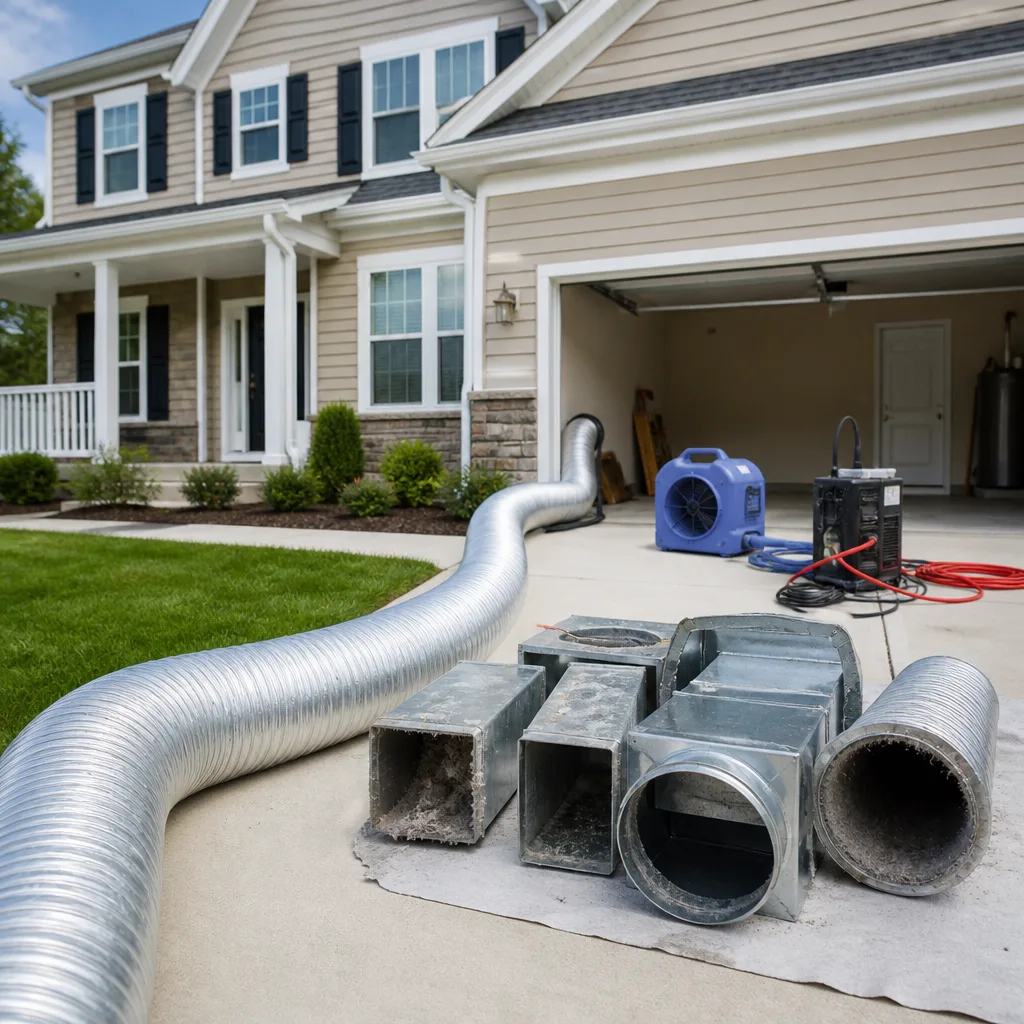 Whole-home duct cleaning
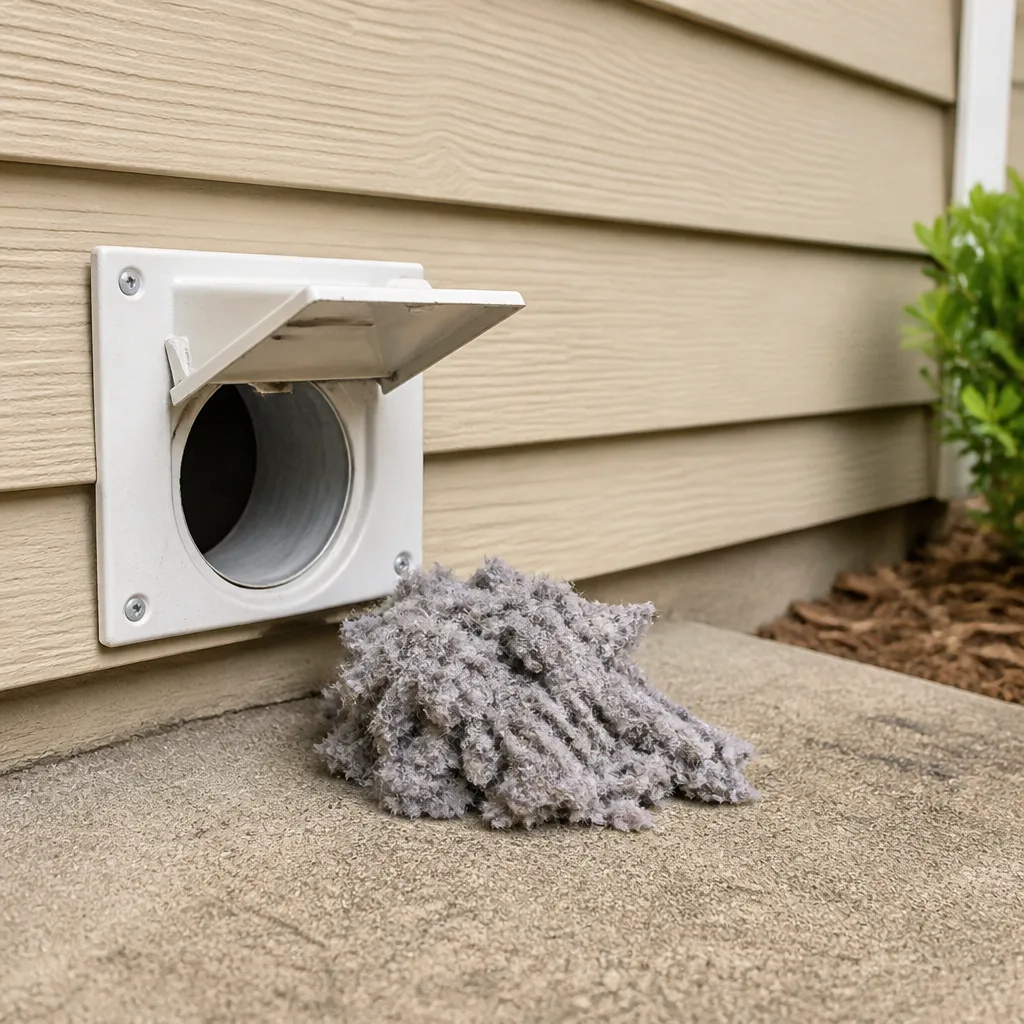 Dryer vent cleaning
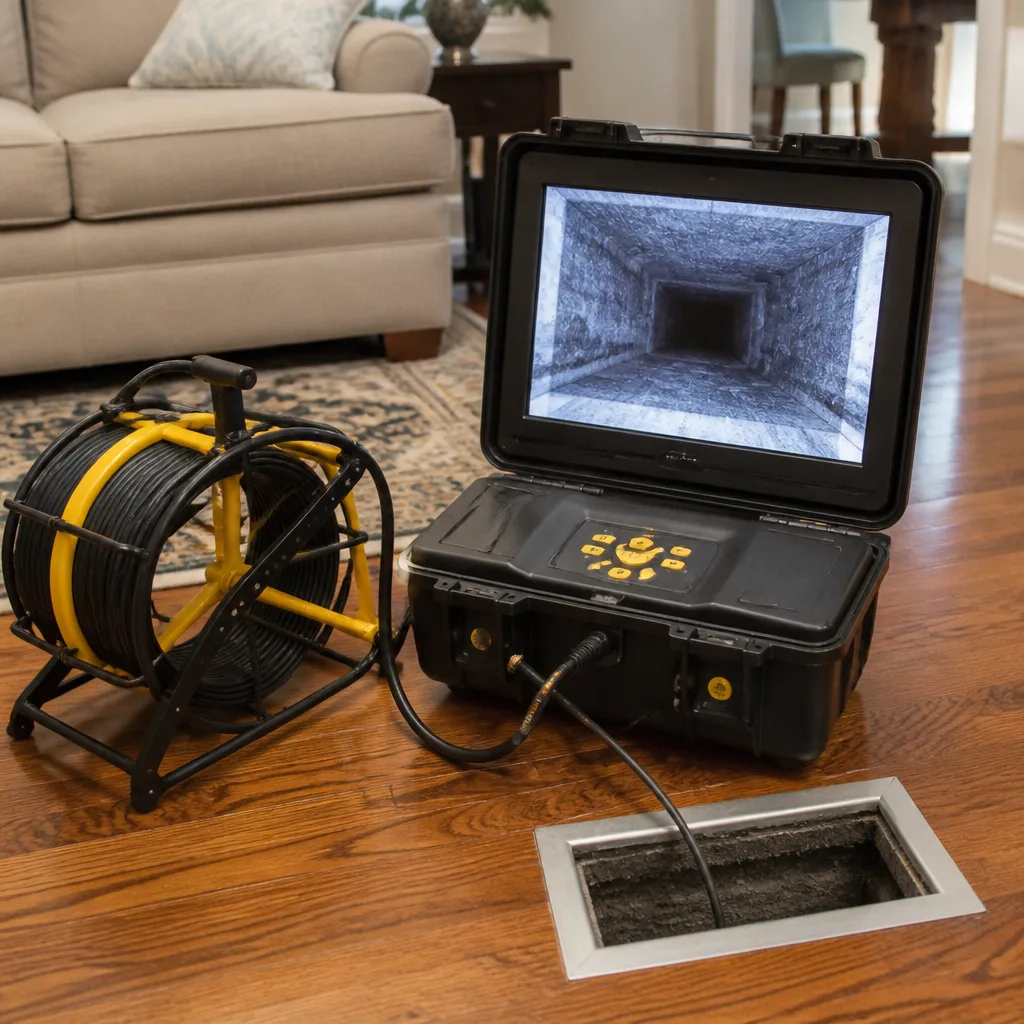 Camera inspection
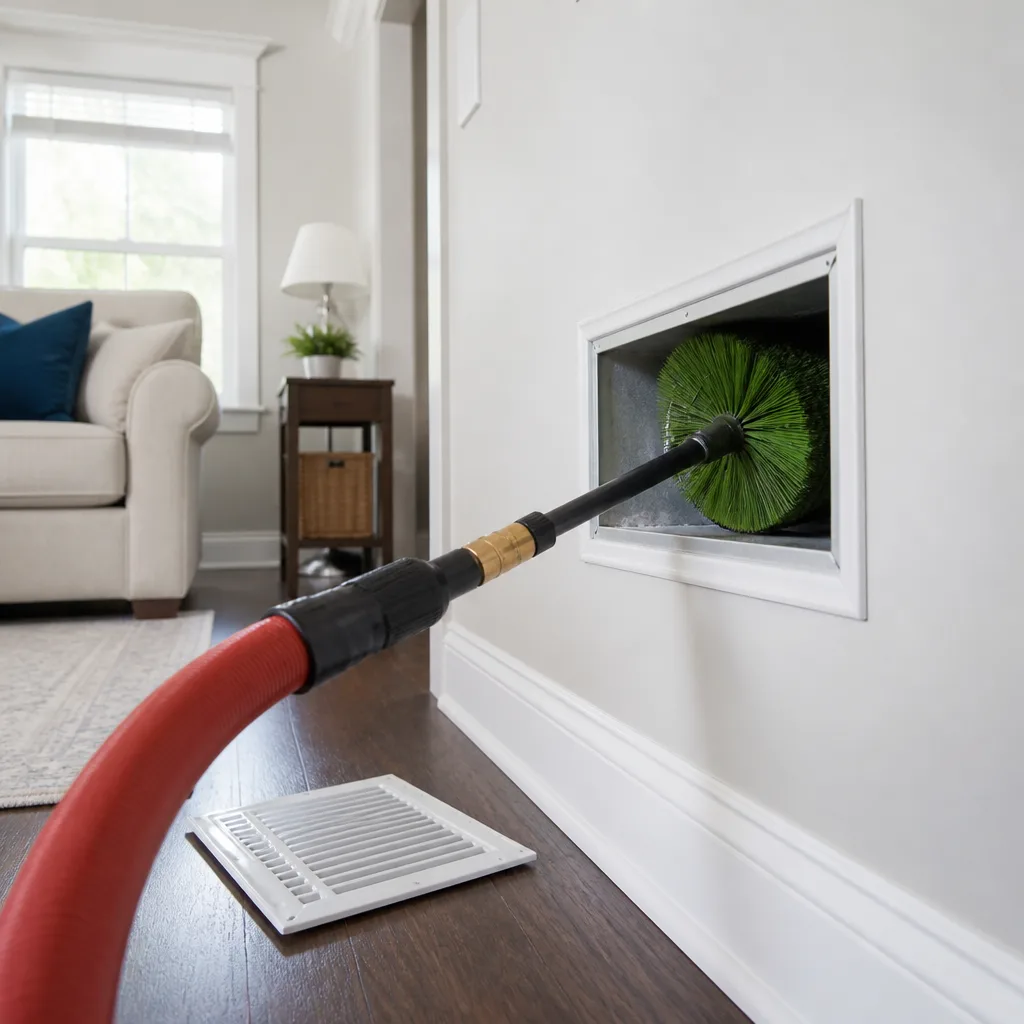 Sanitizing & deodorizing
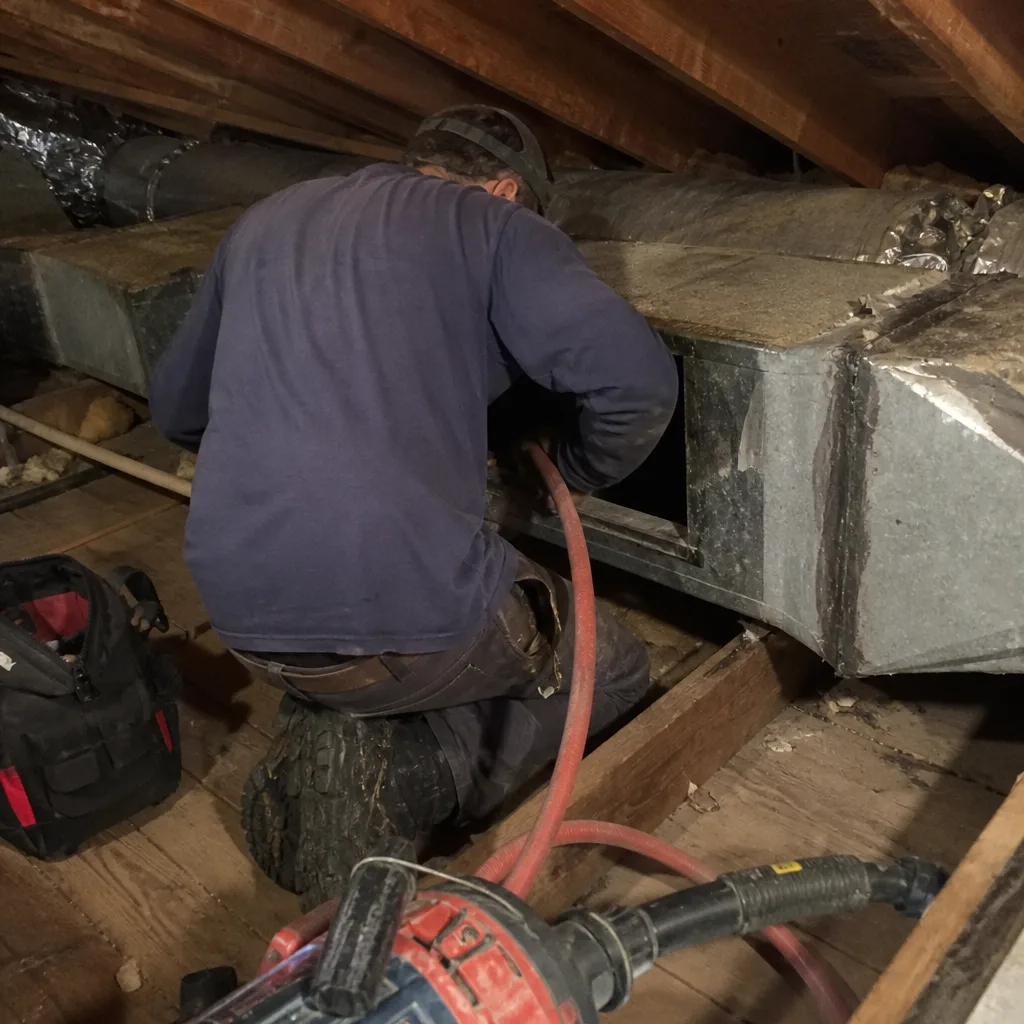
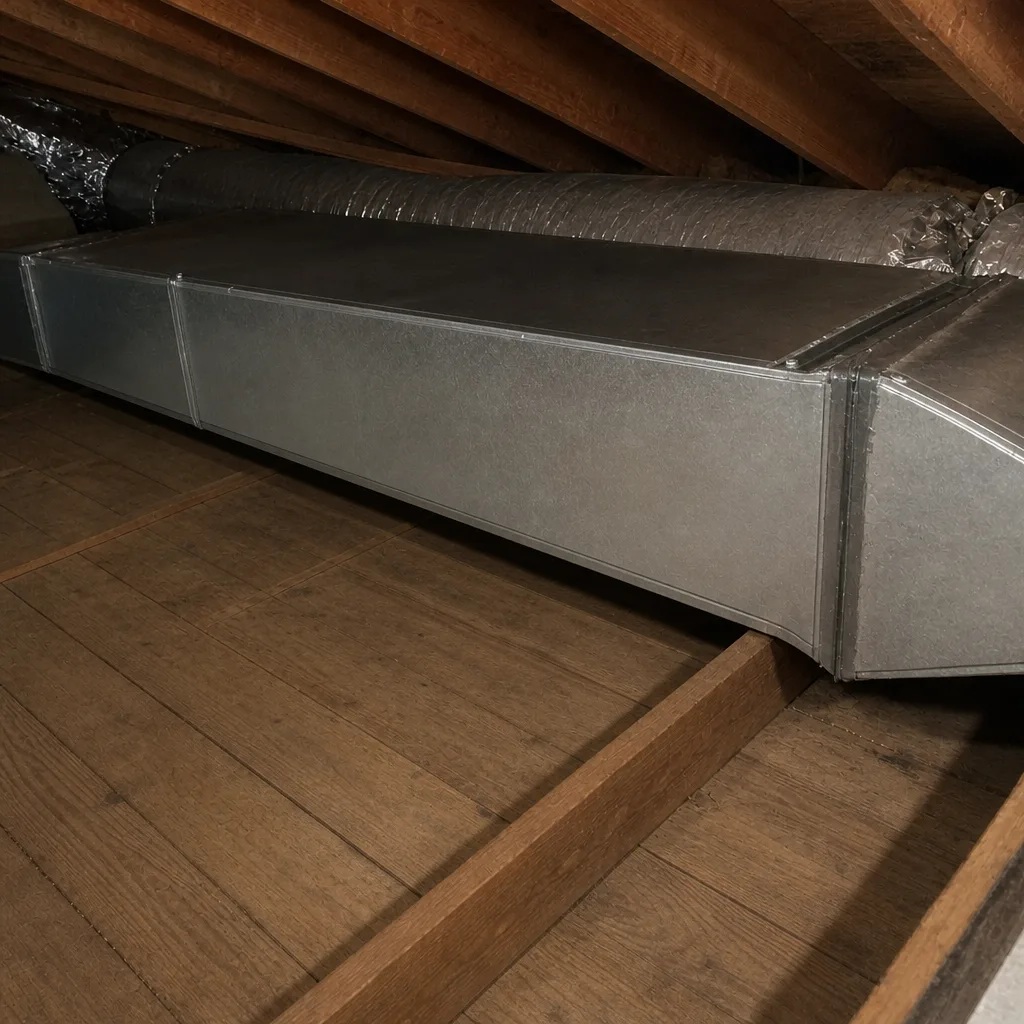
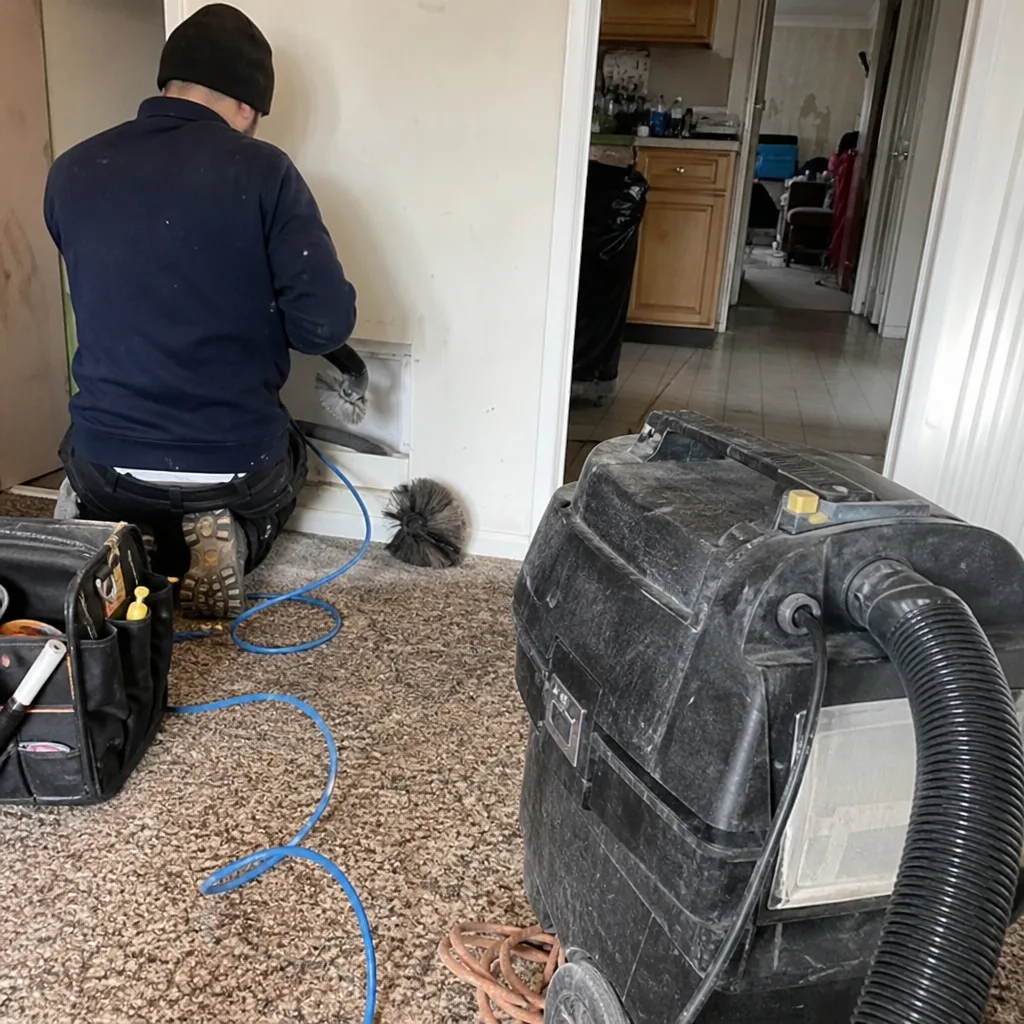
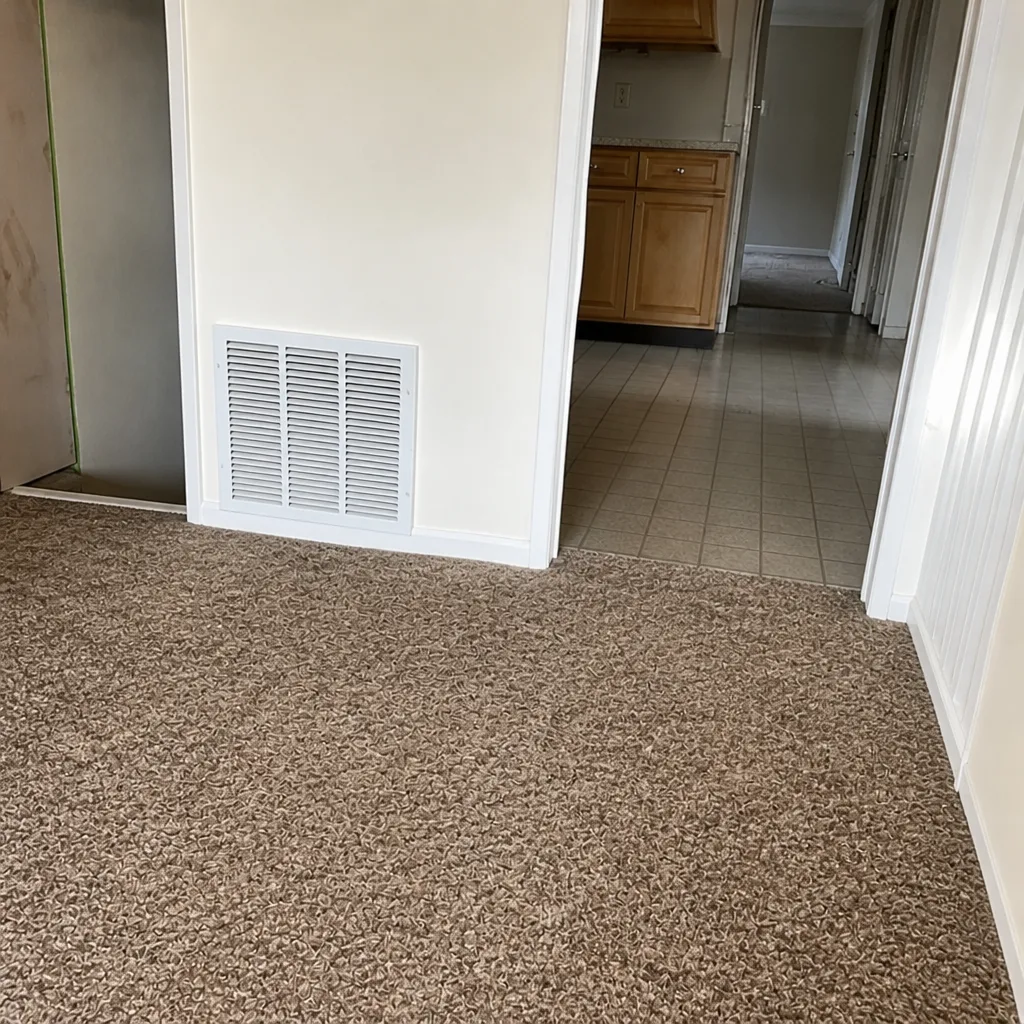
Whole-system duct and dryer vent check with before-and-after photos - you see exactly what came out of your vents
That "$99 whole-house special" is a bait ad - the real number appears once they are in your hallway, or the "clean" is a shop-vac at the register. We photograph the inside of your ducts before and after instead.
How to Hire an Air Duct Cleaning Contractor in Mariners Harbor: A Step-by-Step Guide
New York State does not require a specialty license to offer air duct cleaning services. Anyone with a van and a vacuum can legally knock on your door, hand you a business card, and call themselves a professional. That single fact explains why the buying experience in this trade feels so uneven: the burden of telling a real contractor from an opportunist falls on you. This guide is built to carry that weight. You’ll learn the four equipment questions worth asking before you schedule, what NADCA membership does and doesn’t tell you, the bait-and-switch patterns that surface across the New York metro market, and how Mariners Harbor’s mix of capes, colonials and attached row homes changes what a good contractor actually has to plan for.
Quick Answer
Hiring a duct cleaning contractor in Mariners Harbor means verifying equipment first, scope second, price structure third. Ask what machine they run, how many CFM it pulls, which brush system they use, and how they hold negative pressure during the job. Get a written scope of work before anyone starts, and treat any per-vent or flat teaser price as a reason to keep looking. A legitimate contractor will happily answer all of it before scheduling you.
Styles & brands we work with
- Whole-home duct cleaning
- Dryer vent cleaning
- Camera inspection
- Sanitizing & deodorizing
Table of Contents
- Why New York Doesn’t License Duct Cleaners
- The Four Equipment Questions to Ask First
- What NADCA Membership Really Means
- Red Flags in the NY Metro Market
- How to Request a Scope of Work
- Why Local Housing Knowledge Matters
- Why One Flat Price Per System Beats Per-Vent Pricing
- How to Verify the Work Was Actually Done
Why New York Doesn’t License Duct Cleaners
There’s no state-issued air duct cleaning license in New York, and there’s no specialty certification required to perform the work. A general contractor who handles your kitchen renovation isn’t automatically equipped for ductwork, and neither is a handyman with a wet/dry vac. The trade is largely unregulated at the entry level, which means credentials you’d expect to check in other home services simply don’t exist for this one.
What fills that gap is voluntary membership and equipment investment. NADCA, the National Air Duct Cleaners Association, publishes a cleaning standard and offers certification, but membership is optional. Equipment is optional too. Nothing stops a two-person operation from advertising Air Duct Cleaning Mariners Harbor and arriving with consumer-grade tools.
For homeowners in Mariners Harbor, this changes the hiring conversation. You’re not verifying a license number, because there isn’t one to verify. You’re verifying process. The questions that matter are about how the contractor creates airflow, agitates debris, and captures what comes loose, because those are the three things a cheap job skips.
Property managers overseeing multiple units face the same problem multiplied. A single building with several HVAC systems needs a contractor who can document scope per system, not one who quotes a bulk number and works fast enough to make it profitable.
The Four Equipment Questions to Ask First
Before you schedule anything, ask these four questions. A contractor who does this work regularly will answer without hesitation. One who dodges them, or answers in vague terms, has told you something useful.
- What machine will you bring? Truck-mounted units, portable high-powered extractors, and consumer vacuums are three different tiers of equipment. Ask for the model name. Professional systems carry recognizable names, and a contractor should know theirs cold.
- What’s the CFM rating? CFM, cubic feet per minute, measures how much air the machine moves. Higher airflow pulls debris out of the system rather than stirring it loose into your living space. A contractor who doesn’t know their machine’s rating isn’t operating it with much attention.
- Which brush system do you use? Rotary brush systems agitate debris off duct walls so the extractor can capture it. Without mechanical agitation, dust that’s bonded to the duct surface stays there. Ask whether the brush system is branded and whether it reaches the full run of each branch line.
- How do you create and maintain negative pressure? This is the question that separates a real job from a mess. Negative pressure means the vacuum pulls air inward through the system so loosened debris travels toward the machine, not out your supply registers into the room. Ask where the machine connects, how registers are sealed during cleaning, and what happens to dislodged particles.
That last point is where equipment quality becomes obvious. Systems like Abatement Technologies air scrubbers are deployed on-site to capture particulates during the cleaning process rather than recirculating them into the home. When you ask about negative pressure, a contractor who names that kind of filtration is describing a controlled process. One who says “the vacuum handles it” is not.
What NADCA Membership Really Means
NADCA membership is a genuine signal, but it’s one data point, not a guarantee. The association sets an industry standard for how duct systems should be cleaned, and many contractors who hold membership follow it closely. Membership also means the company has chosen to participate in a professional body, which filters out the least serious operators.
What it doesn’t guarantee: membership isn’t a license, it isn’t enforced by the state, and it doesn’t tell you what equipment shows up at your door. A member company can still run an undersized machine. A capable non-member can still do excellent work with Rotobrush or Nikro systems and a documented process.
Use it as one signal among several. The stronger picture comes from combining NADCA status with equipment questions, a written scope of work, and a price structure that’s clear before work begins. If a contractor leads with a logo but can’t describe their negative-pressure setup, the logo is doing less work than the conversation.
Brand names in equipment carry similar weight. Nikro is trusted by NADCA-certified contractors and disaster restoration professionals. Rotobrush rotary brush systems are an industry benchmark for mechanical agitation and extraction. When a Mariners Harbor contractor names those systems and can explain why, they’re speaking from practice.
Red Flags in the NY Metro Market
The bait-and-switch pattern in this trade is consistent enough that it’s worth naming plainly. It starts with an unrealistically low advertised price and ends with an invoice far larger than what was quoted. Here’s what to watch for.
- A whole-house offer at a coupon-level price. A number that low can’t cover the labor and equipment a real cleaning requires. It’s bait, and the price climbs once the technician is in the door.
- Per-vent or per-register pricing. Charging by vent creates an incentive to find problems and add vents. It also makes your final cost unknowable until the count is done. Whole-system pricing is honest pricing.
- Pressure to add services on-site. A technician who arrives with a scope of work they didn’t discuss and pushes sanitizing, sealing, and repairs in the same breath is selling, not assessing.
- No written estimate before work begins. If you can’t read the price and the scope on paper before anyone starts, you don’t have a quote. You have a hope.
- “Your ducts are the worst we’ve seen” as a sales line. Every home gets the same reaction. Ask for photos instead. See the difference before and after.
- Vans with no identifying information and no documentation. Ask for a business name, a written estimate, and a receipt that itemizes the work. Any reluctance is your answer.
A contractor worth hiring will explain what they found and what they recommend, and will put it in writing before touching your system. That’s the whole test.
How to Request a Scope of Work
Before work begins, ask for a written scope of work. This is a one-page document that lists what will be cleaned, how, and what you’ll be charged. It protects you in a dispute and forces the contractor to commit to specifics.
A proper scope of work should include:
- The number of supply and return lines covered
- The equipment to be used, by name and type
- Whether the air handler, blower, and coil are included
- How registers and grilles will be handled during cleaning
- The negative-pressure method and any filtration equipment on site
- Whether sanitizing or sealing is included or available separately
- The total price, stated as one number per system
- What documentation you’ll receive afterward, including before-and-after photos
Reputable contractors write this without complaint. If a contractor pushes back, or says it’s not necessary, you’ve found a reason to call someone else. The document isn’t bureaucratic; it’s the difference between a defined job and an open-ended one.
In our experience, Mariners Harbor homeowners who ask for a scope of work end up with a cleaner result and fewer follow-up questions. The document does the arguing for you before it’s needed.
Why Local Housing Knowledge Matters
Duct access isn’t universal. The layout of a home determines how a cleaning gets done, and in Mariners Harbor the housing stock spans several styles that each require a different approach.
Cape cods, common throughout the area, have short second floors and often tight knee-wall spaces where duct runs turn sharply. A contractor who knows the type plans for the turn before they open a panel. Colonials have longer runs and more branches, which extends cleaning time and makes branch-line coverage a real scope question. Attached row homes share wall assemblies, which means returns and duct chases can be tucked into spaces a freestanding house doesn’t have, and a contractor who’s worked them knows where to look.
This matters because a cleaning that doesn’t reach the far end of a run isn’t a cleaning. It’s a partial job with a full invoice. When you’re comparing quotes, ask whether the contractor has worked your style of home and how they handle access. A local specialist will have a specific answer. A drive-in operation from outside the area usually won’t.
The heating season also shapes when this work is worth doing. In a cold-climate market, systems run hard through the winter, and debris that settles during the off months gets pushed through the living space when heat comes back on. Cleaning before the season, or at its end, is a practical rhythm.
Why One Flat Price Per System Beats Per-Vent Pricing
A single flat price per system, agreed before work starts, is the only pricing structure that doesn’t reward the contractor for finding more problems. It also gives you a number you can plan around.
Per-vent pricing inverts that. Every register added to the count is more revenue, and the count is decided by the person charging for it. You won’t know your total until the technician has walked the whole house and totaled it up. That’s not a quote; it’s an auction with one bidder.
When you compare estimates, ask each contractor to price the whole system as one figure. Then ask what’s included at that price and what falls outside it. Sealing, sanitizing, and repair work should be presented as separate line items if they’re needed, not folded into a number that appears at the end.
Our approach is to quote the full system as one price and to agree it before work begins. No per-vent arithmetic. No surprise add-ons. The written estimate sets the final price, and the work either matches the scope or it doesn’t.
It’s also worth asking about the full scope in one visit. Duct cleaning, repair, sealing, and sanitizing handled by one crew means you’re not coordinating three vendors and guessing at the schedule.
How to Verify the Work Was Actually Done
Ask for before-and-after photos of your own ducts. Not stock images, not a brochure, not a slideshow on a tablet. Photos of the system they just cleaned, taken during the job.
This is the most direct verification available to a homeowner, and it’s reasonable to expect it. Ductwork is inside walls and ceilings, so you can’t inspect it afterward yourself. The contractor can. A crew that documents their work has a reason to do it properly, and you have a record if something looks wrong later.
Alongside the photos, look for:
- A receipt that itemizes the systems cleaned and any services added
- A note of anything observed during cleaning, such as disconnected joints or damaged flex duct
- Confirmation of what filtration or sanitizing was applied, and whether it’s compatible with your existing whole-home system
Systems built around Aprilaire and Honeywell components are common in Mariners Harbor homes, and a post-clean sanitizing or filtration product that works with those systems integrates cleanly rather than working against them. Ask which product they’re using and whether it’s designed for your setup.
If a contractor can’t or won’t show you the work, that’s information. The photo record is a normal part of a professional job, not a special request.
Common Mistakes to Avoid
- Choosing on price alone. The lowest quote in Mariners Harbor is usually the one with the most room to grow once the technician is inside. Price matters, but structure matters more.
- Not asking which machine is coming. A quote doesn’t tell you what equipment arrives. Ask for the model name and CFM rating before you book.
- Accepting a per-vent quote without a total. If the price depends on a vent count you can’t verify, you’ve agreed to an open number. Ask for whole-system pricing instead.
- Skipping the scope of work. Without a written document, you have no way to compare quotes or settle a disagreement about what was included.
- Assuming a logo settles the matter. NADCA membership, brand names on a website, and positive reviews are signals, not proof. Pair them with equipment questions and a written estimate.
- Ignoring the dryer vent. Dryer vent cleaning is a separate fire-risk category that some duct cleaners deprioritize. Ask about it during the same visit rather than leaving it for later.
- Booking a cleaning before checking the housing layout question. A cape cod, colonial, and row home each need a different access plan. Ask whether the contractor has worked your style of home.
See the difference
 Before
 After
 Before
 After
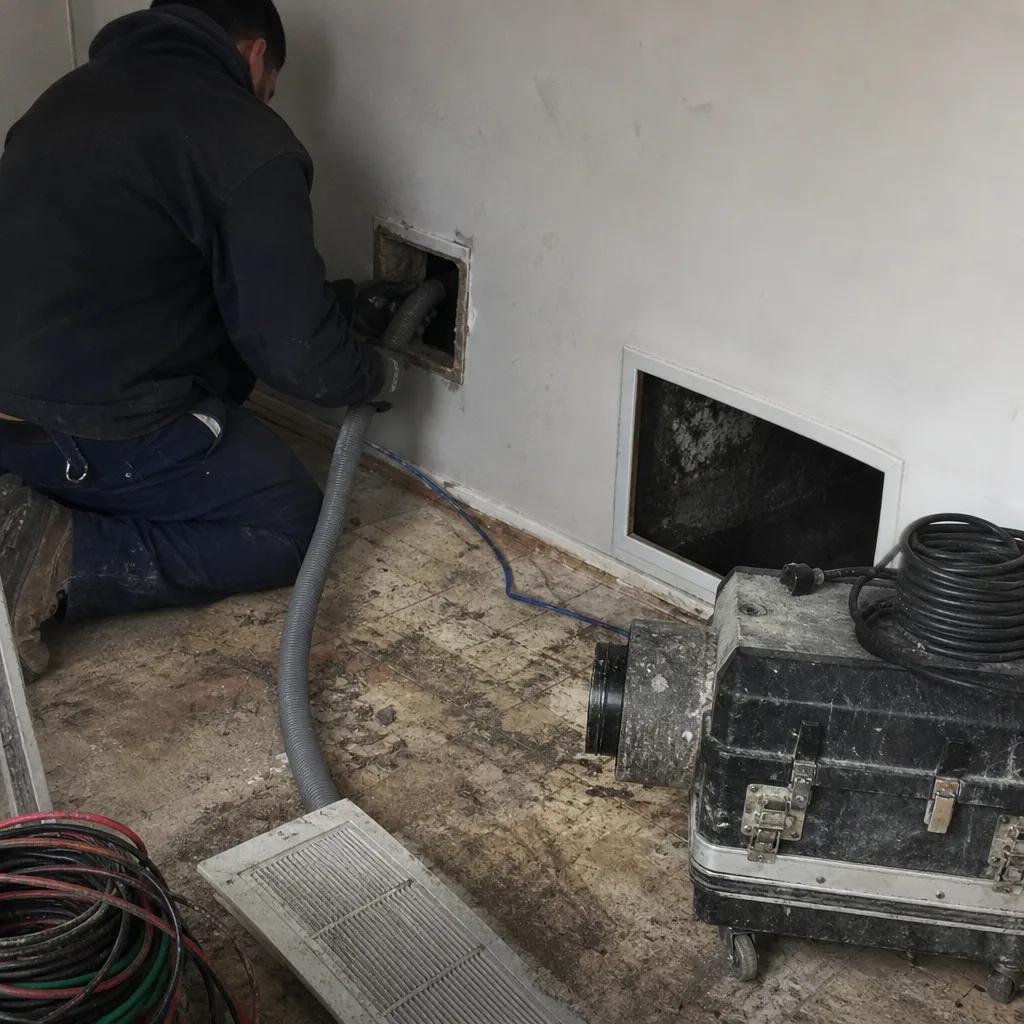 Before
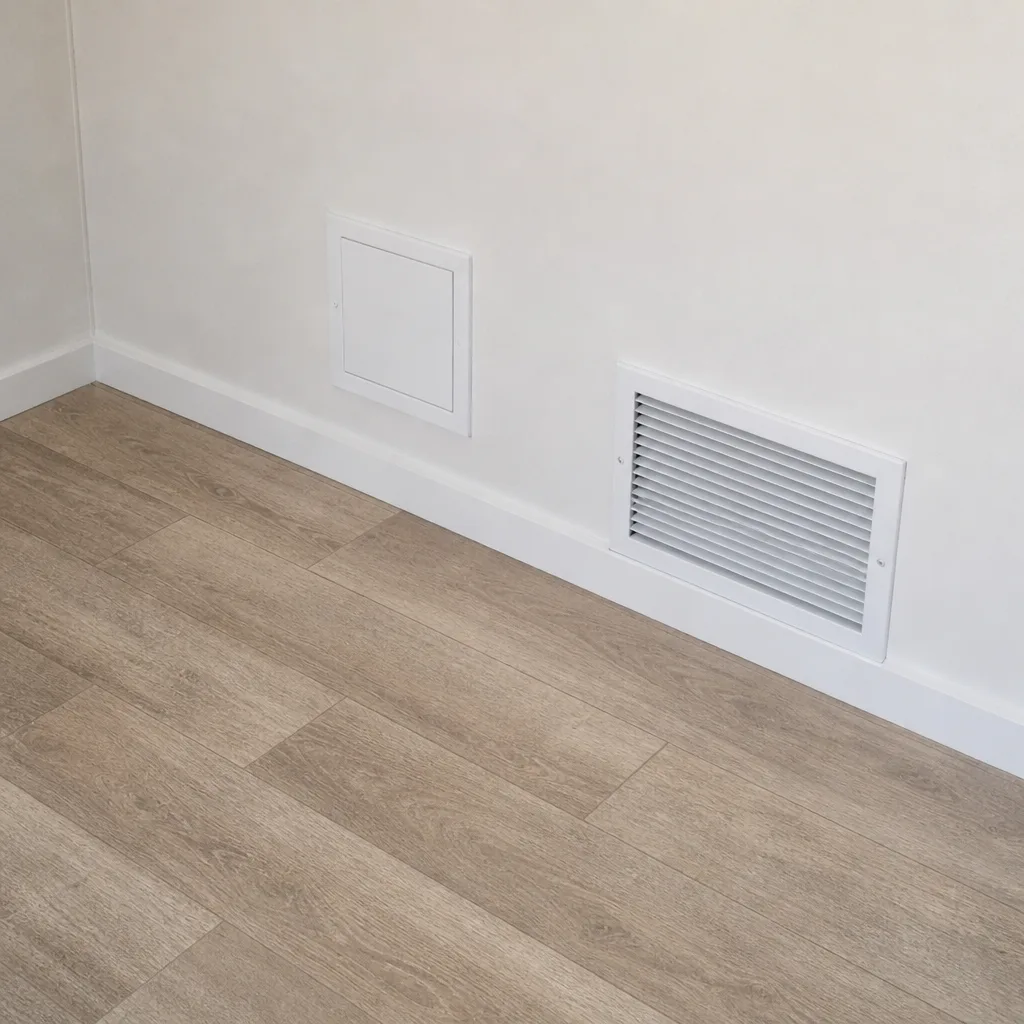 After
When to Call a Professional
Some air quality problems have obvious causes, and a few have nothing to do with your ducts. But several recurring signs point to a system that needs professional attention: visible dust blowing from registers when the heat or AC starts, a persistent musty smell that doesn’t clear, rising energy bills without an obvious cause, or a system you’ve never had cleaned in a home you recently moved into. Damaged or disconnected duct runs also show up as uneven room temperatures, and those need repair and sealing rather than cleaning alone.
We handle full-scope duct work for homeowners and property managers across Mariners Harbor, from cleaning and sealing to sanitizing and dryer vent service. Our technicians have up to 8 years of experience with Rotobrush and Nikro systems, and we deploy Abatement Technologies filtration on site to capture particulates during the job. Air Duct Cleaning Mariners Harbor offers free estimates in Mariners Harbor. Call (844) 625-7002. We answer 24/7. Fast dispatch from 7am to 7pm, Sunday through Friday.
Frequently Asked Questions
We quote one flat price per system, agreed in writing before work begins, so the number depends on how many systems your home has and what condition they’re in. We won’t give a per-vent figure or a teaser coupon price, because both leave you guessing at the final invoice. Request the written estimate and the scope of work together. Call (844) 625-7002 for an exact quote; estimates are free.
Cheap quotes usually leave out the parts of the job that take time and equipment: mechanical agitation of the duct walls, proper negative pressure, and filtration to capture what comes loose. A low advertised number is a starting point, not a final price, and it often grows once the technician is on site. Compare the equipment list and the scope, not just the total. Call (844) 625-7002 to talk through a full-scope estimate.
Ask for before-and-after photos of your own ducts, taken during the job, plus a receipt that itemizes what was cleaned. Ductwork is hidden behind walls, so photos are the clearest verification available to you. A crew that documents their work has every reason to do it properly. Call (844) 625-7002 to ask what documentation you’ll receive.
Most homes don’t need annual duct cleaning. A reasonable interval depends on the home: pets, recent renovation dust, smoking, or a system that’s never been cleaned all shorten it. If registers blow visible dust or the system smells musty, that’s a stronger signal than a calendar. Ask for an assessment rather than a schedule. Call (844) 625-7002 for a free estimate and an honest read on your system.
No. New York doesn’t issue a specialty license for air duct cleaning, so there’s no state credential to check. That’s exactly why equipment and process questions carry so much weight here, and why a written scope of work matters more than it does in licensed trades. Call (844) 625-7002 if you want to walk through the questions before booking.
A full-scope visit covers the whole system in one appointment: cleaning with a rotary brush extractor, filtration during the job, and repair, sealing, or sanitizing where needed, plus dryer vent work if you want it handled at the same time. One crew handles all of it, so you’re not coordinating separate vendors. Call (844) 625-7002 to set up a free estimate.
The Bottom Line
The vetting burden in this trade sits with you, and the way to carry it is process over promises. Ask which machine is coming and what its CFM rating is. Ask about the brush system and how negative pressure gets held during the job. Treat NADCA membership and brand names as supporting signals, not the whole case. Insist on a written scope of work and one flat price per system, and ask for photos of your own ducts when the job is done. Do those things, and the Mariners Harbor contractor you hire will be the one who can answer every question without flinching.
If you want the process walked through with you, we’re glad to do it. Call (844) 625-7002. We answer 24/7. Fast dispatch from 7am to 7pm, Sunday through Friday. Estimates are free, and our technicians have up to 8 years of experience with professional-grade equipment.
Written by the team at Air Duct Cleaning Mariners Harbor.