
Last updated November 24, 2026
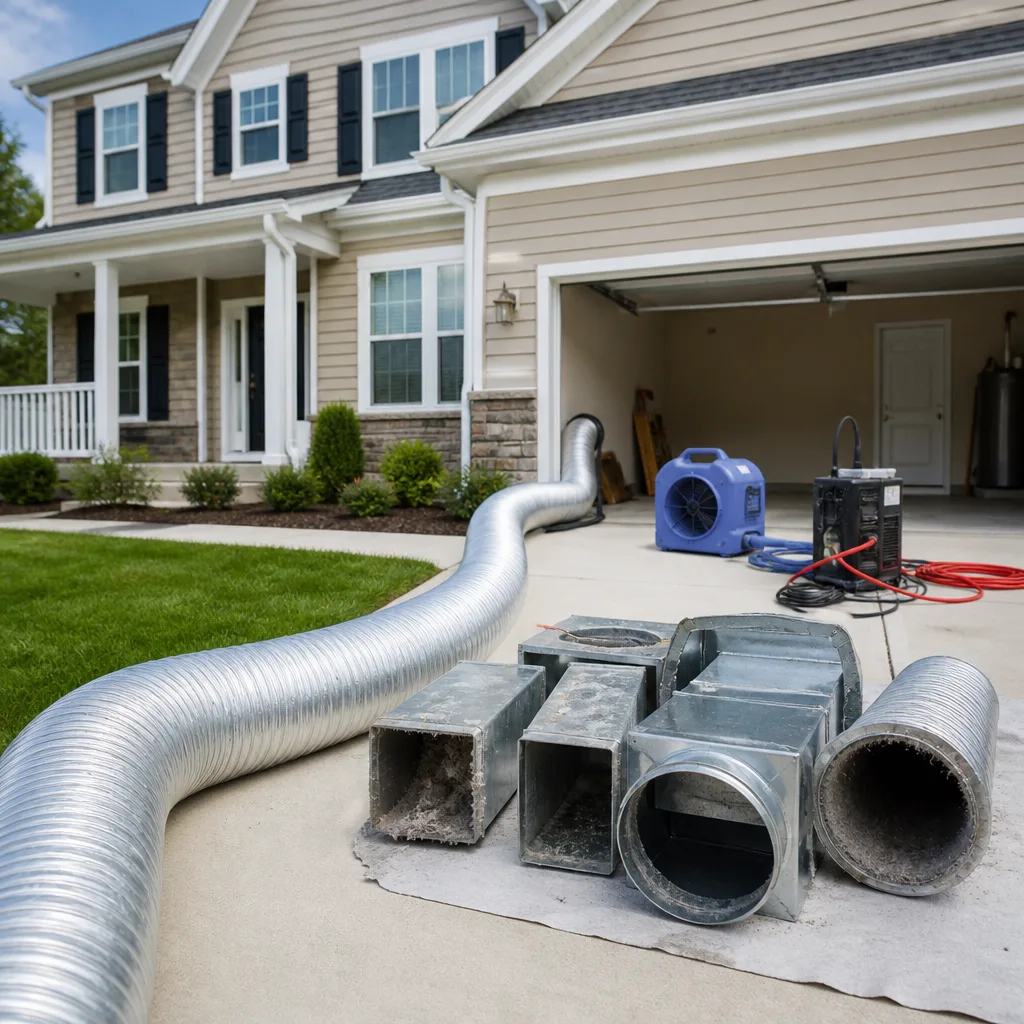 Whole-home duct cleaning
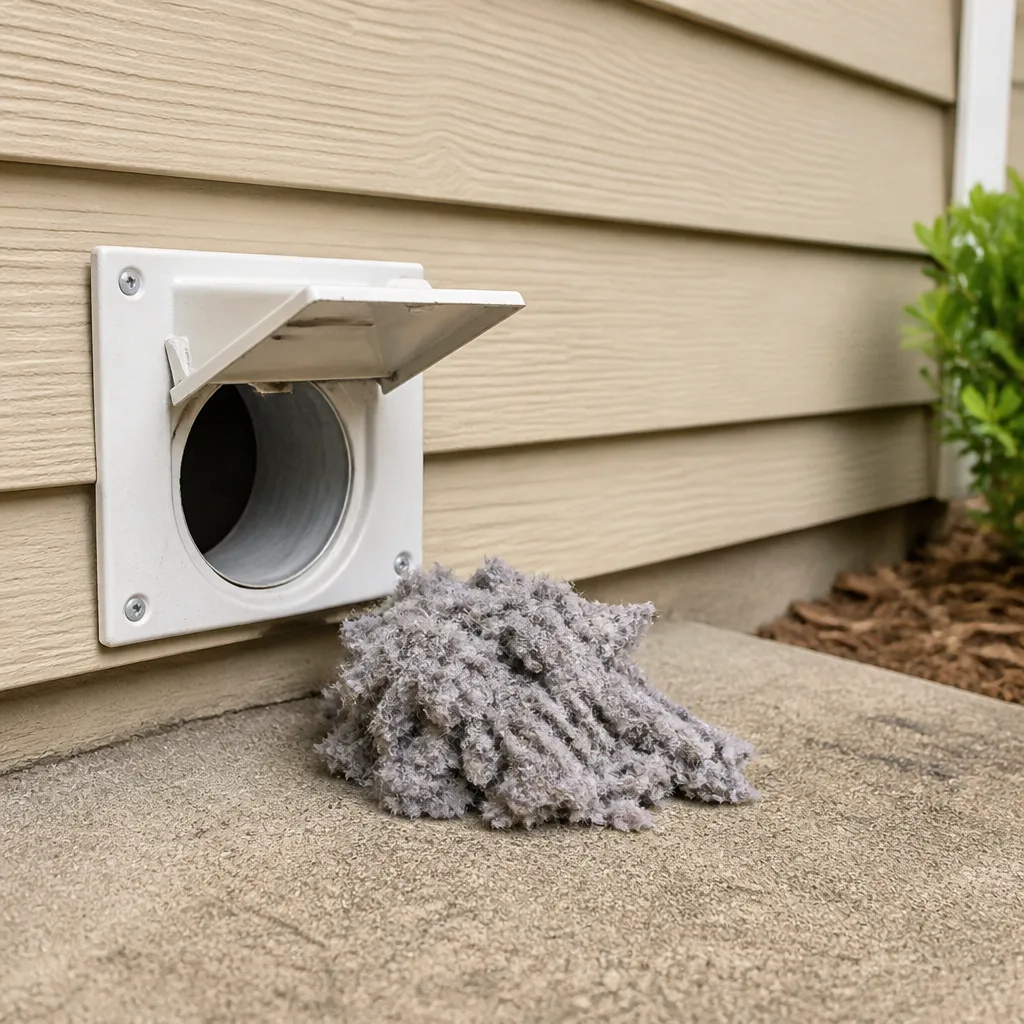 Dryer vent cleaning
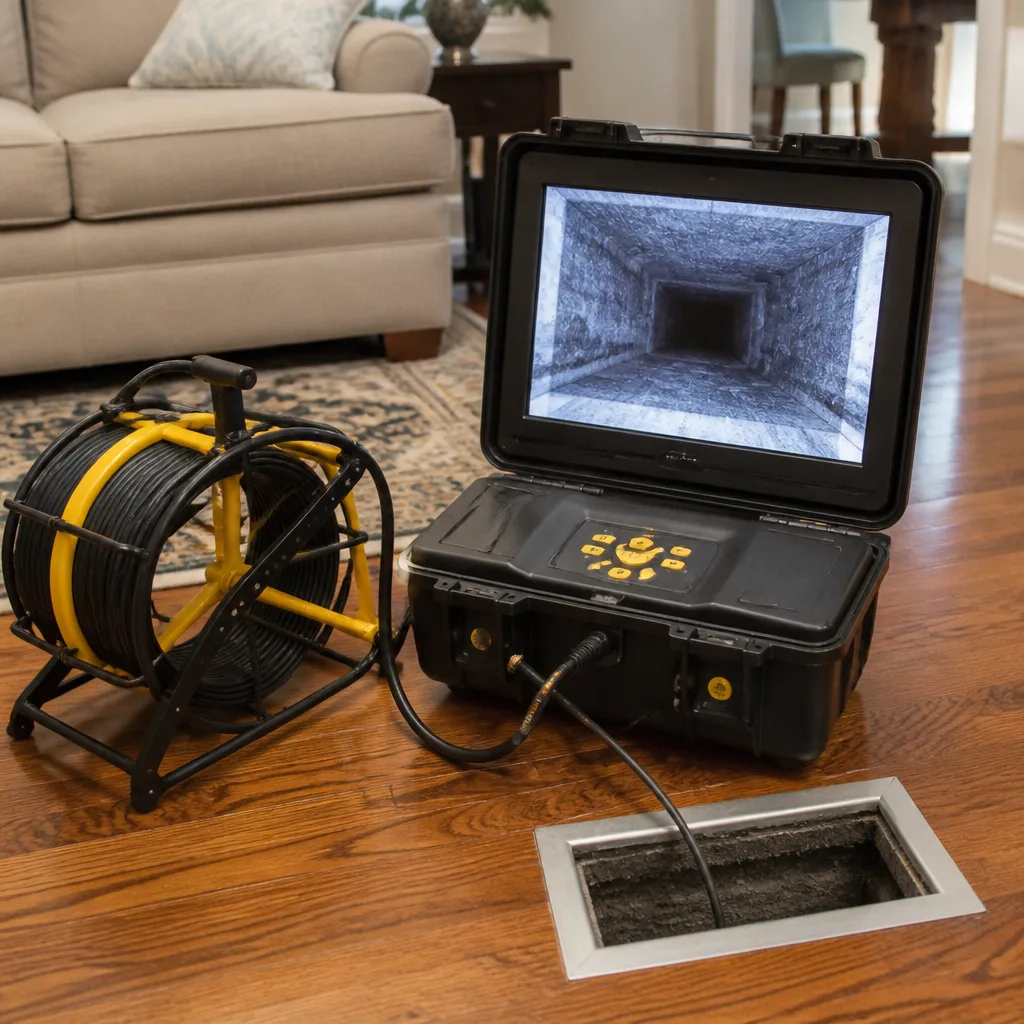 Camera inspection
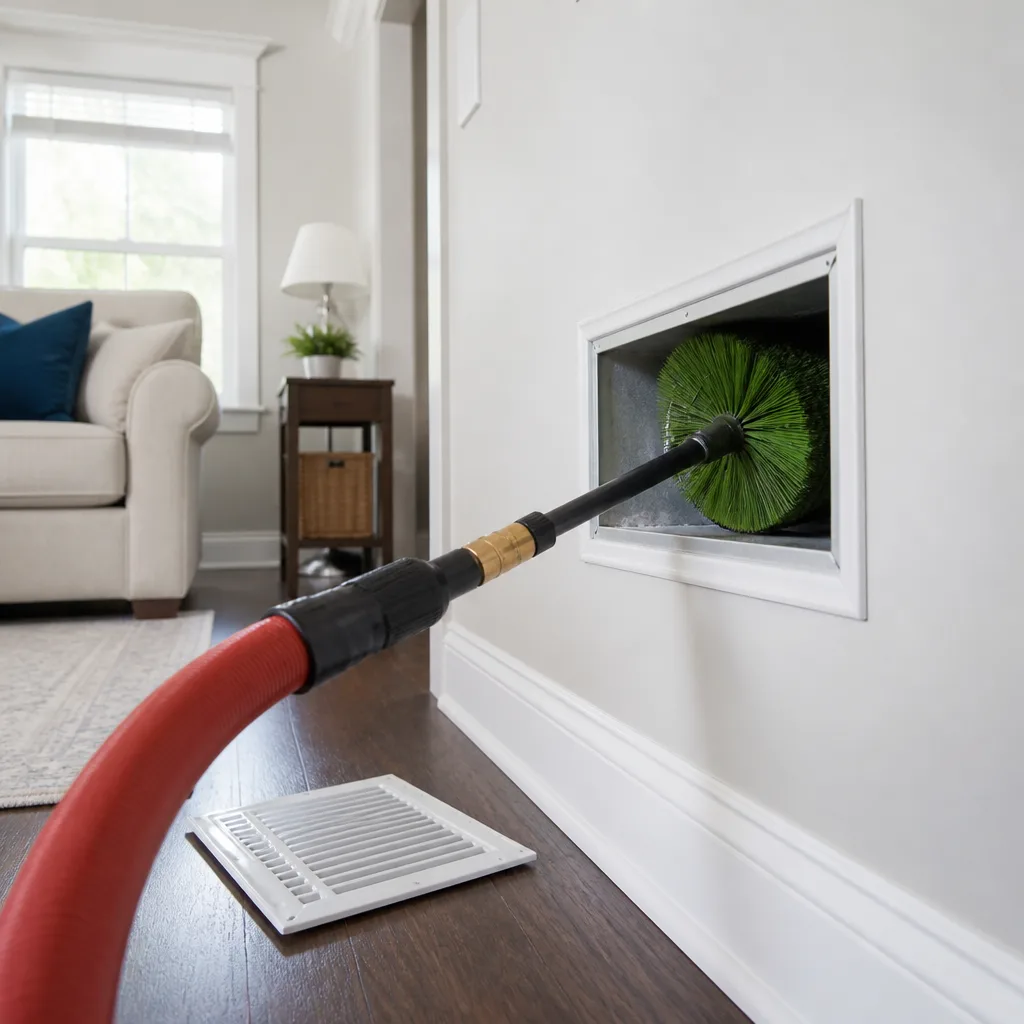 Sanitizing & deodorizing
Whole-system duct and dryer vent check with before-and-after photos - you see exactly what came out of your vents
That "$99 whole-house special" is a bait ad - the real number appears once they are in your hallway, or the "clean" is a shop-vac at the register. We photograph the inside of your ducts before and after instead.
Choosing the Right Air Duct Cleaning Brand: A Buyer’s Guide for Mariners Harbor
A contractor’s equipment list tells you more about their actual capability than their reviews, their years in business, or the trade association sticker on their van. Equipment is expensive to fake and cheap to claim. Anyone can print “professional” on a website; very few will tell you which machine is going into your ducts and why. That gap between what a company says and what it actually loads onto the job is where most Mariners Harbor homeowners get burned. This guide shows you how to read a contractor by their tools, ask the right questions, and tell a real air duct cleaning company from a generalist adding a line item.
Quick Answer
The right air duct cleaning brand in Mariners Harbor is the one that shows you specific professional-grade equipment (Rotobrush, Nikro, Abatement Technologies), explains what each machine does during your job, and lets you photograph the work in progress. Reviews and membership logos matter less than verifiable tools and disclosed process, because equipment is the hardest thing for an operator to fake. Ask what machine is doing the cleaning, what’s capturing the dislodged dust, and see the before-and-after for yourself.
Styles & brands we work with
- Whole-home duct cleaning
- Dryer vent cleaning
- Camera inspection
- Sanitizing & deodorizing
Table of Contents
- Why Equipment Is the Clearest Signal of Contractor Capability
- What Rotobrush Systems Do Mechanically (and Why It Matters)
- Nikro Negative Air Machines and Why Containment Decides the Outcome
- Abatement Technologies and Complex Scopes: Mold, Post-Flood, Contamination
- How to Verify a Contractor Actually Owns the Equipment They Claim
- The Service Tier These Machines Belong To
- What a Realistic Duct Cleaning Visit Looks Like in Mariners Harbor
- Common Mistakes to Avoid
- When to Call a Professional
Why Equipment Is the Clearest Signal of Contractor Capability
Reviews can be bought or gamed. Years in business can be inherited from an unrelated company. Membership logos vary in meaning by category. Equipment, by contrast, has a purchase price and a maintenance cost, and anyone who has invested five figures in duct cleaning and air filtration machinery has a different operating economics than an operator who bought a wet/dry vac at a hardware store. That’s why the equipment list deserves more weight than almost any other credential a duct cleaner presents.
There’s a second reason equipment matters in Mariners Harbor specifically. The housing stock here is dense and mixed. You have older two- and three-family homes with ductwork that’s seen decades of use, and you have newer construction with tighter envelopes where air quality problems show up faster. Both cases require a contractor whose tools can actually reach the duct walls and capture what’s loosened, not just push air around and hope the dust lands somewhere out of sight. A blow-and-vac crew can make the register look clean in ten minutes; that’s not the same as removing the debris bonded to the interior duct surface.
The brands we lean on tell you what category of operator we’re describing:
- Rotobrush – rotary brush and simultaneous vacuum systems built for duct interior cleaning.
- Nikro – negative air machines and HEPA filtration used by NADCA-certified contractors and restoration professionals.
- Abatement Technologies – air scrubbers specified on mold, asbestos-adjacent, and post-flood projects.
- Aprilaire and Honeywell – whole-home filtration and sanitizing hardware we can integrate post-clean.
None of these brands are free. That’s the point. A contractor who buys them is signaling something about the jobs they expect to run and the standard they work to. If you’d like a free estimate from a crew that runs this exact equipment list, call (844) 625-7002 and we’ll walk you through what your job will involve.
What Rotobrush Systems Do Mechanically (and Why It Matters)
Most people assume duct cleaning means blowing air through the system until it looks clean. That’s not what the equipment on a properly run job does. Rotobrush systems pair a rotary contact brush with a simultaneous high-volume vacuum in a single unit: the brush physically agitates the interior duct wall while the vacuum is already capturing the freed debris. Contact cleaning and extraction happen at the same moment, which is why the method produces a measurable change rather than a cosmetic one.
Contrast that with a blow-and-vacuum approach. Air is forced through the ductwork, and whatever’s attached to the walls either loosens or doesn’t. Debris that does come free has to go somewhere, and if there’s no simultaneous, sealed capture at the working end, that somewhere is often the return path into your living space. Then the job ends and the registers look fine. Weeks later the dust settles back into the vents and the homeowner is certain the cleaning “didn’t work.” It did. It just wasn’t the kind of cleaning that reaches the duct wall.
What rotary contact cleaning actually addresses
- Bonded dust and lint – particles that have adhered to the duct interior over time and won’t dislodge with air alone.
- Construction and renovation residue – drywall dust and fine particulate that’s compacted into corners and seams.
- Biological film – in ducts with elevated moisture, the surface layer of organic material that a vacuum removes but doesn’t disturb from the wall.
- Transition and trunk buildup – the heavier deposits that collect where branches meet the trunk line.
Rotary agitation matters more in a Mariners Harbor home than in a modern single-story build with short, wide runs. Old multifamily housing tends to have longer branch runs and tighter transitions, which is where deposits accumulate. A brush that can be sized to the duct interior and rotated against the wall is what makes the difference between a register that’s been wiped and a duct that’s actually been cleaned.
Nikro Negative Air Machines and Why Containment Decides the Outcome
Every duct cleaning job has a moment where the choice is made: capture the dislodged debris, or recirculate it. The equipment that decides which happens is the negative air machine. Nikro system negative air machines create pressure differential inside the duct network, pulling air (and the debris suspended in it) toward the collection point rather than back into the room. These are the same categories of machine specified by NADCA-certified contractors and disaster restoration professionals because they work.
Here’s why this matters in Mariners Harbor: when a duct’s interior has active dust, mold spores, or fine biological material, moving that material through the ductwork without containment simply relocates the problem from inside the duct to the room where it’s inhaled. That’s the practical failure of a shop-vac clean. The vacuum sucks, but the exhaust sends fine particulate right back into the air. If the material was biological, that’s a real outcome difference, not a marketing one.
What proper containment looks like in practice
- Seal every open register except the working end, so the only airflow path is the duct itself.
- Connect the negative air machine to the main trunk or a designated return.
- Run HEPA filtration on the exhaust so anything captured stays captured.
- Work the branch interiors sequentially so debris freed in one branch is drawn through the system, not redistributed into neighboring runs.
- Deploy Abatement Technologies air scrubbers in the work area when biological or restoration-grade material is present.
- Verify visually before reassembling registers and returning the system to service.
The point of this step list isn’t for you to run the job. It’s to give you the questions to ask. A contractor who can’t explain where their negative air pressure is being created, or who doesn’t bring HEPA filtration, hasn’t answered the containment question. That’s when you know the price you were quoted doesn’t include the part that does the work. For a free estimate on a properly contained job, call (844) 625-7002.
Abatement Technologies and Complex Scopes: Mold, Post-Flood, Contamination
Abatement Technologies builds air scrubbers and filtration systems for the environmental-remediation side of the industry. They’re specified on mold remediation, asbestos-adjacent work, and post-flood drying projects because they hold up to real containment demands. When a duct cleaning contractor brings Abatement scrubbers to a job, it signals they’re prepared for scopes beyond the ordinary dusty-vent visit: active mold in the ducts, water intrusion history, or contamination that requires indoor air quality to be maintained throughout the cleaning.
Not every Mariners Harbor home has a mold or flood scenario. But some do, and the difference between a duct cleaner who carries a scrubber and one who doesn’t is the difference between a job that can be handled properly in one visit and an operator who should have referred you out. Having the equipment on-site means the scope can expand to what the job actually needs without a second contractor or a return trip.
If your ducts have ever been exposed to water, or if a prior inspection flagged mold, ask the contractor directly: “Do you bring an air scrubber?” and “What’s your filtration spec during the job?” The answer tells you which tier of service you’re about to hire. Abatement scrubbers are one of the three equipment brands we treat as baseline rather than luxury, because the jobs that need them can’t be done safely without them. If you’re unsure whether your Mariners Harbor job is a light scope or a heavier one, we’ll assess it in person at an Air Duct Cleaning Mariners Harbor consultation – the estimate is free and there’s no pressure to book.
How to Verify a Contractor Actually Owns the Equipment They Claim
This is where brands and reviews break down as buying signals. Companies can say they use Rotobrush. The question is whether the machine shows up, runs on your job, and produces the outcome you’re paying for. You don’t need to be a technician to make that judgment. You need to know what to ask and what to look at.
Questions that separate claim from reality
- “What specific machine is cleaning my ducts?” – If the answer is “our professional equipment” without a model or method, the equipment claim is soft.
- “What’s capturing the debris during the job?” – A properly run job always has an answer. A negative air machine and HEPA filter, not just a vacuum at the register.
- “Can I photograph the machine in operation?” – Legitimate contractors don’t refuse. Before-and-after photos of your own job should be part of the deliverable.
- “What’s the model number?” – Not to audit their inventory, but because a contractor who knows their own equipment names it without hesitation.
- “Do you seal registers during the job?” – Containment is a discipline, not a machine. If they don’t seal, the machine’s capability isn’t being used.
- “What filtration spec does your scrubber run?” – On jobs with biological material present, this is the question to press on.
The photographic piece deserves the extra emphasis. Before-and-after images of your actual ducts (not stock photos, not a generic gallery) are the cheapest form of verification available to a homeowner. And if a contractor has genuinely invested in professional-grade machinery, they’ll want to show it, because the equipment is their differentiator. If they’re coy about it, they don’t have it.
What the equipment should look like in operation
- A truck-mounted or trailer unit for high-volume extraction (rotary brush systems often pair with a HEPA vacuum trailer).
- Portable brush assemblies for branch interiors, going into registers room by room.
- Negative air machines on the main trunk, connected via sealed shroud or duct collar.
- Sealed register covers on every vent not being worked.
- HEPA filtration units near the working area when contamination is present.
A general handyman or an HVAC company adding duct cleaning as an upsell usually turns up with a shop-vac, a whip, and a brush on a drill. If you can carry the machine in on your shoulder and it fits in a car trunk, it’s not duct cleaning equipment, it’s a vacuum.
The Service Tier These Machines Belong To
Equipment defines what tier of service you actually receive. A contractor using Rotobrush, Nikro, and Abatement equipment is set up for a visit where the cleaning, the containment, the sealing, the sanitizing, and (when needed) the dryer vent work all happen together. That’s the tier we mean when we say “one crew, full scope.” The alternative is a series of visits from different vendors, each showing up with their own tools, each charging a separate call, each doing their particular slice but none of them accountable for the whole.
The equipment is also the reason we can offer air duct cleaning that reaches the duct wall rather than just the register, and why our crew is set up to handle dryer vent cleaning as a standalone job without dragging lint back into your home – the same negative air containment that protects your ducts protects your laundry room during a vent cleaning. We also run HVAC cleaning on the same visit, so the air handler, blower, and coil aren’t reintroducing particles into the duct network the moment you turn the system back on. And if the ducts themselves are compromised, we handle duct repair and sealing alongside the cleaning, so the system you’re paying to clean is the system that actually holds air on the other side.
What the single-crew full-scope model actually covers
- Duct cleaning – mechanical agitation plus negative air extraction on every run.
- Dryer vent cleaning – standalone or bundled, treated as the fire-risk category it is.
- HVAC cleaning – air handler, coil, blower housing, and plenum on the same visit.
- Duct repair and sealing – closing the leaks that keep “cleaned” ducts from staying clean (or efficient).
- Air quality and sanitizing – Aprilaire and Honeywell-compatible treatments and filtration integration, plus Guardsman-grade protective dressings where the surface benefits.
That last tier is where equipment integration matters in a way most buyers don’t think about until after the fact. If your home already has a whole-house Aprilaire or Honeywell filtration unit, a sanitizing treatment integrated with your existing hardware keeps the air quality gains in place. If the contractor can’t name the hardware already in your mechanical room, the sanitizing step is a guess. Our technicians have up to 8 years of experience, and matching the post-clean treatment to the installed system is standard practice for us. For a free estimate that spells out which tier fits your home, call (844) 625-7002.
What a Realistic Duct Cleaning Visit Looks Like in Mariners Harbor
Duct cleaning in Mariners Harbor runs a wide range because of the housing mix, and that’s exactly why you want the written estimate to spell out scope before the work starts. The typical range we see (and the range to expect from any properly equipped contractor) looks like this:
- Standard residential whole-home clean: roughly $400 to $750, depending on number of registers and duct complexity.
- Larger homes and older multifamily with extended runs: roughly $650 to $1,100.
- Dryer vent cleaning, standalone: roughly $125 to $250.
- Sanitizing and filtration treatments: quoted per system based on installed equipment.
- Duct sealing or repair: quoted per the scope of the leak or damage.
Those are typical estimates, not fixed prices. A written, itemized estimate is what sets the final number, and any contractor who won’t provide one before work starts is telling you what kind of job you’re getting.
Step by step, here’s what a properly equipped visit looks like
- Walk-through. Registers counted, system type and age noted, any visible moisture, damage, or prior issues flagged.
- Seal and set up. All registers sealed except the working end, negative air connected at the trunk.
- Mechanical cleaning. Rotary brush contact on each branch, simultaneously extracted.
- HVAC-side cleaning. Blower, coil, and plenum checked and cleaned as scoped.
- Sanitizing treatment. Applied per the installed filtration hardware and job scope.
- Verification. Before-and-after photos, register reassembly, system restart, and a walk-through with you.
Total time on site varies with the size of the system and the scope of the work; the written estimate should tell you what to expect. What doesn’t vary: the equipment that runs, the containment that’s used, and the fact that you should be free to photograph the job as it happens.
Common Mistakes to Avoid
- Hiring on coupon price alone. A cost that looks low on a postcard often reflects a blow-and-vacuum method without containment. It’s not that the price is deceptive; it’s that the scope isn’t disclosed.
- Not asking what’s capturing the debris. Recirculating dust through the home during the job defeats the removal. Ask about the negative air machine and HEPA filtration before you book.
- Assuming your HVAC company includes duct cleaning. Most generalists do duct cleaning as an add-on with equipment sized for the occasional job. That’s a different tier of service than a specialist running Rotobrush and Nikro systems.
- Skipping the before-and-after photos. Without visual proof of your own ducts, you can’t tell a cleaning from a wipe-down. It should be part of the deliverable, not a request.
- Cleaning ducts without addressing leaks. If the duct system has open seams or disconnected runs, clean air escapes into the walls and attic just as fast as contaminated air was being pulled in. Sealing has to be part of the conversation.
- Skipping the dryer vent. It’s the fire-risk item in the laundry area and it’s frequently deprioritized because it’s not the headline service. If a duct cleaning contractor can’t do it on the same visit, that’s a sign of a narrow scope, not a specialized one.
- Treating the sanitizing step as automatic. The right treatment depends on the filtration equipment already in your home. A generic spray isn’t a fit with an existing Aprilaire or Honeywell system.
When to Call a Professional
You don’t need duct cleaning on a schedule. You need it when the evidence says so. Call a professional when you’re seeing visible dust plumes from the registers when the system kicks on, when a recent renovation left fine particulate in the system, when the ducts have been exposed to water or a prior inspection flagged mold, when you’re noticing a persistent stale or musty smell that doesn’t clear after filter changes, or when the dryer has started taking noticeably longer to dry a load. Those are the signals that a properly equipped visit is warranted rather than a light dusting. If any of them describe your home, it’s worth having a specialist look at the actual scope.
Air Duct Cleaning Mariners Harbor offers free estimates in Mariners Harbor – call (844) 625-7002. We answer 24/7. Fast dispatch from 7am to 7pm, Sunday through Friday.
If you’re confirming scope with another contractor, use the questions in the “How to Verify” section above. Anyone can say “we use professional equipment.” The equipment itself is the answer.
See the difference
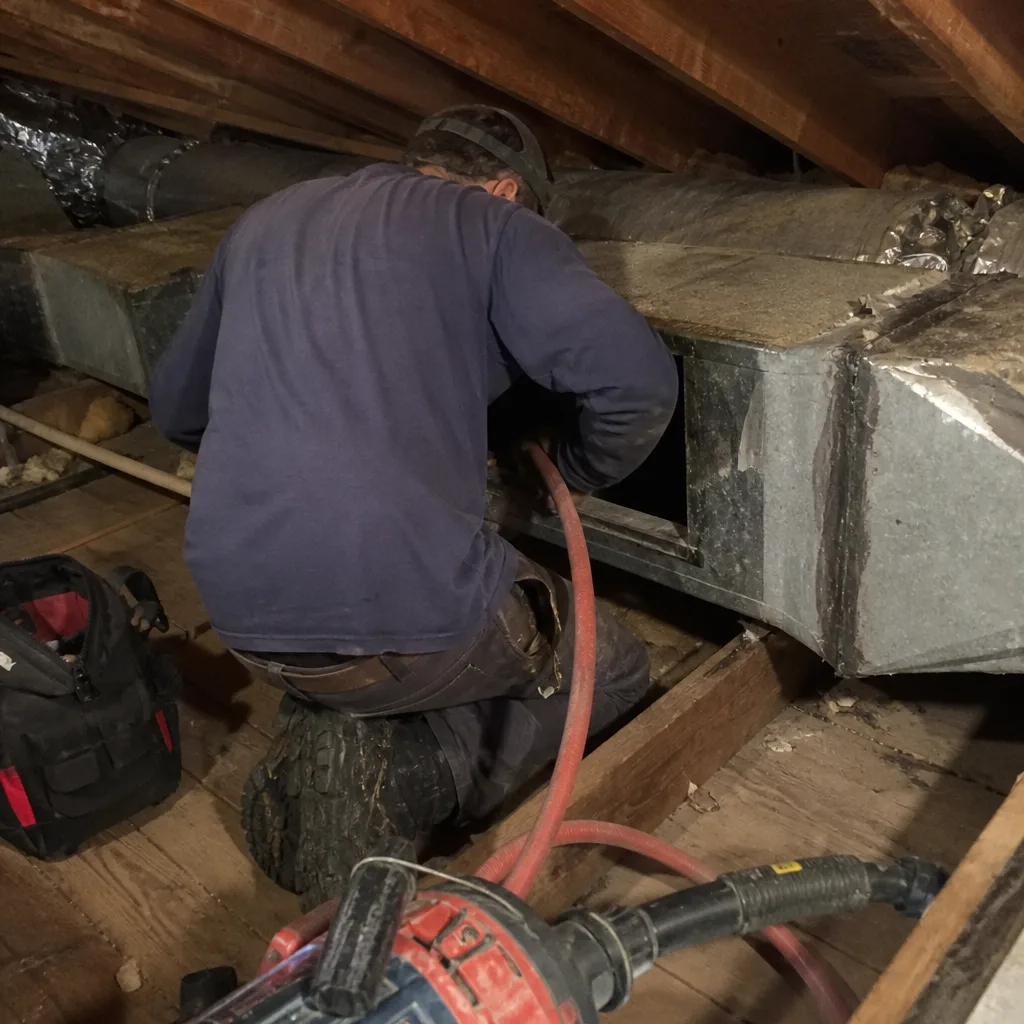 Before
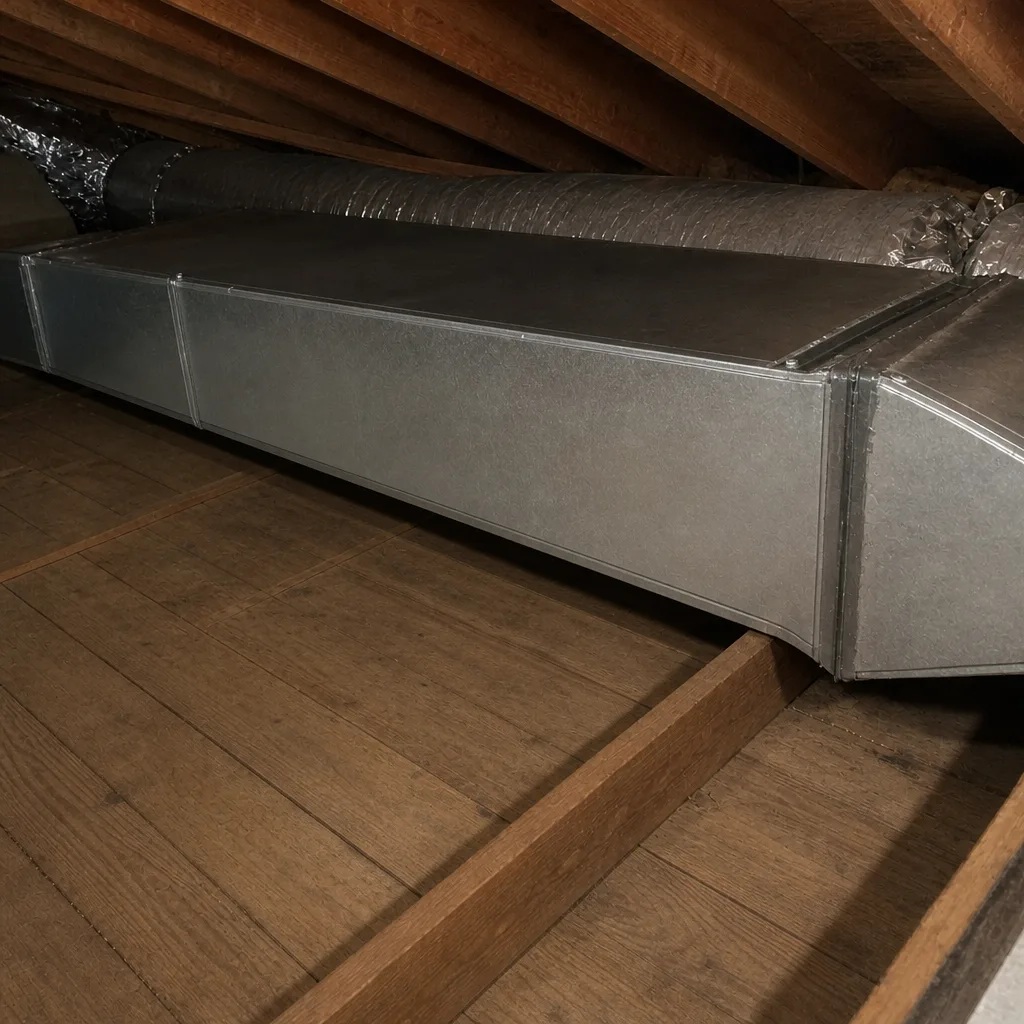 After
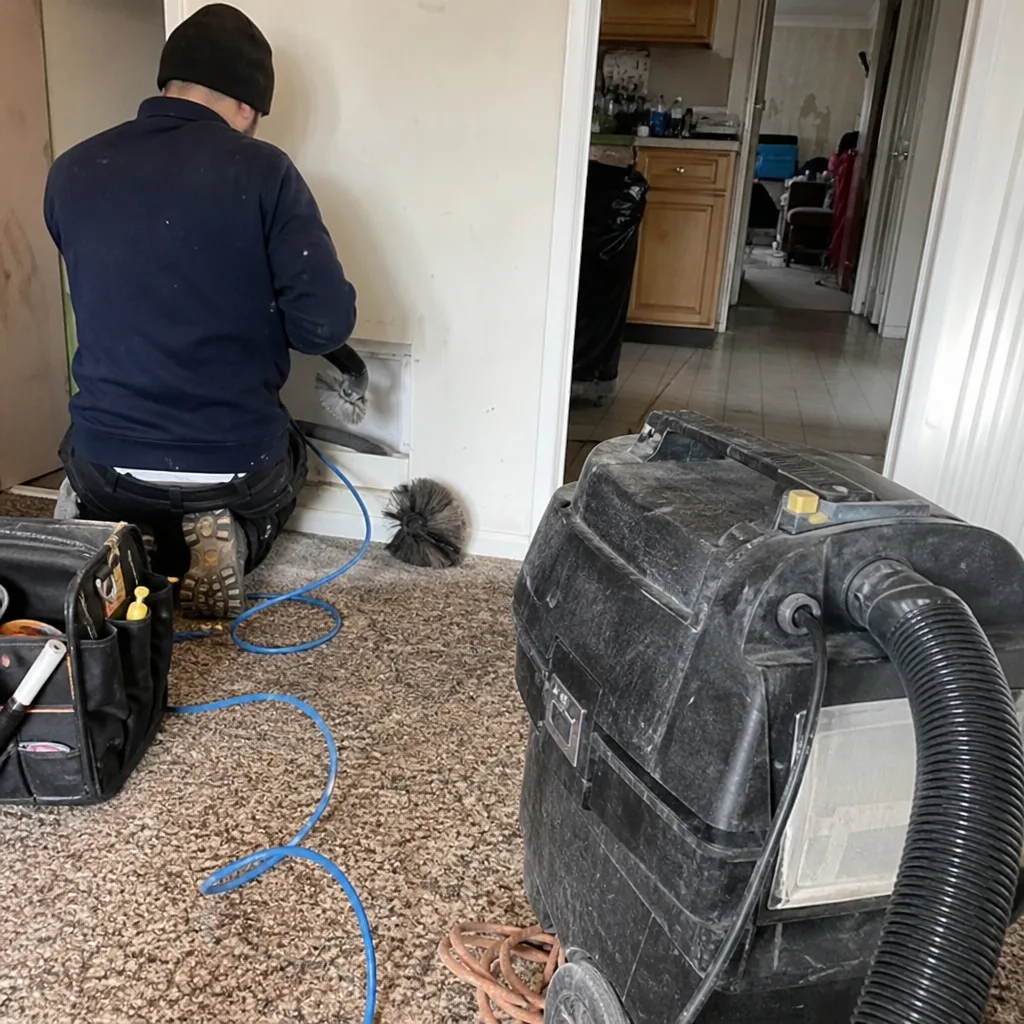 Before
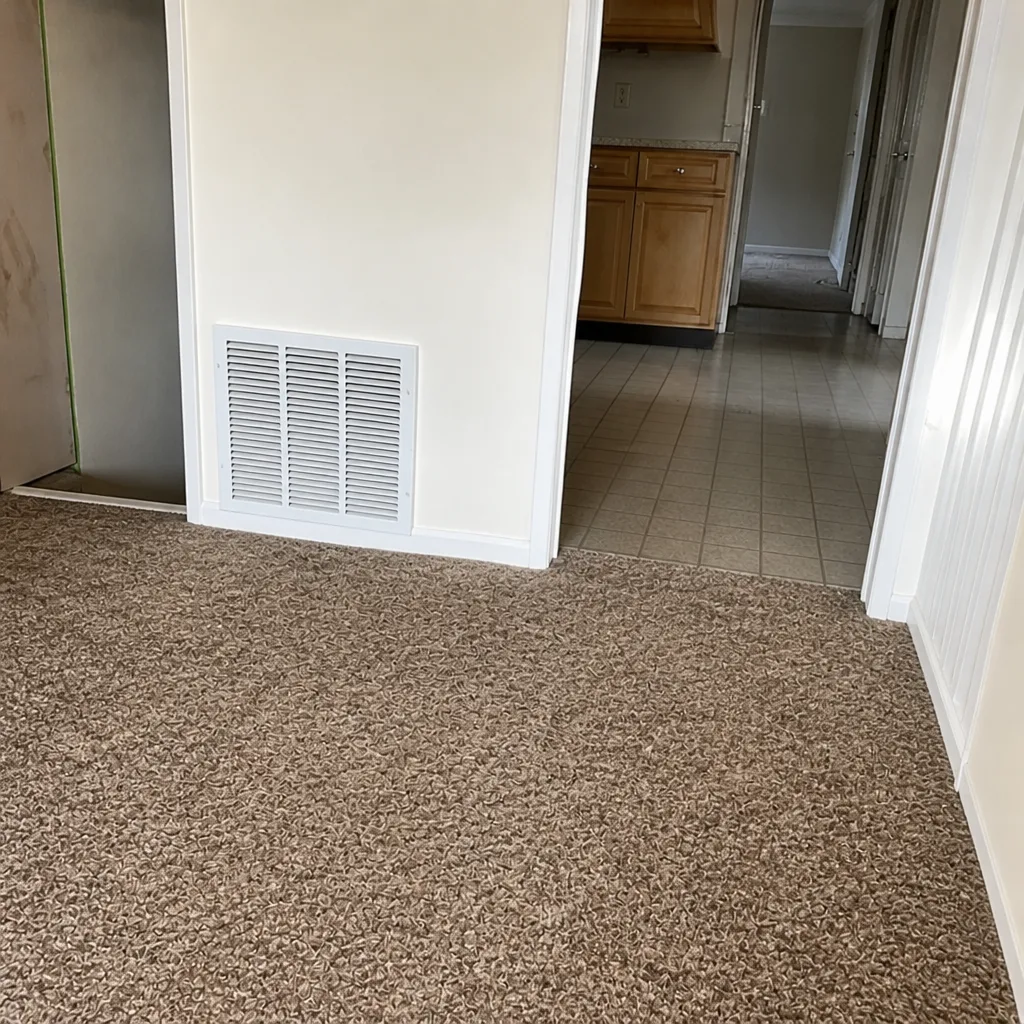 After
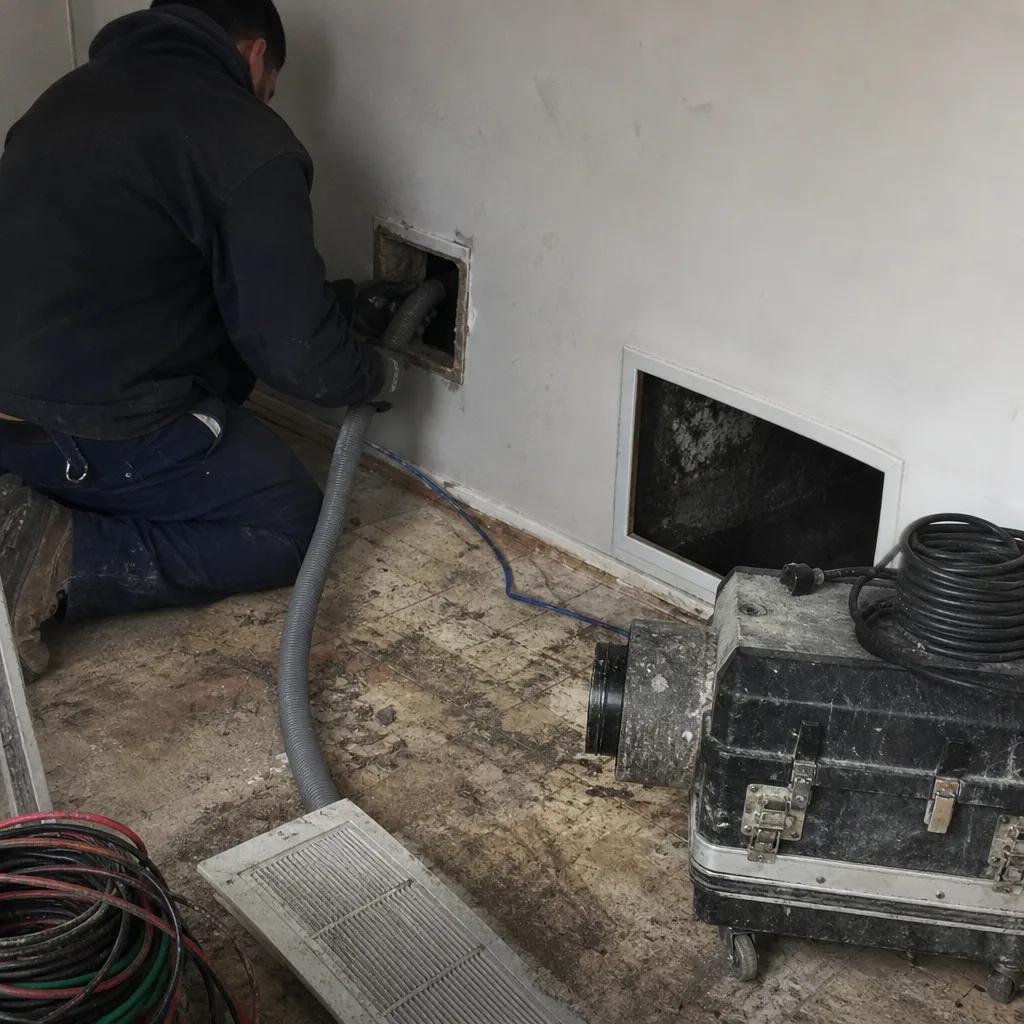 Before
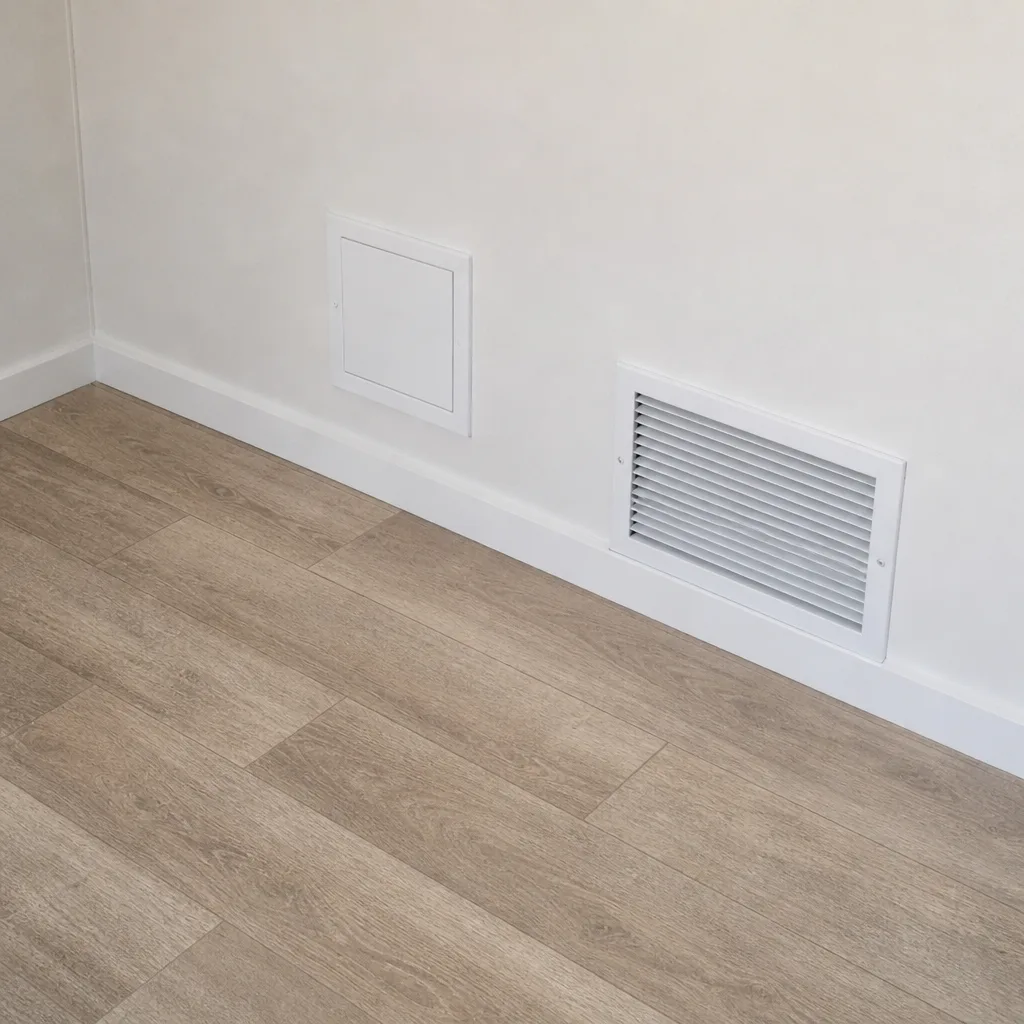 After
Frequently Asked Questions
Most residential duct cleaning in Mariners Harbor falls in the $400 to $750 range for a standard whole-home clean, and $650 to $1,100 for larger homes or older multifamily properties with extended branch runs. Those are typical estimates, not fixed prices. Dryer vent cleaning runs roughly $125 to $250, and sanitizing treatments are quoted per system based on the filtration hardware already in your home. The written estimate sets the final price. Call (844) 625-7002 for an exact quote – estimates are free.
Cheaper quotes usually reflect a different scope, not a better deal. A low-priced visit often runs blow-and-vacuum without negative air containment, brushes the registers, and leaves without addressing the duct interior or the HVAC-side components. A proper job includes mechanical contact cleaning on each branch, sealed containment, and before-and-after photos of your own ducts. If the only difference between two quotes is the number, ask what happens to the debris that’s dislodged. Call (844) 625-7002 if you’d like a free estimate that spells out exactly what’s included.
Ask for before-and-after photos of your own ducts, taken during the visit, and photograph the equipment in operation yourself. A properly equipped contractor isn’t secretive about the machinery on-site, and if you can’t see the negative air machine connected to your trunk, that part of the job wasn’t done. Seeing the difference before and after is the whole point of hiring a professional. If a contractor can’t or won’t show you the job in progress, that’s your answer.
There’s no fixed interval that applies to every home. Most Mariners Harbor homes benefit from a professional visit every few years, but the right timing depends on the housing stock, recent renovations, humidity and moisture history, and whether anyone in the household has respiratory sensitivity. A system with well-sealed ducts and a maintained filtration unit stays clean longer than one with leaks and a clogged Aprilaire or Honeywell filter. If you’re not sure where your home sits, a free estimate visit can tell you. Call (844) 625-7002.
Rotobrush systems use a rotary contact brush and a simultaneous high-volume vacuum in a single unit, so the brush physically agitates the duct wall while the vacuum captures the freed debris. A shop-vac pulls air but has no contact-cleaning component and, without HEPA filtration, exhausts fine particulate back into the room. They’re different categories of tool for different tiers of work. Professional-grade equipment, not portable shop-vacs, is what a proper cleaning requires.
Not always, but the right contractor will bring Abatement Technologies air scrubbers for jobs with mold, prior water intrusion, or elevated contamination. The scrubber maintains indoor air quality throughout the cleaning instead of just at the end. If your home has any of those conditions, ask directly whether the contractor brings a scrubber and what filtration spec it runs. For a free estimate that assesses whether your job needs a scrubber, call (844) 625-7002.
The Bottom Line
When you’re choosing an air duct cleaning company in Mariners Harbor, weight the equipment list over the reviews. Rotobrush systems that do rotary contact cleaning with simultaneous extraction, Nikro negative air machines that contain the debris, and Abatement Technologies scrubbers for complex scopes are the three equipment categories that separate a proper clean from a cosmetic one. Verify ownership with before-and-after photos, model numbers, and a walk-through of the job in progress. Ask what’s capturing the debris during the work. Confirm the written estimate spells out scope before anything starts. And remember: one crew, full scope, means the cleaning, repair, sealing, sanitizing, and dryer vent all happen on the same visit.
If you’d like to see exactly how this works for your home, call (844) 625-7002 for a free estimate. We answer 24/7. Fast dispatch from 7am to 7pm, Sunday through Friday. We’ll walk through the equipment, explain which tier your job needs, and put a written scope in front of you before any work begins.
Written by the team at Air Duct Cleaning Mariners Harbor.