
Last updated November 24, 2026
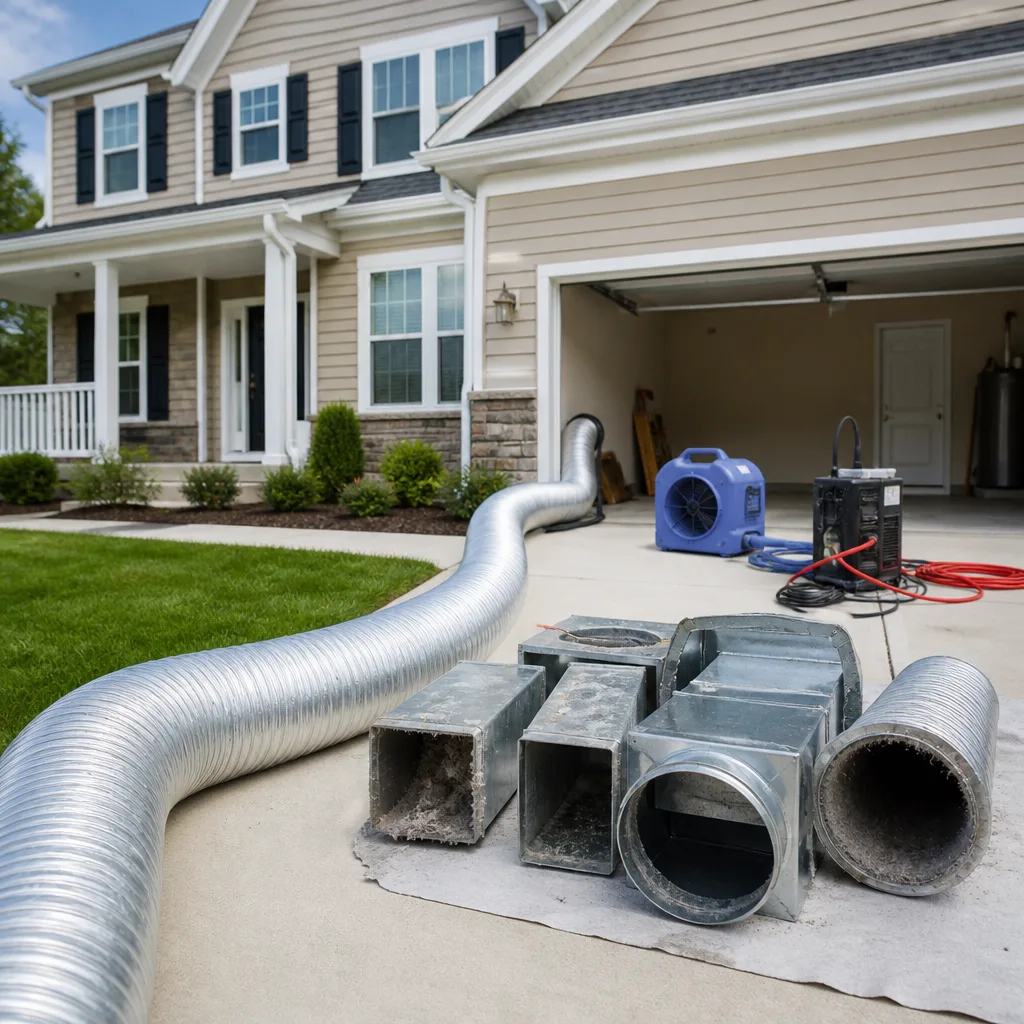 Whole-home duct cleaning
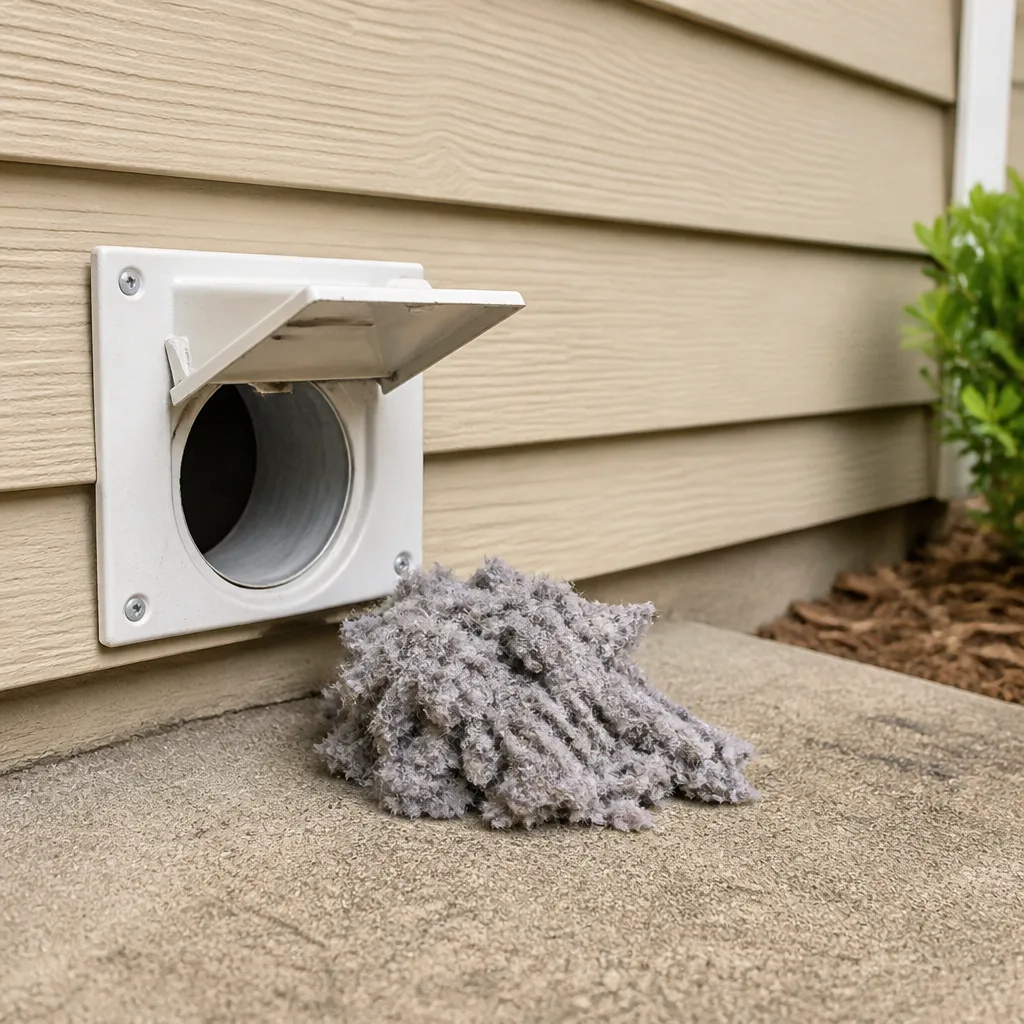 Dryer vent cleaning
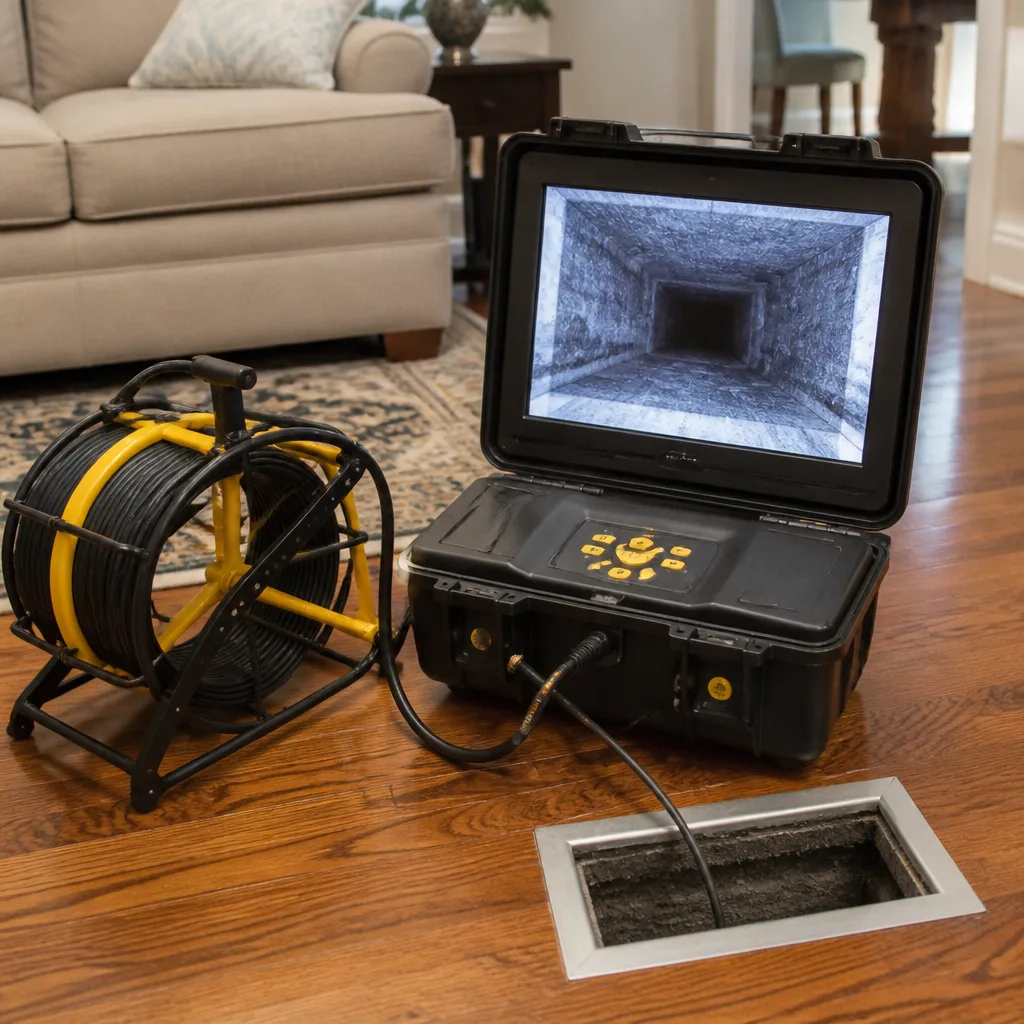 Camera inspection
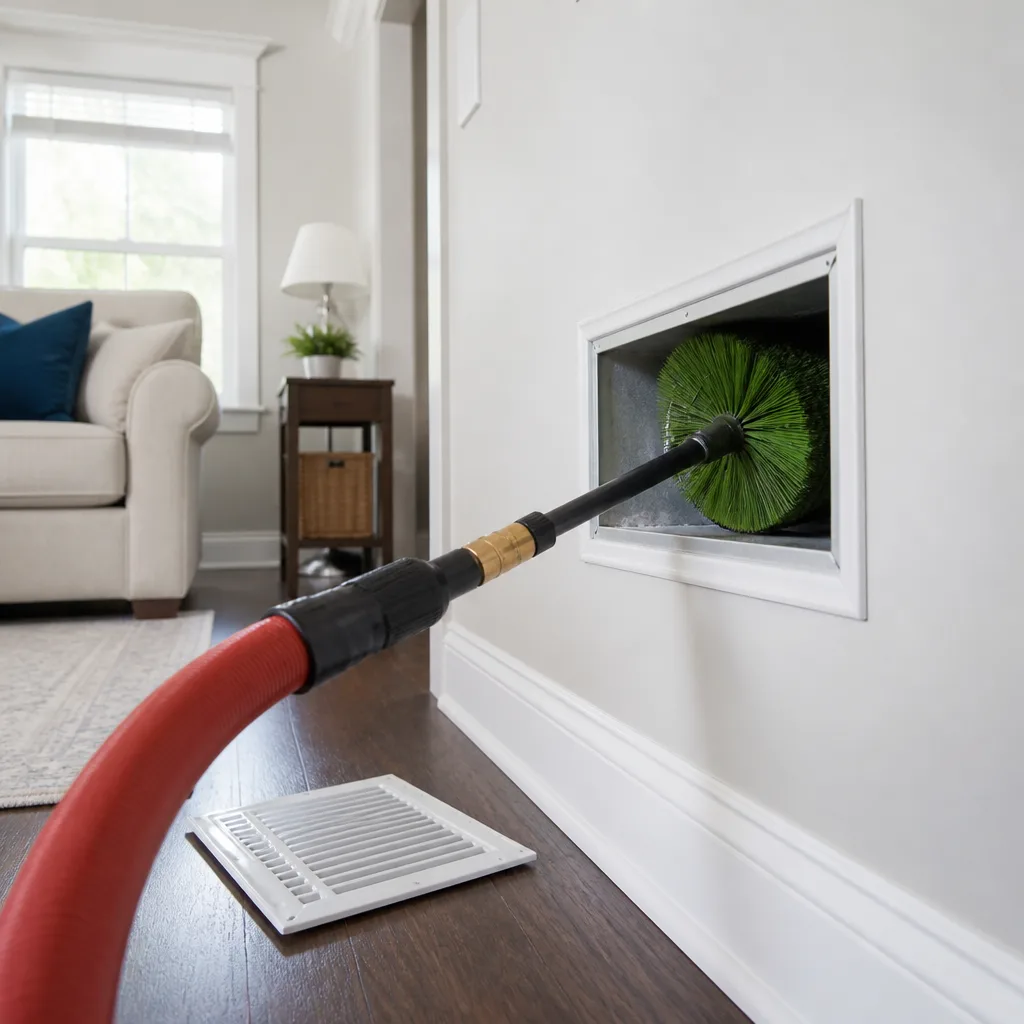 Sanitizing & deodorizing
Whole-system duct and dryer vent check with before-and-after photos - you see exactly what came out of your vents
That "$99 whole-house special" is a bait ad - the real number appears once they are in your hallway, or the "clean" is a shop-vac at the register. We photograph the inside of your ducts before and after instead.
Air Duct Cleaning Troubleshooting in Mariners Harbor: Common Problems and How to Fix Them
A duct system that smells musty right after a cleaning isn’t a cleaning failure. It’s almost always a moisture intrusion point nobody found – and no vacuum, however powerful, can pull mold out of wet insulation. That’s the uncomfortable truth about most duct complaints in Mariners Harbor: the symptom the homeowner describes and the cause they assume are usually two different things. In this guide we map each common complaint to the mechanical failure likely behind it, so you can troubleshoot before you spend. You’ll learn how to tell a genuinely dirty duct from a leaking one, why cold rooms rarely come down to contamination, and how to inspect a finished job yourself.
Quick Answer
Most air duct problems in Mariners Harbor trace to one of five mechanical causes: duct separation at joints, failed dampers, degraded interior liner, moisture intrusion at the air handler, or – least often – plain dust accumulation. A genuine cleaning job using professional-grade extraction (Rotobrush rotary agitation paired with Nikro negative-pressure collection) solves the dust problem and nothing else. If your symptoms persist after a proper clean, the fix is repair and sealing, not another cleaning pass.
Key Takeaways
- Odor that returns within days of cleaning points to moisture, not leftover debris.
- Uneven room temps almost never mean dirty ducts; they mean a breathing problem in your ductwork.
- You can verify a cleaning was done with a flashlight and a mirror at trunk-line access points.
- Mariners Harbor’s housing stock – much of it older slab construction – has specific liner and moisture vulnerabilities.
- Professional extraction captures dislodged particulates on-site; consumer vacuums recirculate them.
Styles & brands we work with
- Whole-home duct cleaning
- Dryer vent cleaning
- Camera inspection
- Sanitizing & deodorizing
Table of Contents
- Dirty Ducts or Leaking Ducts? How to Tell the Difference
- Persistent Odors After Cleaning: What They Actually Indicate
- Why Uneven Room Temperatures Rarely Trace to Contamination
- How to Confirm a Cleaning Job Was Actually Thorough
- Mariners Harbor Conditions That Accelerate Duct Degradation
- A Step-by-Step Diagnostic Walk-Through
- Which Problem Maps to Which Service
Dirty Ducts or Leaking Ducts? How to Tell the Difference
The first distinction to make before you book anyone is between a contamination problem and a leakage problem. Both make the air feel stale, but they behave differently at the registers. A duct that leaks air loses pressure along the run; a duct that leaks dirt into the airstream delivers visible dust at the outlets. You can feel one, and you can see the other.
Start at a supply register in a room that gets weak airflow. Hold your hand close – not touching – and note the strength and temperature of the stream. Then go to a register closer to the air handler. If the near register blows hard and the far one barely moves, you’re likely looking at leakage somewhere between them, not contamination. A separated joint in the attic or crawlspace is venting your conditioned air into the structure.
For the visual half of the test, pull a supply grille and shine a flashlight up the boot and toward the trunk. Here’s what to look for:
- Even, fine-gray dust coating the duct walls: normal contamination, cleaning will help.
- Dark streaks or clear separation lines at joints: leakage; the duct is losing air.
- Loose fibrous material shedding from the walls: failing interior liner, not just dust.
- Rust-colored staining or water lines: moisture intrusion; cleaning won’t fix this.
If you see more than one of these, you may be dealing with two problems at once. That’s common in older homes, and it’s why a repair and sealing visit sometimes has to precede any thorough air duct cleaning. Sealing the leaks first means the cleaning actually delivers clean air where it’s supposed to go.
Persistent Odors After Cleaning: What They Actually Indicate
If a musty, earthy, or “wet basement” smell comes back within a week of a cleaning, you’re smelling mold or mildew – and it’s living somewhere a vacuum didn’t reach. Nine times out of ten that place is the air handler: the interior of the unit, the evaporator coil, the drain pan, or the fiberglass duct board immediately downstream of it. Cleaning the trunk lines without treating the air handler is a partial job. The air keeps flowing across the same wet surfaces.
Here’s how to confirm mold at the air handler without tearing anything open:
- Locate the air handler – the furnace or fan-coil unit your ductwork connects to, usually in a closet, garage, or attic.
- Shut off power at the disconnect switch before opening any access panel. Electrical components inside the cabinet are not a DIY touch point.
- Open the service panel and look at the drain pan. Standing water, slime, or a dark algae film means a clogged or slow condensate line.
- Smell the cabinet interior – a strong musty odor there confirms your source.
- Look at the evaporator coil fins for dark buildup between them, and at the duct board just past the outlet for damp patches.
If you see standing water in the pan or a soaked condensate line, the moisture issue needs treating before any sanitizing step. Mold can’t be cleaned from a surface that’s still wet, and a sanitizing treatment applied to a chronically damp surface simply comes back. This is why the HVAC cleaning side of the job matters as much as the ductwork side – they’re one system, and mold doesn’t care where you draw the boundary. If you’d like a professional evaluation of the air handler and duct connection, see our air duct cleaning Mariners Harbor service page for the full scope.
Why Uneven Room Temperatures Rarely Trace to Contamination
Airflow problems get blamed on dirty ducts all the time, and they almost never are. A modest dust film on duct walls doesn’t meaningfully restrict airflow – the cross-section of a residential duct is many times larger than anything a dust coating eats into. What actually throws off room-to-room temperatures is a mechanical loss of air volume between the air handler and the register. That loss has a few likely origins.
Here’s a straightforward ranked list of what to check, in order:
- Separated or disconnected duct joints. Flex duct run along a joist, especially in a hot attic, can separate where it meets the takeoff collar. The air you’re heating or cooling goes into the attic.
- Failed or partly closed volume dampers. Many systems have manual dampers in the trunk line that a previous owner or contractor left throttled back. Find them and check their position.
- Crushed flex duct. A run that got kinked or stepped on at installation, or crushed under stored boxes, has a pinched cross-section.
- A failed damper actuator or zone control board. In zoned systems, rooms running wrong often trace to a stuck zone damper, not the ducts.
- Duct sizing. The last supply register on a long run from the air handler is always the weakest. That’s a design issue, not a contamination one.
You can test most of these with a flashlight and a hand. Feel each register at the same thermostat setting; the weak ones and their distance from the air handler tell you a lot. Many of the cold-room complaints we see in Mariners Harbor turn out to be a separated collar in the attic, which a repair and sealing visit fixes properly – far cheaper than repeated cleanings that won’t change the temperature.
How to Confirm a Cleaning Job Was Actually Thorough
You just paid for a cleaning and want to know it happened. Here’s the flashlight-and-mirror check that will tell you, done at accessible trunk-line access points and registers. It takes about ten minutes and requires no tools beyond a small flashlight and a vanity mirror or your phone’s front camera.
- Ask where the access panels are. A professional job involves opening the trunk line in several places. Before the crew leaves, have them point those out.
- Shut off the system at the thermostat so nothing is blowing.
- Open one access panel carefully, and shine the flashlight along the duct interior in both directions from the opening.
- Look for the far side of the duct through the mirror. A clean job shows evenly wiped metal (or intact flex duct) and visible bare surfaces. A partial job shows dust stripes at reach distance and untouched zones farther away.
- Check the takeoff collars and trunk connections – these are the corners a rushed crew skips, and they’re where you’ll usually find dust when the job wasn’t complete.
- Look for a post-clean debris signature. A proper extraction job uses negative pressure. There should be no dust drifting from the registers, no cloud in the room, no odd odor left behind.
- Ask for before-and-after photos of your own ducts. These should show the same interior surface at the same angle before and after. Without them, neither of you can prove the work.
One last note: even without verifying the cleaning, the tooling used tells you something. If the crew used a consumer shop-vac, no matter how many extensions, the extraction pressure wasn’t enough to move the load. Professional setups – Rotary agitation paired with a truck-mounted or high-capacity collector – are a different category of work. If you’re not sure which you got, the visual check settles it.
Mariners Harbor Conditions That Accelerate Duct Degradation
Mariners Harbor’s housing stock puts stress on ductwork that a newer-build suburb avoids. A good share of the homes are older, and many sit on slab foundations where the ductwork runs through the slab or in a shallow, poorly ventilated cavity. Those two things alone – existing slab construction and tight, humid crawl or subfloor space – create chronic moisture conditions around the ducts.
The moisture accelerates the failure of the interior liner in flex and insulated duct. Once the liner starts degrading, it sheds fibrous material into the airstream every time the system runs. That debris is much harder to remove than ordinary dust, and it’s often what pushes a homeowner to book a cleaning for the first time. When liner failure reaches that stage, cleaning removes what’s already loose but the duct still needs replacing. The fix is repair and sealing plus liner inspection, not a second vacuum pass. Our team looks for liner degradation during every assessment and tells you plainly which case you’re in.
Slab construction also means duct runs that cross under a living space with no access for inspection. That hides separation and moisture problems until they become obvious at the registers or air handler. When we work in a home, we map the accessible runs and flag any we can’t reach, so you know where a visual inspection isn’t possible.
There’s also a detail specific to Mariners Harbor’s older homes: attic runs in original-construction homes are typically less insulated than newer builds. During humid months, that thin insulation can permit condensation on cold duct surfaces, which doesn’t always show as a stain but does make an ideal mold environment. It’s another case where the symptom (musty air) leads back to moisture, not spare debris. Our technicians have up to 8 years of experience reading these conditions, and we’d rather tell you honestly that a cleaning won’t solve a moisture problem than sell a job that won’t help.
A Step-by-Step Diagnostic Walk-Through
If you’re not sure which of the above applies, run this in sequence. It takes about 30 minutes, involves no tools, and won’t void anything. Do it once, write down what you find, and you’ll walk into any conversation with a service provider far better informed than a typical customer.
- Write down the symptoms. Dust on surfaces, musty smell, uneven temps, higher bills, or all of the above. Each points to a different root cause.
- Feel each supply register at a steady thermostat setting. Note strength and warmth.
- Look into two or three registers with a flashlight. Note dust type, liner shredding, or water staining.
- Open the air handler service panel (power off first) and look at the drain pan and coil.
- Check accessible attic or crawlspace runs for separated joints, crushed flex duct, and thin insulation.
- Check manual dampers in the trunk line for throttled or failed positions.
- Note your thermostat filter’s condition – a filter that clogs within two weeks points to a serious contamination source somewhere upstream.
What you find will steer the fix: dust-dominated findings mean a real cleaning; separation, crushed ducts, or damper failures mean repair and sealing; musty smells and wet pans mean moisture and the air handler. This diagnostic applies equally whether you’re a homeowner or a property manager in Mariners Harbor running multiple units, and it gives you a shared vocabulary with the crew when they arrive.
For the specific case of lint-packed laundry exhaust, the same logic applies, and that’s where dryer vent cleaning comes in as a standalone service.
Which Problem Maps to Which Service
Here’s the mapping we use when we review a job. Each symptom points to a service tier, and when two tiers apply, doing them in the same visit is the practical answer.
- Gray dust throughout, no moisture symptoms: duct cleaning alone. Rotary agitation plus negative-pressure extraction.
- Visible separation, cold rooms, crushed runs: repair and sealing, with a clean of newly accessible sections where needed.
- Musty smell, wet drain pan, damp duct board: HVAC cleaning plus moisture correction at the air handler, with sanitizing after the moisture issue is resolved.
- Double wash of dust and must: full-scope visit – clean, repair, seal, sanitize – in one appointment.
- Lint beyond the appliance area: dryer vent cleaning, kept as its own service so nothing else about the visit distracts from the fire-risk part.
One crew handles all of these under one visit, so you aren’t coordinating separate contractors with separate schedules and separate explanations of the same problem. That said, we won’t bundle what you don’t need – if your ductwork is dirty and nothing else is wrong, cleaning is the full answer.
Common Mistakes to Avoid
- Booking a cleaning to fix a smell. A musty smell after cleaning is a moisture problem – cleaning the ducts won’t cure mold at the air handler, and paying for a second clean rarely changes it.
- Judging a job by the air handler panel alone. Dust in the trunk line at the far access points is the real proof – a crew that only cleans the near panels isn’t done.
- Ignoring a clogged condensate line in a humid month. In a Mariners Harbor summer, a slow or blocked drain line backs up and floods the pan, and that becomes the duct system’s moisture source for months.
- Assuming a higher heating bill is caused by dirty ducts. Cold rooms in the back of the house are a leakage or damper problem nearly every time – ask for a diagnostic read before a cleaning.
- Trusting a consumer-grade vacuum. A shop-vac doesn’t have the extraction pressure to move the dust load, and without on-site filtration it recirculates the dislodged dust back into the room.
- Skipping the before-and-after photo ask. If a company won’t show you interior photos of your own ductwork at matching angles, you have no way to verify what the invoice paid for.
- Cleaning old flex duct with a failing liner. Aggressive brushing on a duct whose liner is already shedding makes the problem worse – get the liner checked first.
See the difference
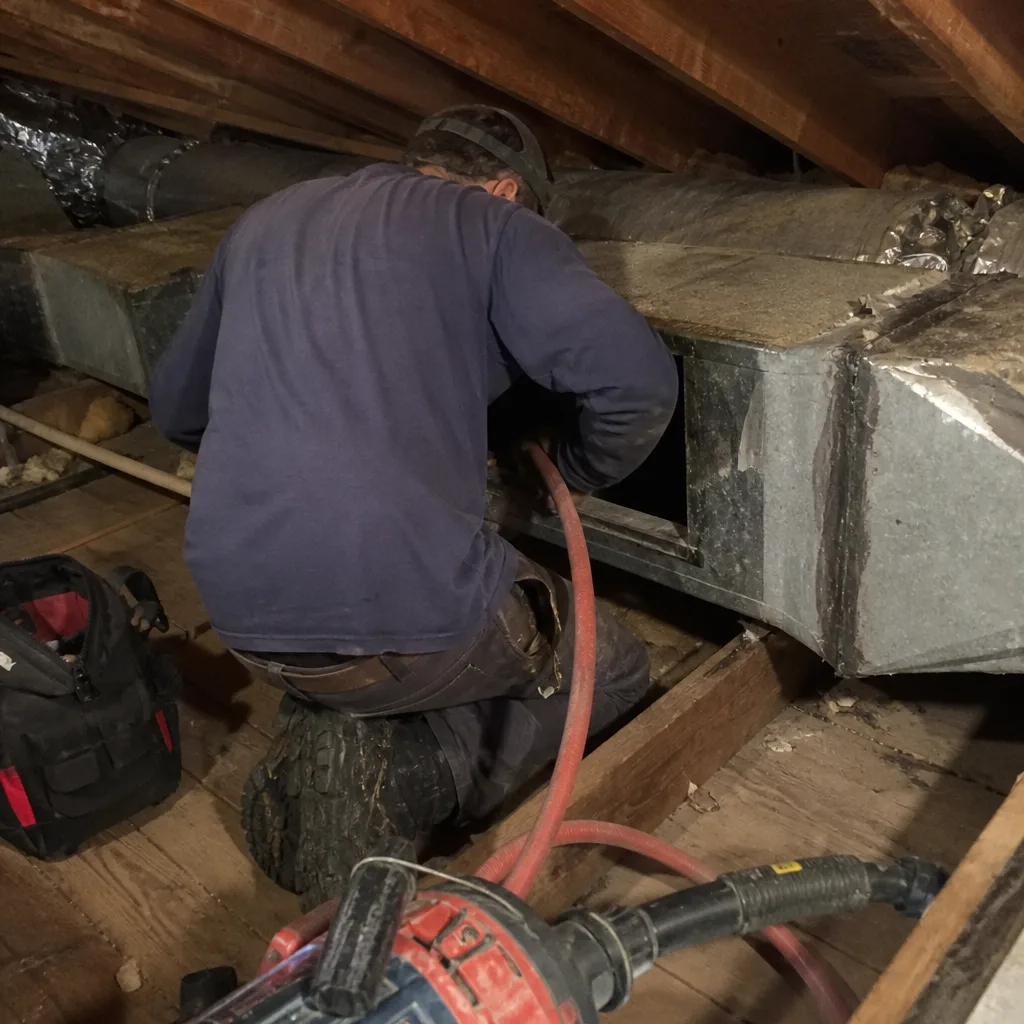 Before
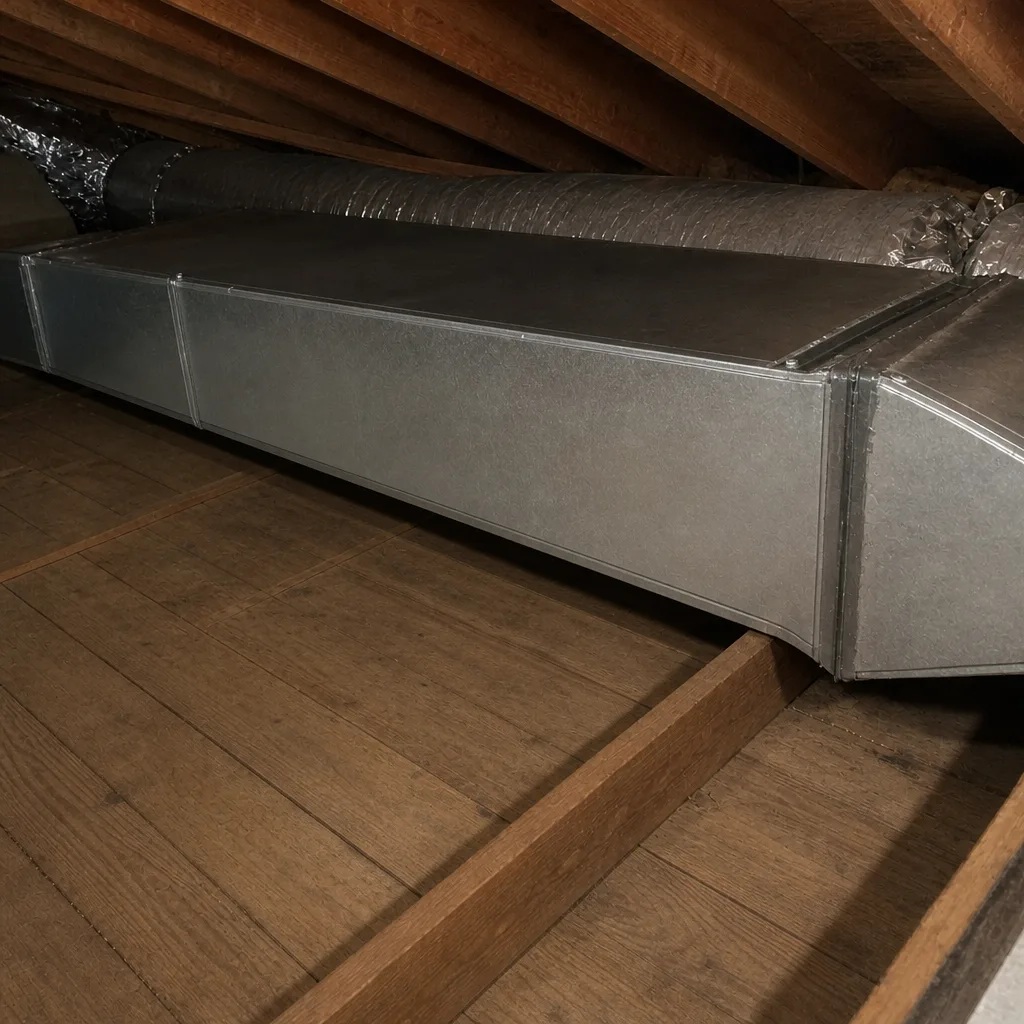 After
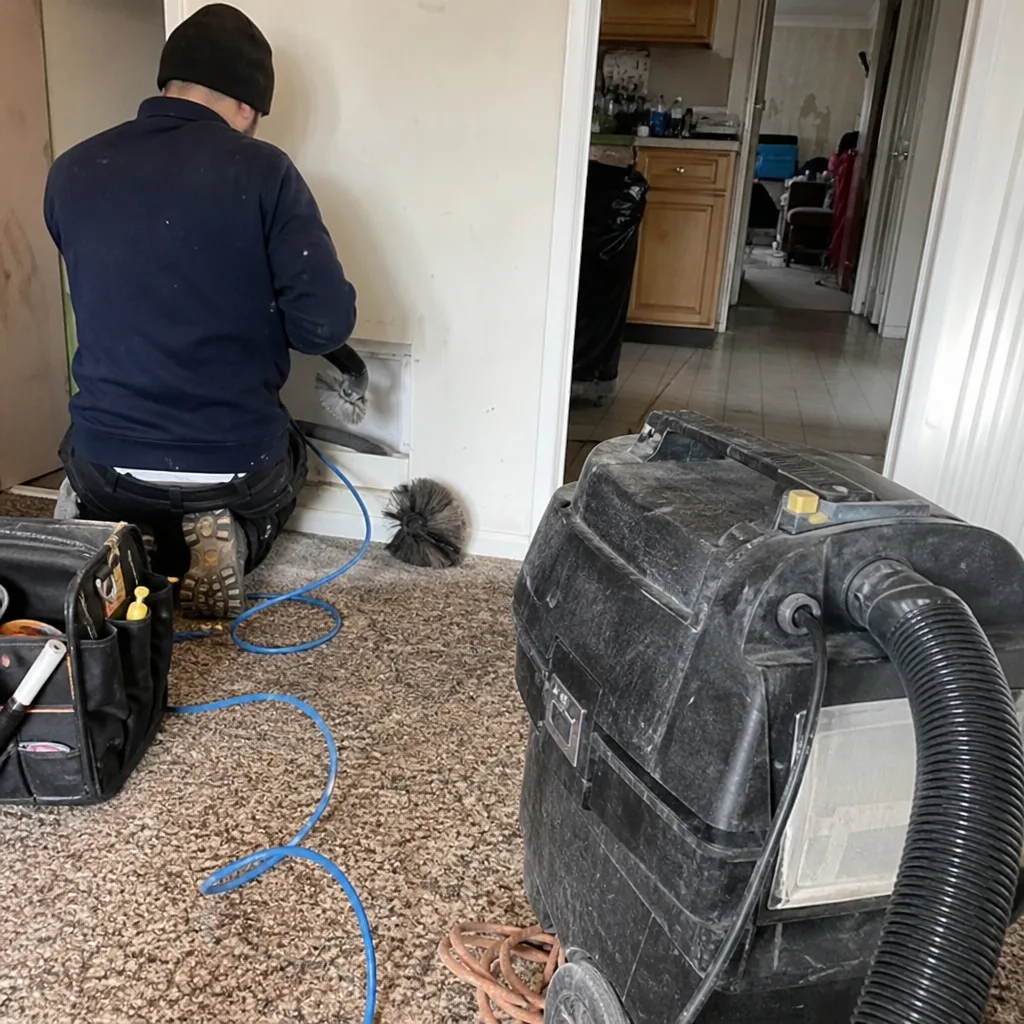 Before
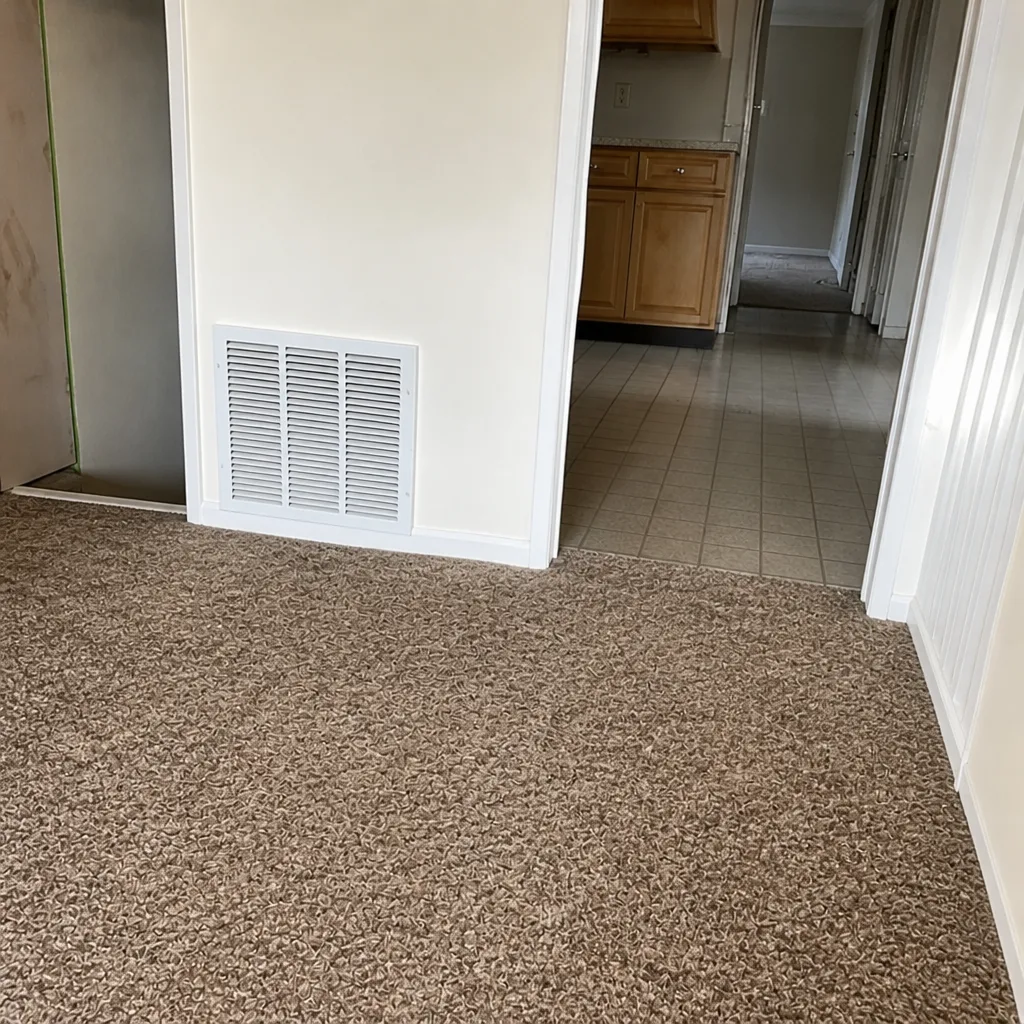 After
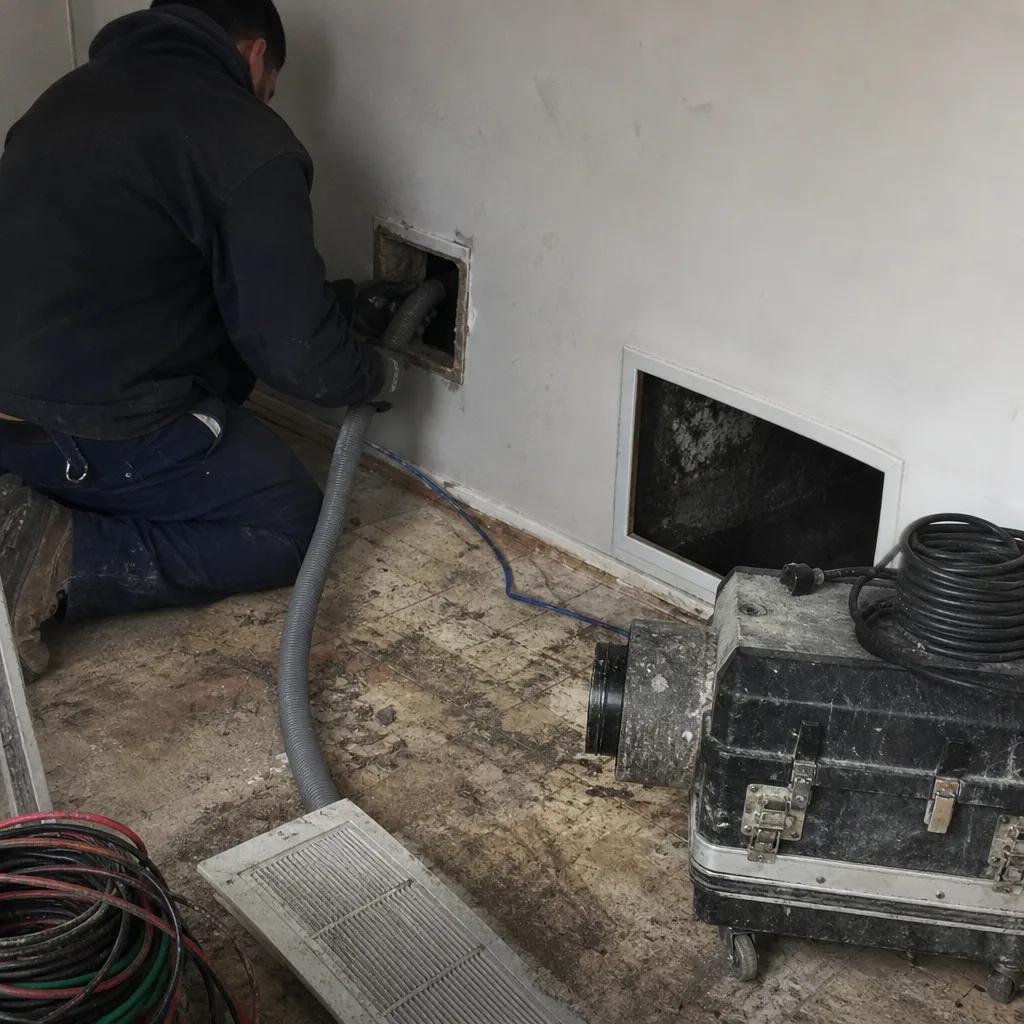 Before
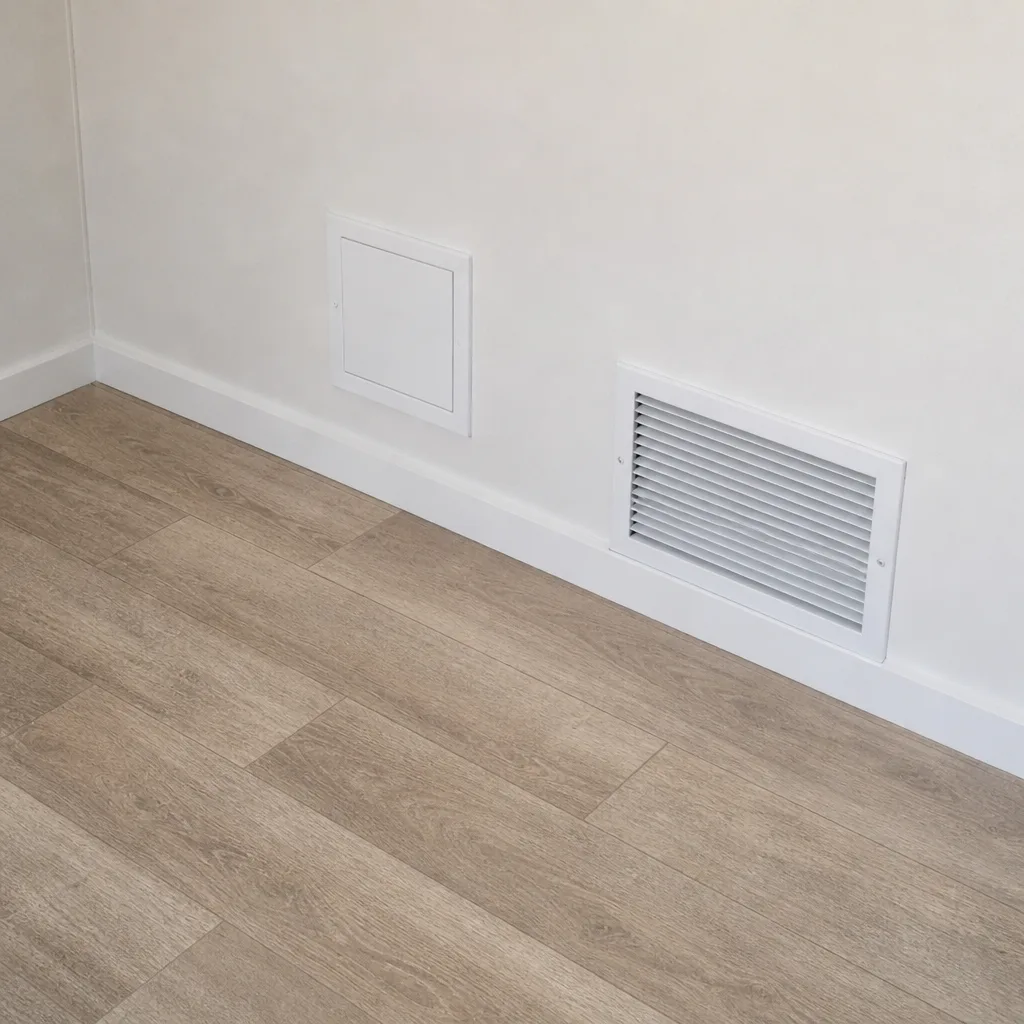 After
When to Call a Professional
Call a professional if any of the following is true: you smell musty air that comes back within days of cleaning, you found a wet drain pan or dark buildup at the air handler, you see visible dust drifting from registers when the system starts, or you’ve confirmed separation or crushed runs you can’t reach safely. Also call if your ducts are on a slab or in an attic you can’t safely access for a visual inspection. Electrical components inside an air handler and ductwork in a hot attic both carry real hazards; the assessment is worth the call. Air Duct Cleaning Mariners Harbor offers free estimates in Mariners Harbor – call (844) 625-7002. We answer 24/7, with fast dispatch from 7am to 7pm, Sunday through Friday. The estimate is free, and the price is set per job by the written estimate.
Frequently Asked Questions
It depends on the size and layout of the system – how many accessible trunk runs, how much liner damage there is, and whether air handler work is included. The written estimate sets the final price, and there’s no per-vent pricing to inflate. Call (844) 625-7002 for an exact quote – estimates are free.
Cheap quotes are usually a shop-vac short-cut with no negative pressure and no on-site filtration, which can push dislodged dust back into the room. A real cleaning job uses a professional extraction system, and the price reflects that equipment. The honest question to ask before booking is what tooling the crew will use.
Ask for before-and-after photos of your own ducts at the same angle, and check the trunk-line access panels yourself with a flashlight and mirror. Dust stripes at reach distance and untouched far sides are the quickest tell of a partial job. Call (844) 625-7002 for an estimate – estimates are free.
For most homes, a thorough cleaning every few years is reasonable, and more often only if you have pets with heavy shedding, ongoing renovations, or a visible dust problem. If your system has a moisture issue, the schedule doesn’t matter until that’s resolved. Call (844) 625-7002 – estimates are free.
Almost certainly nothing in the cleaning – the smell is moisture at the air handler, the drain pan, or a soaked section of duct board, and no vacuum fixes that. The fix is HVAC cleaning plus correcting the moisture source, then sanitizing. Call (844) 625-7002 – estimates are free.
Yes – cleaning, repair, sealing, and sanitizing can all happen in one appointment with one crew, so you don’t have to coordinate several contractors around the same problem. That’s especially useful for property managers overseeing multiple units in Mariners Harbor. Call (844) 625-7002 – estimates are free.
The Bottom Line
The problem most duct complaints in Mariners Harbor actually trace back to is mechanical – separation, liner failure, failed dampers, or moisture at the air handler – not dust. Get the diagnosis right and the fix follows: dirty ducts need professional extraction with proper negative pressure; leaking ducts need repair and sealing; musty air needs the moisture source corrected before anything else. Verify any job with your own flashlight-and-mirror check at trunk-line access points. If you’d rather have a trained eye on it, call (844) 625-7002 for a free estimate. We answer 24/7, with fast dispatch from 7am to 7pm, Sunday through Friday. Our technicians have up to 8 years of experience, and every visit is quoted as one flat price per system, agreed before work starts, with before-and-after photos of your own ducts so you can see the difference.
Written by the team at Air Duct Cleaning Mariners Harbor.